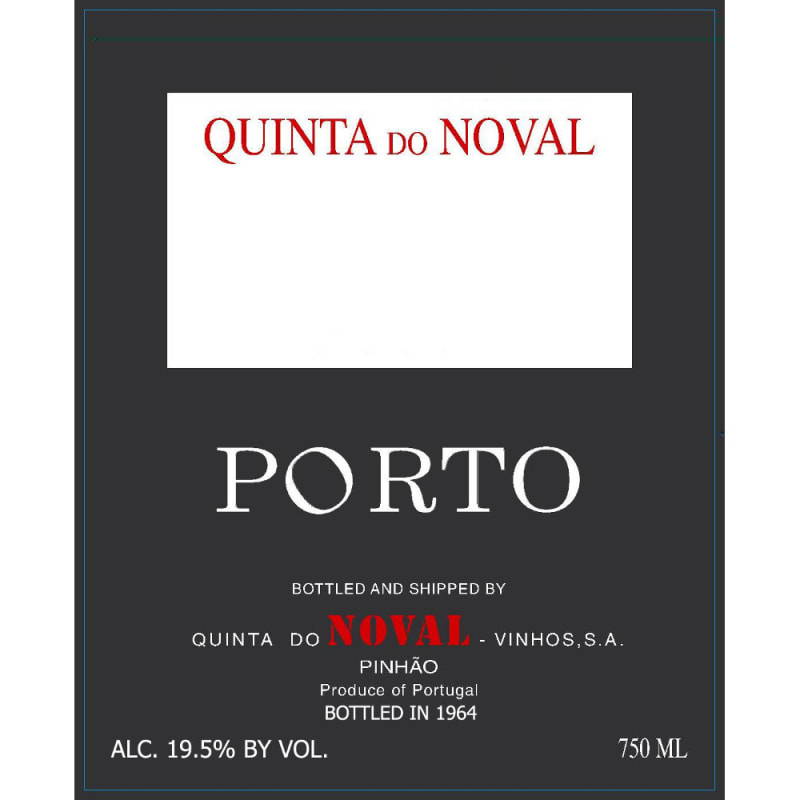

Winemaker Notes
Professional Ratings
-
Wine Spectator
What a nose. Ripe fruit, with chocolate, blackberries and raisins. Full-bodied and medium sweet, with velvety tannins. Finish goes on and on. Layered and wonderful. Best after 2014.
-
Robert Parker's Wine Advocate
The Quinta do Noval Vintage 2003 has a gorgeous raisin, fig and clove-scented bouquet with more freshness than the whole of Pomerol combined. As Christian Seely quipped, "the vines are accustomed to the heat". It unfolds in the glass, gaining vigor, if not complexity, with touches of leather, California raisin and dried flower emerging. The palate is medium-bodied with very supple tannins, dishing out lovely ripe and intense blackberry, leather, sage, tobacco and white- pepper notes. In this vintage, the Noval Vintage does not possess the breeding or the bravura of the Nacional and yet it remains a very impressive Port – a success for the vintage. Drink 2016-2030+.
-
Wine Enthusiast
A pure fruited wine, with an unusual touch of toast and new wood. The fruit is well structured with flavors of thyme and rosemary. This is a smooth, polished Port, which is definitely in a modern style of winemaking. Imported by William Grant USA.


Port is a sweet, fortified wine with numerous styles: Ruby, Tawny, Vintage, Late Bottled Vintage (LBV), White, Colheita, and a few unusual others. It is blended from from the most important red grapes of the Douro Valley, based primarily on Touriga Nacional with over 80 other varieties approved for use. Most Ports are best served slightly chilled at around 55-65°F. To learn more, see our full Port Wine Guide

The home of Port—perhaps the most internationally acclaimed beverage—the Douro region of Portugal is one of the world’s oldest delimited wine regions, established in 1756. The vineyards of the Douro, set on the slopes surrounding the Douro River (known as the Duero in Spain), are incredibly steep, necessitating the use of terracing and thus, manual vineyard management as well as harvesting. The Douro's best sites, rare outcroppings of Cambrian schist, are reserved for vineyards that yield high quality Port.
While more than 100 indigenous varieties are approved for wine production in the Douro, there are five primary grapes that make up most Port and the region's excellent, though less known, red table wines. Touriga Nacional is the finest of these, prized for its deep color, tannins and floral aromatics. Tinta Roriz (Spain's Tempranillo) adds bright acidity and red fruit flavors. Touriga Franca shows great persistence of fruit and Tinta Barroca helps round out the blend with its supple texture. Tinta Cão, a fine but low-yielding variety, is now rarely planted but still highly valued for its ability to produce excellent, complex wines.
White wines, generally crisp, mineral-driven blends of Arinto, Viosinho, Gouveio, Malvasia Fina and an assortment of other rare but local varieties, are produced in small quantities but worth noting.
With hot summers and cool, wet winters, the Duoro has a maritime climate.