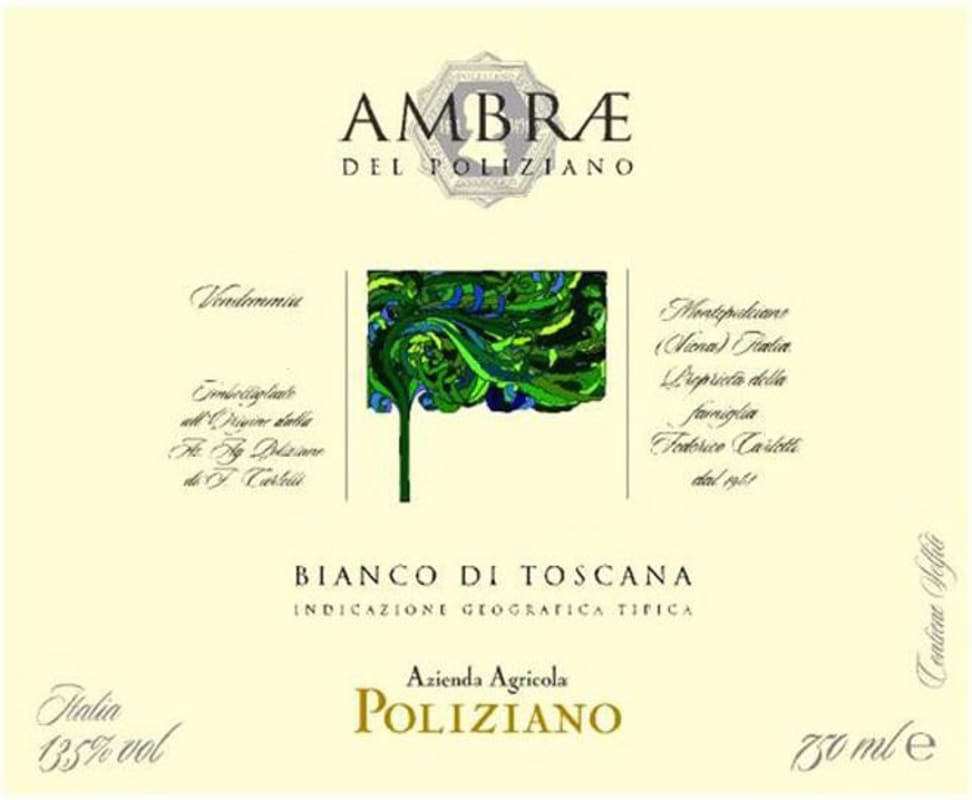

Winemaker Notes


Poliziano is located on the slopes below Montepulciano near the village of Gracciano. On these ridges, at the best altitudes and positions, are the vineyards of Vino Nobile di Montepulciano. The Poliziano Estate was founded in 1961 when Federico Carletti's father, Dino, purchased 55 acres. Today it consists of over 500 acres.
After taking his degree in agriculture, Federico Carletti worked in northern Italy. In 1980 he returned to Tuscany and began working full time on his father's estate. In the past two decades, Federico has created some of the finest wines in this top quality wine-producing area. Federico chose the name "Poliziano" because he loved the work of a renowned native poet, Angelo Ambrogini. Angelo was known as Il Poliziano, because he came from Montepulciano. Angelo's portrait hangs in the tasting room in the center of the estate. Some of Poliziano's wines, such as Le Stanze, were named after the poet.
Federico thinks of himself "as a farmer", because he is "convinced that fine wines originate in the vineyard. Selected clones, planting layouts, rootstock, pruning methods and training systems are chosen with the sole object of ensuring the quality of the grapes. This is the starting point for my wines: they are made only from grapes grown on the estate, respecting their original vintage and the typicality of the area they come from.”
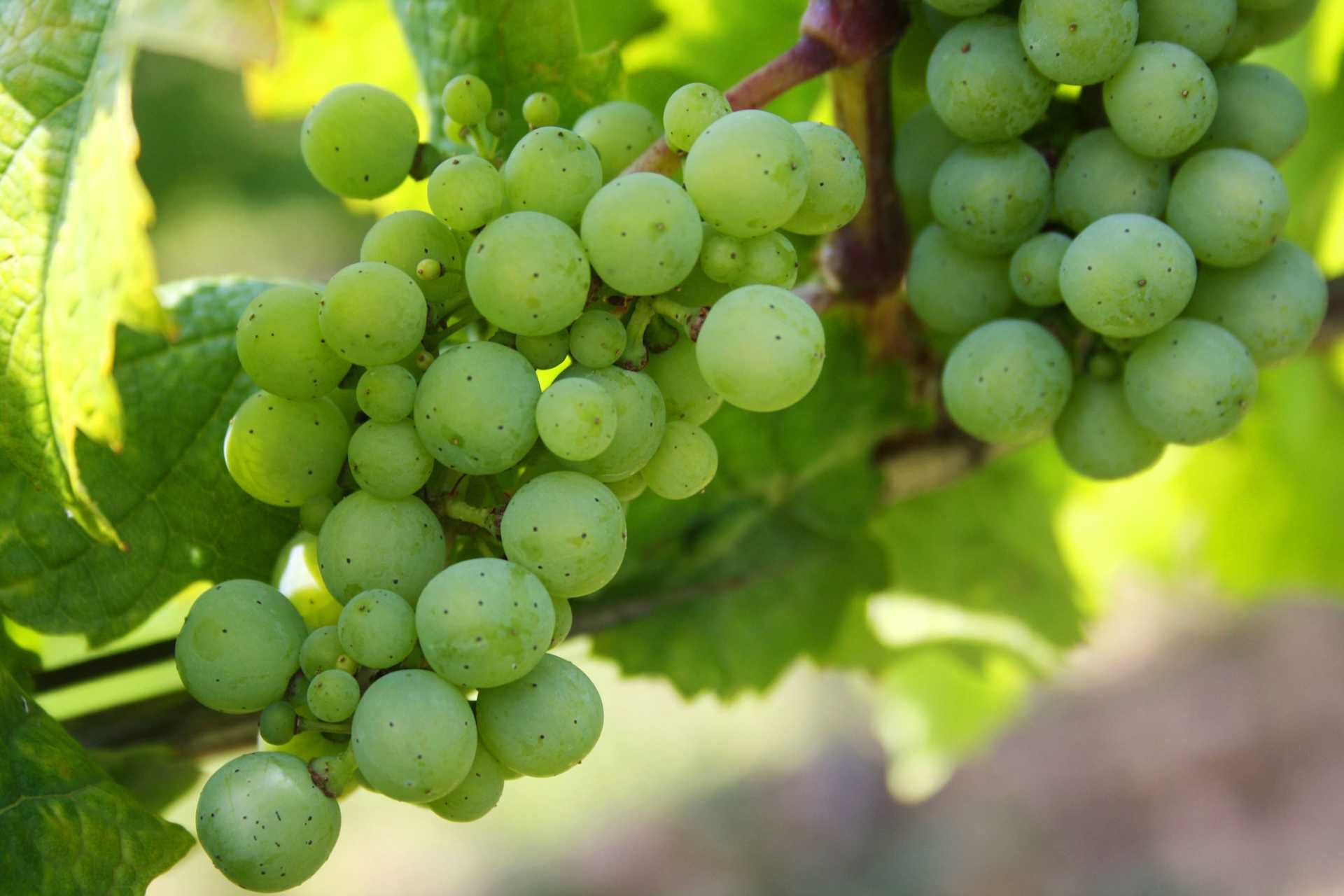
With hundreds of white grape varieties to choose from, winemakers have the freedom to create a virtually endless assortment of blended white wines. In many European regions, strict laws are in place determining the set of varieties that may be used in white wine blends, but in the New World, experimentation is permitted and encouraged. Blending can be utilized to enhance balance or create complexity, lending different layers of flavors and aromas. For example, a variety that creates a soft and full-bodied white wine blend, like Chardonnay, would do well combined with one that is more fragrant and naturally high in acidity. Sometimes small amounts of a particular variety are added to boost color or aromatics. Blending can take place before or after fermentation, with the latter, more popular option giving more control to the winemaker over the final qualities of the wine.

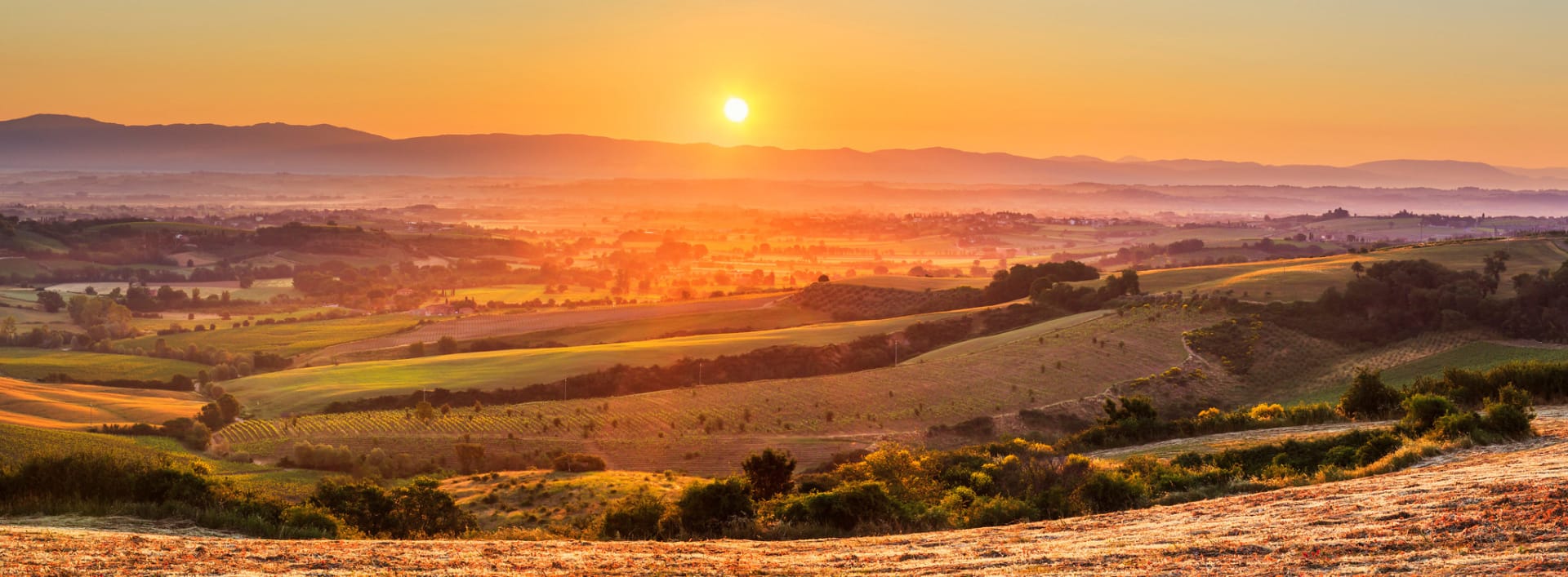
One of the most iconic Italian regions for wine, scenery and history, Tuscany is the world’s most important outpost for the Sangiovese grape. Tuscan wine ranges in style from fruity and simple to complex and age-worthy, Sangiovese makes up a significant percentage of plantings here, with the white Trebbiano Toscano coming in second.
Within Tuscany, many esteemed wines have their own respective sub-zones, including Chianti, Brunello di Montalcino and Vino Nobile di Montepulciano. The climate is Mediterranean and the topography consists mostly of picturesque rolling hills, scattered with vineyards.
Sangiovese at its simplest produces straightforward pizza-friendly Tuscan wines with bright and juicy red fruit, but at its best it shows remarkable complexity and ageability. Top-quality Sangiovese-based wines can be expressive of a range of characteristics such as sour cherry, balsamic, dried herbs, leather, fresh earth, dried flowers, anise and tobacco. Brunello, an exceptionally bold Tuscan wine, expresses well the particularities of vintage variations and is thus popular among collectors. Chianti is associated with tangy and food-friendly dry wines at various price points. A more recent phenomenon as of the 1970s is the “Super Tuscan”—a red wine made from international grape varieties like Cabernet Sauvignon, Merlot, Cabernet Franc and Syrah, with or without Sangiovese. These are common in Tuscany’s coastal regions like Bolgheri, Val di Cornia, Carmignano and the island of Elba.