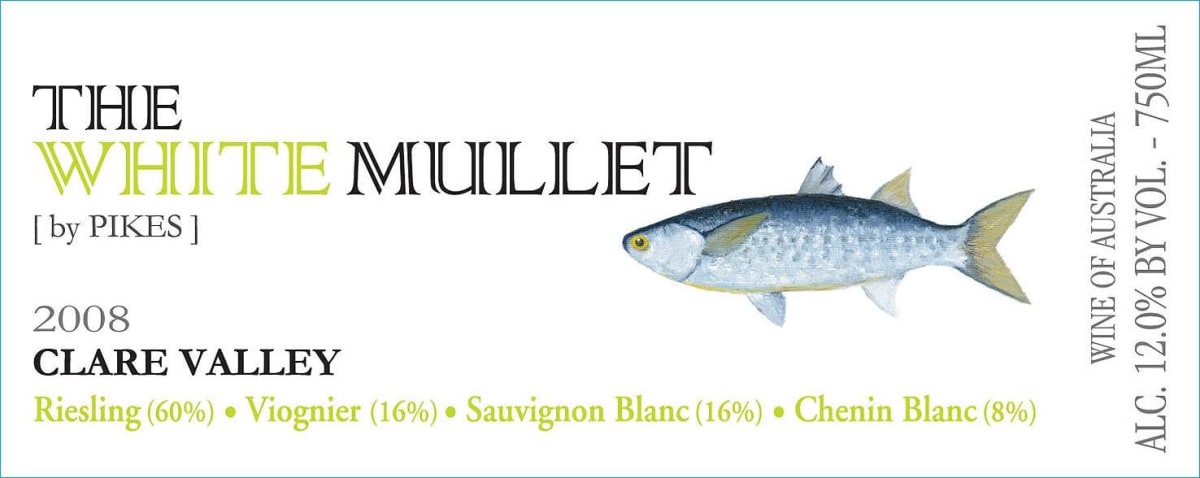

Winemaker Notes

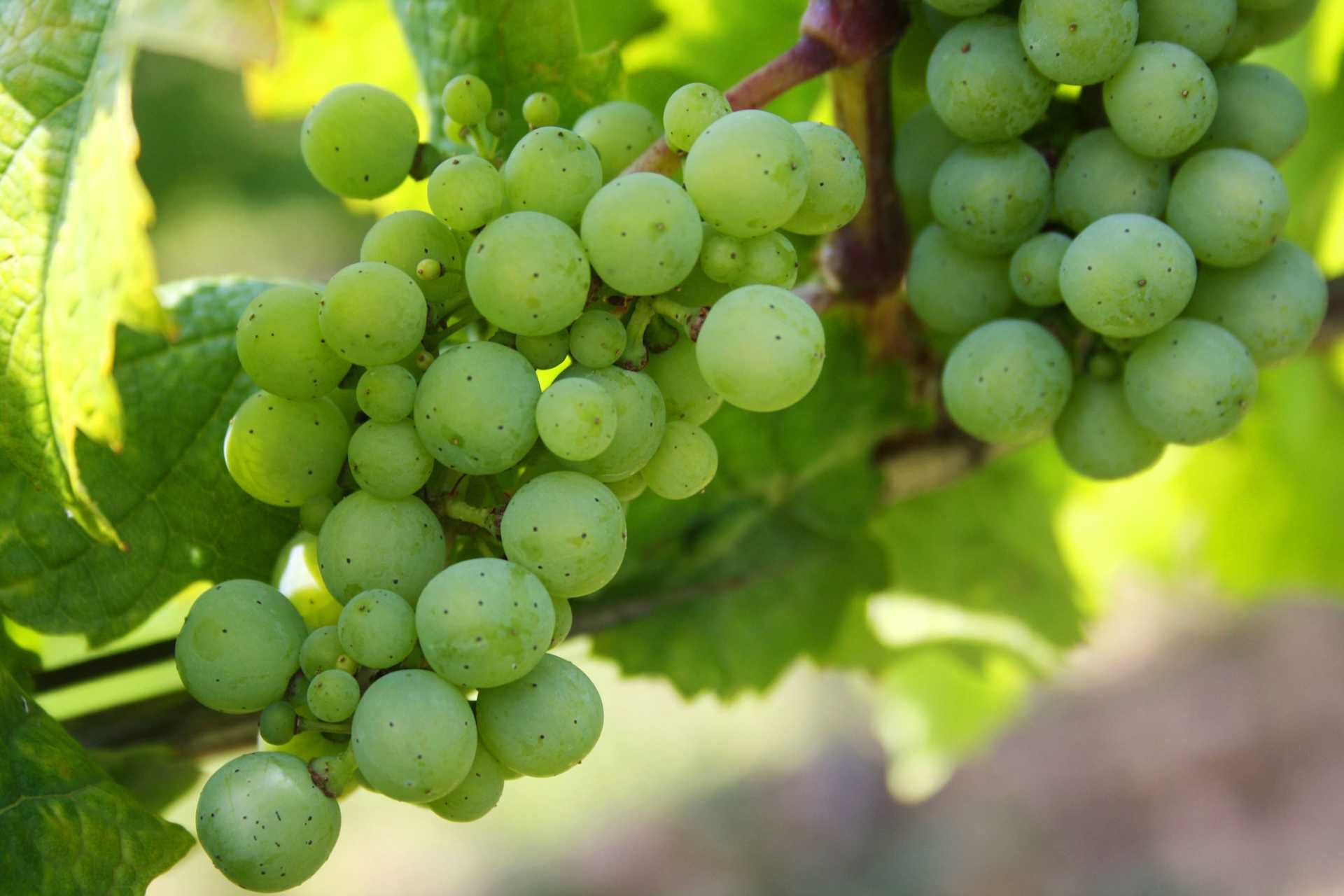
With hundreds of white grape varieties to choose from, winemakers have the freedom to create a virtually endless assortment of blended white wines. In many European regions, strict laws are in place determining the set of varieties that may be used in white wine blends, but in the New World, experimentation is permitted and encouraged. Blending can be utilized to enhance balance or create complexity, lending different layers of flavors and aromas. For example, a variety that creates a soft and full-bodied white wine blend, like Chardonnay, would do well combined with one that is more fragrant and naturally high in acidity. Sometimes small amounts of a particular variety are added to boost color or aromatics. Blending can take place before or after fermentation, with the latter, more popular option giving more control to the winemaker over the final qualities of the wine.
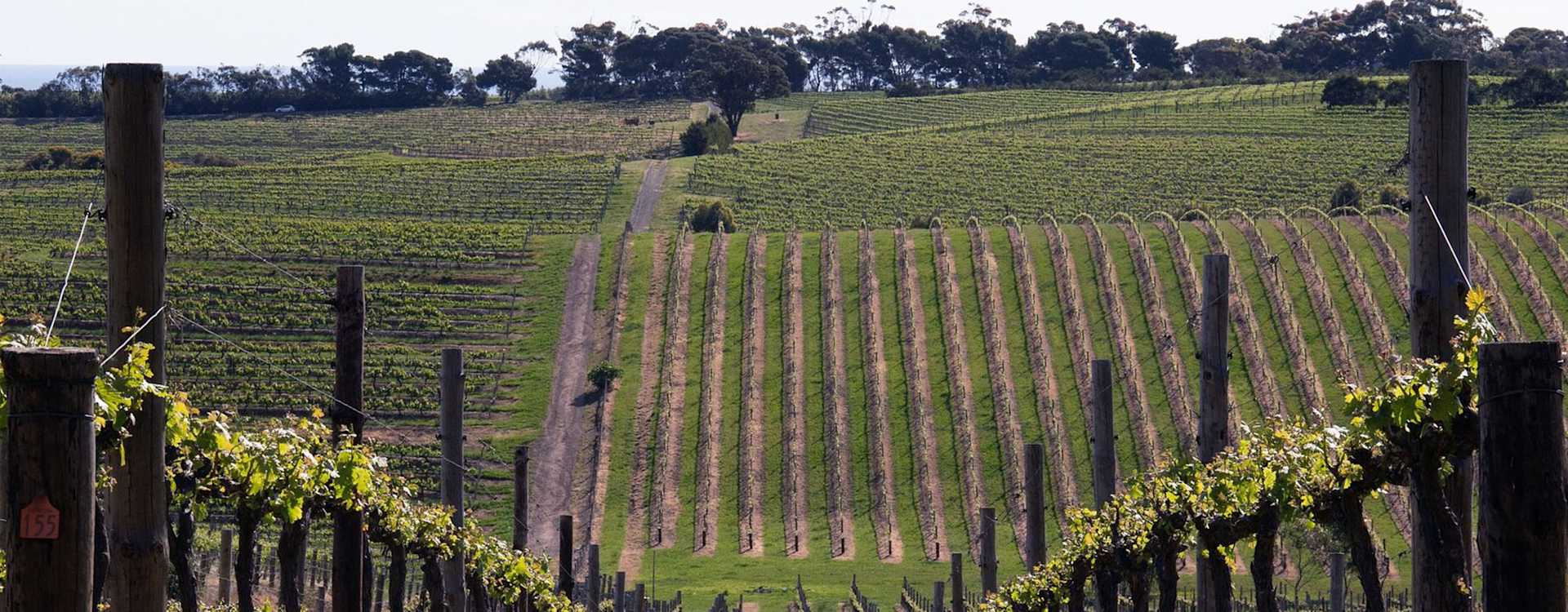
The Clare Valley is actually a series of narrow north to south valleys, each with a different soil type and slightly different weather patterns along their stretch. In the southern heartland between Watervale and Auburn, there is mainly a crumbled, red clay loam soil called terra rossa and cool breezes come in from Gulf St. Vincent. A few miles north, in Polish Hill, is soft, red loam over clay; westerlies blowing in from the Spencer Gulf influece this area's climate.
The differences in soil, elevation, degree of slope and weather enable the region to produce some of Australia’s finest, aromatic, spicy and lime-pithy Rieslings, as well as excellent Shiraz, Cabernet Sauvignon and Malbec with ripe plummy fruit, good acid and big structure.
Clare Valley is an isolated farming country with a continental climate known for its warm and sunny days, followed by cool nights—perfect for wine grapes’ development of sugar and phenolic ripeness in conjunction with notable acidity levels.