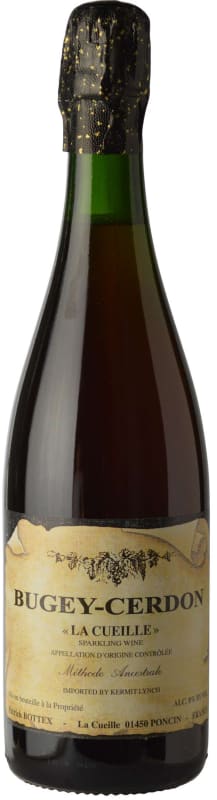


Winemaker Notes
Enologically speaking, this is a blend of Poulsard and Gamay from the Cerdon cru of the Bugey, a pocket of hilly natural beauty situated roughly between Savoie, the Jura, and the city of Lyon. In accordance with the so-called “ancestral method,” the wine has been bottled partway through fermentation, refermented in bottle until reaching the desired sweetness and bubbliness, then racked off its lees and recorked to avoid further fermentation (and exploding glass).
Professional Ratings
-
Wine & Spirits
This is gamay and poulsard grown in limestone, fermented without additions and bottled before it’s finished, as a pétillant naturel. If you haven’t tasted Bugey-Cerdon, it may come as a surprise, with sweet notes of candied rose petals, fresh lingonberries, a little greenness and some pink grapefruit acidity. Asked what she might serve with this wine, Tasting Director Sarah Looper suggested pouring it as an aperitif, “or with Vietnamese food, Thai food or light nut desserts like hazelnut cake or a savory strawberry tart”.

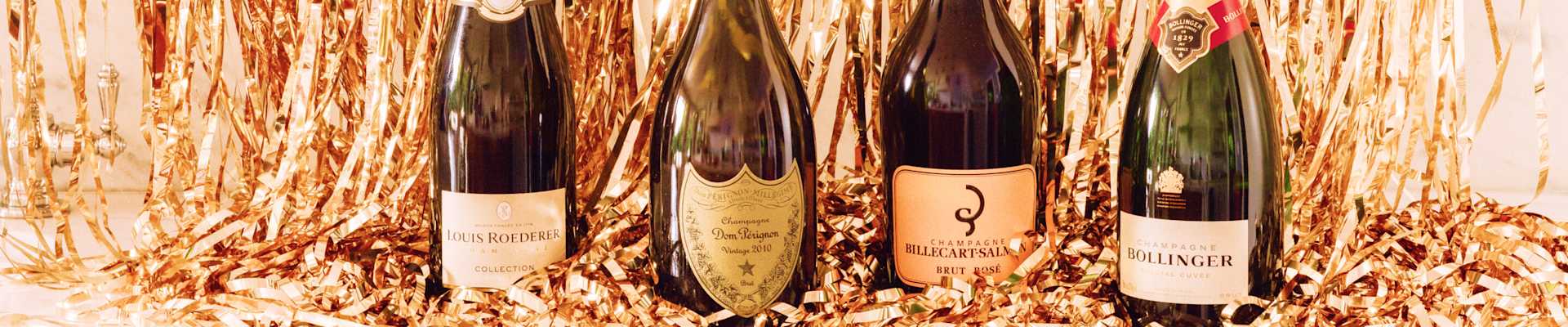
Appreciated worldwide as an iconic token of celebration and luxury, sparkling wines from France come in more forms than just Champagne. In order to bear the label, ‘Champagne’, a sparkling wine must originate from the northeastern region of France—called Champagne—and adhere to strict quality standards. Champagne’s chalky, limestone and soils and cold, continental climate create grapes with ample acidity and concentration. Chardonnay, Pinot Noir, and Pinot Meunier are permitted for use in Champagne.
French sparkling wines made outside of Champagne take the name Crémant. Crémant de Bourgogne, Alsace, Loire and Limoux are the best known. These are made using the same technique as that of Champagne, called méthode traditionelle, but typically are composed of the regional grape variety. Usually dry to off-dry with bright acidity, these are often characterized by qualities of lemon, peach, marzipan and white flowers.