
Winemaker Notes
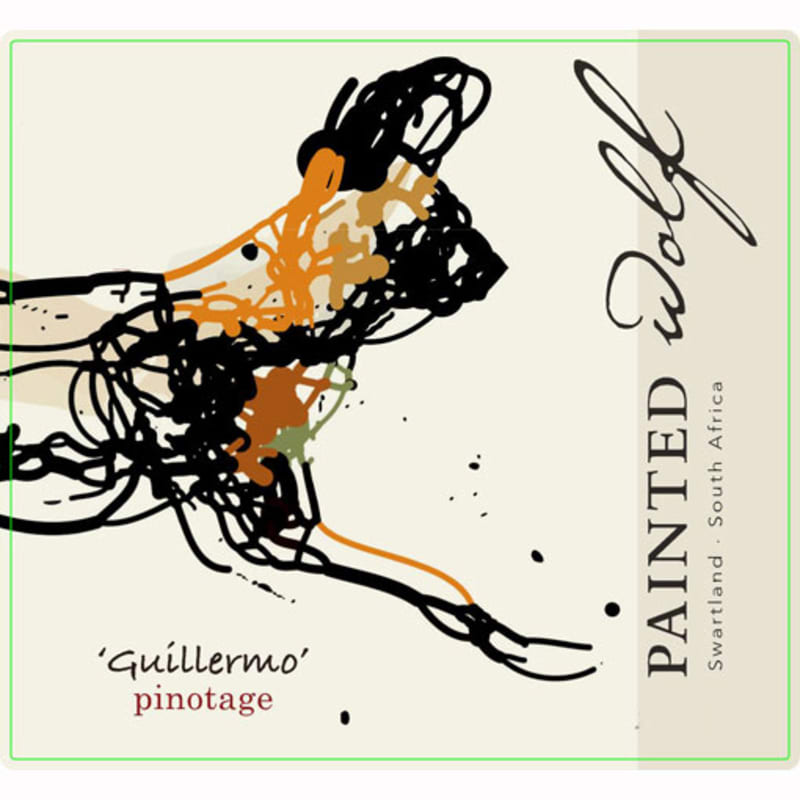
Guillermo Pinotage is a great partner spicy savory Mexican and south western dishes, such as carne asada, birria, bbq Texas hot links or brisket. It is also delicious with Indian dishes such as Lamb Rogan Josh or Biriyani.
Professional Ratings
-
Wine Enthusiast
Aromas of dark forest berry, smoke, cigar-box spice and tobacco leaf immediately waft from the glass of this forward and robust Pinotage. The wine’s boldness continues to shine on the full palate, loaded with gripping tannins and layers of blackberry, boysenberry, roasted cocoa nib, pepper and toasted oak flavors. Drinkable now, but should benefit from some time in the cellar; try after 2015. Editors' Choice.
-
Robert Parker's Wine Advocate
The 2010 Guillermo Pinotage from Swartland is blended with 10% Merlot and 4% Grenache. It shows impressive purity on the nose with scents of macerated dark cherries, wild strawberry and raspberry. The oak is beautifully integrated. The palate is medium-bodied with grippy tannins. It has very impressive focus, a Pinotage a little aloof and masculine, but with style and class.


South Africa’s signature grape, Pinotage is a distinctively earthy and rustic variety. In 1924 viticulturists crossed finicky Pinot Noir and productive, heat-tolerant Cinsault, and created a variety both darker and bolder than either of its parents! Today it is popular in South Africa both as a single varietal wine and in Cape blends. Somm Secret—The name “Pinotage” is a subtle portmanteau. The Pinot part is obvious, but the second half is a bit confusing. In the early 1900s, Cinsault was known in South Africa as “Hermitage”—hence Pinotage.

With an important wine renaissance in full swing, impressive red and white bargains abound in South Africa. The country has a particularly long and rich history with winemaking, especially considering its status as part of the “New World.” In the mid-17th century, the lusciously sweet dessert wines of Constantia were highly prized by the European aristocracy. Since then, the South African wine industry has experienced some setbacks due to the phylloxera infestation of the late 1800s and political difficulties throughout the following century.
Today, however, South Africa is increasingly responsible for high-demand, high-quality wines—a blessing to put the country back on the international wine map. Wine production is mainly situated around Cape Town, where the climate is generally warm to hot. But the Benguela Current from Antarctica provides brisk ocean breezes necessary for steady ripening of grapes. Similarly, cooler, high-elevation vineyard sites throughout South Africa offer similar, favorable growing conditions.
South Africa’s wine zones are divided into region, then smaller districts and finally wards, but the country’s wine styles are differentiated more by grape variety than by region. Pinotage, a cross between Pinot Noir and Cinsault, is the country’s “signature” grape, responsible for red-fruit-driven, spicy, earthy reds. When Pinotage is blended with other red varieties, like Cabernet Sauvignon, Merlot, Syrah or Pinot Noir (all commonly vinified alone as well), it is often labeled as a “Cape Blend.” Chenin Blanc (locally known as “Steen”) dominates white wine production, with Chardonnay and Sauvignon Blanc following close behind.