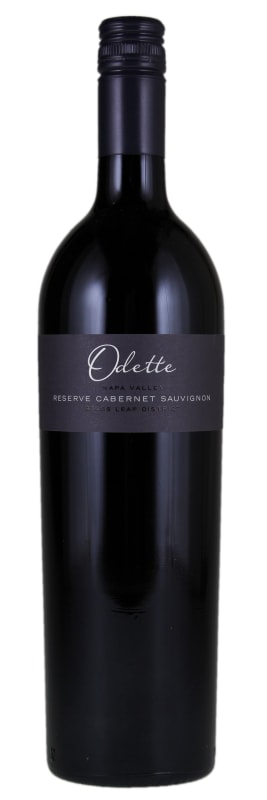


Winemaker Notes
The 2016 Odette Reserve Cabernet Sauvignon, Stags Leap reveals black currants, black cherries, blueberries, crème de cassis, anise, incense, lavender and loads of graphite. Full-bodied, layered, multi-dimensional, yet seamless in nature, it carries remarkable freshness and purity, all sewn into one beautiful expression of Cabernet Sauvignon. The tannins are well integrated and extremely fine grained, adding depth, structure and length with grace.
Professional Ratings
-
Robert Parker's Wine Advocate
The 100% Cabernet Sauvignon 2016 Cabernet Sauvignon Reserve is deep purple-black in color and simply sings of black cherry compote, blackcurrant cordial, lilacs, star anise and unsmoked cigars with underlying notions of cedar chest, eucalyptus, mocha and black truffles. Full-bodied, opulently fruited and strutting amazing freshness, the black fruit and earthy layers have seamless freshness and red fruit accents sewn into the multifaceted palate with a solid, fine-grained frame and epic persistence. The perfect poise here is remarkable.
-
Jeb Dunnuck
Just about pure perfection in a glass, the 2016 Cabernet Sauvignon Reserve is even more concentrated, with a saturated purple color, huge crème de cassis, black cherry and blueberry fruit, notes of spice box, cedar, and graphite, building tannins, and a layered, multi-dimensional texture that develops beautifully with time in the glass. It's a powerhouse and has a decadent, layered style as well as an awesome finish, yet all of this is paired with incredible purity of fruit, and it just glides across the palate with no sensation of heaviness. It's a brilliant, profound wine that's going to keep for 3-4 decades.
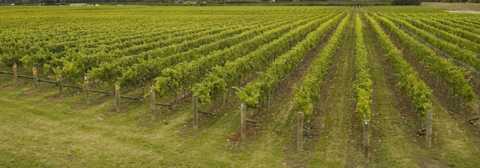
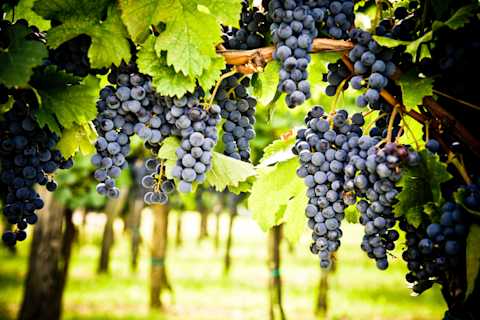
A noble variety bestowed with both power and concentration, Cabernet Sauvignon enjoys success all over the globe, its best examples showing potential to age beautifully for decades. Cabernet Sauvignon flourishes in Bordeaux's Medoc where it is often blended with Merlot and smaller amounts of some combination of Cabernet Franc, Malbecand Petit Verdot. In the Napa Valley, ‘Cab’ is responsible for some of the world’s most prestigious, age-worthy and sought-after “cult” wines. Somm Secret—DNA profiling in 1997 revealed that Cabernet Sauvignon was born from a spontaneous crossing of Cabernet Franc and Sauvignon Blanc in 17th century southwest France.
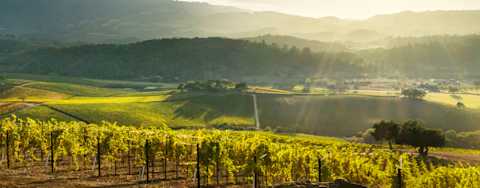
Legend has it that quick and nimble stags would escape the indigenous hunters of southern Napa Valley through the landmark palisades that sit just northeast of the current city of Napa. As a result, the area was given the name, Stags Leap. While its grape-growing history dates back to the mid-1800s, winemaking didn’t really take off until the mid-1970s after a small but pivotal blind tasting called the Judgement of Paris.
When a 1973 Stag’s Leap Wine Cellars Cabernet Sauvignon won first place against its high-profile Bordeaux contenders, like Chateau Mouton Rothschild and Chateau Haut-Brion, international attention to the Stags Leap District of Napa Valley escalated rapidly.
The vineyards in this one-of-a-kind wine growing region receive hot afternoon air reflecting off of its eastern palisade formation. In combination with the cool evening breezes from the San Pablo Bay just south, this becomes an optimal environment for grape growing. While many varieties could thrive here, Cabernet Sauvignon and Merlot dominate with virtually no others, save for a spot or two of Syrah.
Stags Leap soils—eroded volcanic and old river sediments—encourage well established root systems and result in complex, terroir-driven wines. Stags Leap District reds have a distinct sour cherry and black berry character with baking spice and dried earth aromas, and supple tannins.