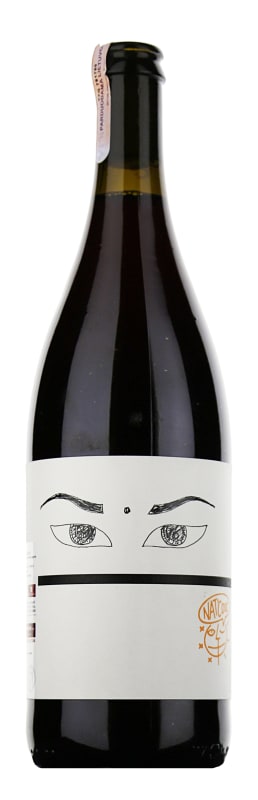


Winemaker Notes
The 2018 vintage of this wine is light in colour and offers a frank and expressive aromatic profile full of freshness and floral notes. It showcases the character of the Baga grape variety and Bairrada region superbly, with beautiful aromas of strawberries, dried roses and some spice. These notes are embedded in a minerality reminiscent of the vines’ calcareous soils and unmistakable Atlantic climate. Fresh, direct and very seductive, this wine is light on its feet and so easy to drink, it will entice you to have another glass. It makes a very versatile food wine – just add a good meal and good friends! Serve chilled. Pure pleasure! Naturally cool!
Professional Ratings
-
Robert Parker's Wine Advocate
Under the Nat'Cool philosophy and rules, as developed by Niepoort, the idea is to produce a light and fresh, easy-to-drink wine with moderate alcohol and extraction. The 2018 Smileline Nat'Cool, produced with Bonarda grapes from an old parral in Ugarteche in the classical zone of Mendoza, follows those rules. The grapes were picked early and the bunches were foot trodden, then the wine matured in well-seasoned, neutral barrels and was bottled after a few months, in August 2018. It's delicious, juicy and spicy, really gulpable.


This dark-skinned, Portugese variety creates powerful red wines with great color, structure and finesse and is specially prominent in the Bairrada and Dão regions. Somm Secret—Because of its ample acidity and striking color, Baga also makes a great rosé; much of it from the Bairrada ends up in this style.

Best known for intense, impressive and age-worthy fortified wines, Portugal relies almost exclusively on its many indigenous grape varieties. Bordering Spain to its north and east, and the Atlantic Ocean on its west and south coasts, this is a land where tradition reigns supreme, due to its relative geographical and, for much of the 20th century, political isolation. A long and narrow but small country, Portugal claims considerable diversity in climate and wine styles, with milder weather in the north and significantly more rainfall near the coast.
While Port (named after its city of Oporto on the Atlantic Coast at the end of the Douro Valley), made Portugal famous, Portugal is also an excellent source of dry red and white Portuguese wines of various styles.
The Douro Valley produces full-bodied and concentrated dry red Portuguese wines made from the same set of grape varieties used for Port, which include Touriga Nacional, Tinta Roriz (Spain’s Tempranillo), Touriga Franca, Tinta Barroca and Tinto Cão, among a long list of others in minor proportions.
Other dry Portuguese wines include the tart, slightly effervescent Vinho Verde white wine, made in the north, and the bright, elegant reds and whites of the Dão as well as the bold, and fruit-driven reds and whites of the southern, Alentejo.
The nation’s other important fortified wine, Madeira, is produced on the eponymous island off the North African coast.