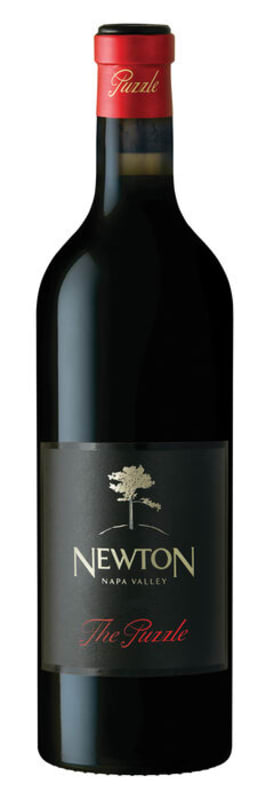


Winemaker Notes
Professional Ratings
-
Wine Enthusiast
Firmly structured and powerfully flavorful, this wine dominated by Cabernet Sauvignon needs time to shine fully. Handsome oak aromas lead to focused black currant and black cherry flavors topped with a creamy, nuanced mint and cinnamon flourish on the finish. Blended in are Cabernet Franc, Merlot, Petit Verdot and a dash of Grenache. Best from 2027–2040.
Cellar Selection -
Decanter
Production of this cuvée was dramatically reduced in 2020 because of the Glass Fire, so stock up on this 2019 while you can. Lavish toasty oak spices are joined by sweet black fruit, tobacco leaf and dried rose petals. Ample dark fruit flavours unfold alongside savoury black olive, liquorice and mocha. Rich mountain tannins are tamed by a lively acid backbone.
-
James Suckling
A medium-bodied red with plum, graphite and pine-cone character. Medium-bodied and creamy with medium, round tannins and a juicy finish. From organically grown grapes. Cabernet sauvignon with some cabernet franc, merlot and petit verdot. Delicious now.
-
Jeb Dunnuck
The 2019 Red Blend The Puzzle checks in as mostly Cabernet Sauvignon but includes 8% Cabernet Franc, 7% Merlot, and 1.5% each of Malbec and Petit Verdot. This vivid blue-hued 2019 has a great nose of both black and blue fruits as well as sappy green herbs and crushed stone. Almost austere on the palate, it’s medium to full-bodied, has firm tannins, good mid-palate depth, and outstanding length. I’d give bottles at least 3-4 years in the cellar.
-
Wine Spectator
Delivers a rather lush wave of steeped black cherry, plum and black currant flavors laced with a twinge of singed apple wood. The fruit-driven finish has a hint of savory for balance. Cabernet Sauvignon, Cabernet Franc, Merlot, Petit Verdot and Grenache. Drink now through 2031.
-
Robert Parker's Wine Advocate
A blend of 82% Cabernet Sauvignon, 8% Merlot, 7% Cabernet Franc, 1.5% Malbec and 1.5% Petit Verdot, Newton's 2019 The Puzzle saw less new oak than previous vintages (35% to 40%), but spent 18 months in barrel prior to bottling. In its first year incorporating a bit of Yountville and Mt. Veeder fruit, it's dry and cedary but with attractive cassis and black olive notes. It's medium to full-bodied, sturdy and tannic, clearly built to last but not that pleasurable or transparent right now. It does get better and more expressive with air, so perhaps it just needs a few years of cellaring.
Rating: 91+



Newton was founded in 1977 by English businessman Peter Newton and his Chinese wife Su Hua. Peter Newton was already renowned as a pioneer of winemaking in the Napa Valley, having founded the Sterling Winery near Calistoga in the 1960s. The Newtons transformed one square mile of rolling hillside in Spring Mountain into one of the Napa Valley’s most prestigious estates, whose wines have graced the official dinners of several US presidents.
The Newton estate encompasses 170 acres of prime Napa Valley terroir, distributed over four separate, wholly owned vineyards: Spring Mountain, Yountville, Mount Veeder and Carneros.
Newton is renowned for producing wines that are uniquely characterful expressions of varietals emblematic of the Napa Valley, notably Chardonnay and Cabernet Sauvignon. Working patiently with nature, we are committed to precision viticulture and winemaking techniques yielding wines that are acclaimed for their balance, harmony and full, abundant flavors.
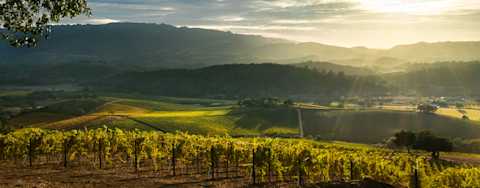
Undoubtedly proving its merit over and over, Napa Valley is a now a leading force in the world of prestigious red wine regions. Though Cabernet Sauvignon dominates Napa Valley, other red varieties certainly thrive here. Important but often overlooked include Merlot and other Bordeaux varieties well-regarded on their own as well as for their blending capacities. Very old vine Zinfandel represents an important historical stronghold for the region and Pinot noir is produced in the cooler southern parts, close to the San Pablo Bay.
Perfectly situated running north to south, the valley acts as a corridor, pulling cool, moist air up from the San Pablo Bay in the evenings during the hot days of the growing season, which leads to even and slow grape ripening. Furthermore the valley claims over 100 soil variations including layers of volcanic, gravel, sand and silt—a combination excellent for world-class red wine production.