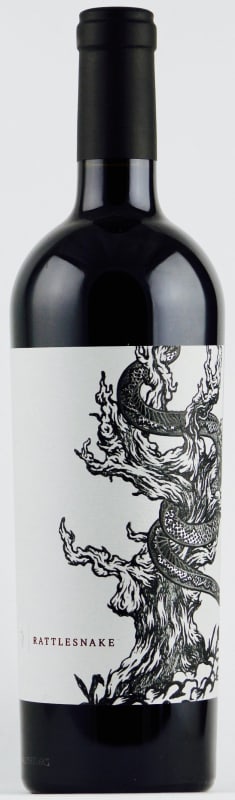


Winemaker Notes
Professional Ratings
-
Robert Parker's Wine Advocate
Take, for example, the 2014 Zinfandel Rattlesnake, a blend of 96% Zinfandel and 4% Petite Sirah with 85% from the Monte Rosso Vineyard and the balance from other Gallo vineyards. It is aged in all French oak, of which 23% is new. A whopper at 16% natural alcohol, the wine has classic Zinfandel characteristics of Provençal spices, roasted herbs, pepper and oodles of briary black raspberry and black cherry fruit. It cuts a big swath across the palate with loads of glycerin and an unctuous, thick, juicy quality that is provocative. The wine is rich, ripe and ideal for drinking over the next 7-8 years. 5,000+ cases were produced.
-
Wilfred Wong of Wine.com
Fully concentrated and ready for action, the extracted 2014 Mount Peak Rattlesnake Zinfandel shows abundant aromas of berry fruit, a full-bodied palate, and a long finish. Pair this with smoked lamb chops. (Tasted: September 12, 2017, San Francisco, CA)


Unapologetically bold, spice-driven and jammy, Zinfandel has secured its title as the darling of California vintners by adapting well to the state's diverse microclimates and landscapes. Born in Croatia, it later made its way to southern Italy where it was named Primitivo. Fortunately, the imperial nursery of Vienna catalogued specimens of the vine, and it later made its way to New England in 1829. Parading the true American spirit, Zinfandel found a new home in California during the Gold Rush of 1849. Somm Secret—California's ancient vines of Zinfandel are those that survived the neglect of Prohibition; today these vines produce the most concentrated, ethereal and complex examples.
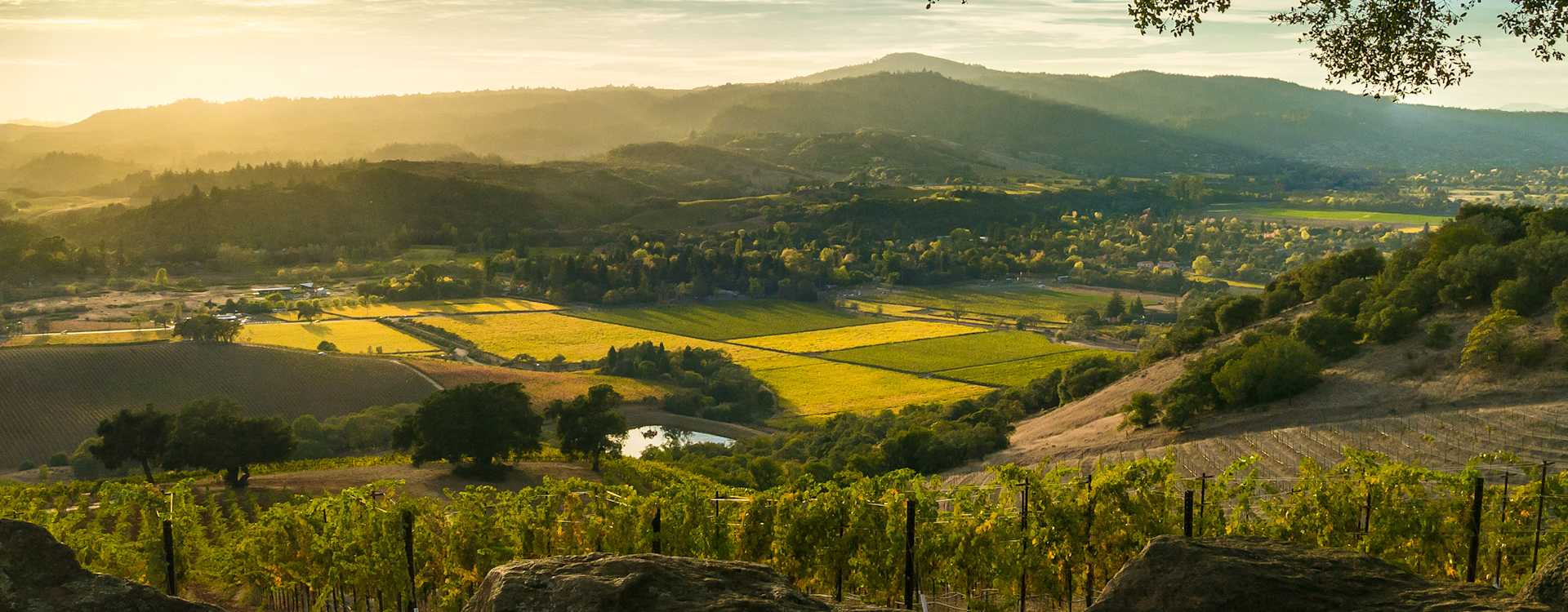
Home to a diverse array of smaller AVAs with varied microclimates and soil types, Sonoma County has something for every wine lover. Physically twice as large as Napa Valley, the region only produces about half the amount of wine but boasts both tremendous quality and variety. With its laid-back atmosphere and down-to-earth attitude, the wineries of Sonoma are appreciated by wine tourists for their friendliness and approachability. The entire county intends to become a 100% sustainable winegrowing region by 2019.
Sonoma County wines are produced with carefully selected grape varieties to reflect the best attributes of their sites—Dry Creek Valley’s consistent sunshine is ideal for Zinfandel, while the warm Alexander Valley is responsible for rich, voluptuous red wines like Cabernet Sauvignon. Chardonnay and Pinot Noir are important throughout the county, most notably in the cooler AVAs of Russian River, Sonoma Coast and Carneros. Sauvignon Blanc, Merlot and Syrah have also found a firm footing here.