


Winemaker Notes
The nose displays great aromatic complexity, revealing floral notes peach and lychee. Fresh on the palate, with juicy acidity, and a briny streak that is the hallmark of Limarí's calcareous soils.
Professional Ratings
-
Robert Parker's Wine Advocate
Sourced from the limestone soils of Talinay Vineyard, the 2023 Cordillera Chardonnay is a lovely example of the transparent vibrancy possible in Chardonnay from the coastal sections of Limarí. Opening with a medley of orchard fruits, citrus and floral accents, the palate is clean and precise, with a touch of waxy breadth that provides additional staying power through the mouthwatering finish.

One of the most popular and versatile white wine grapes, Chardonnay offers a wide range of flavors and styles depending on where it is grown and how it is made. While it tends to flourish in most environments, Chardonnay from its Burgundian homeland produces some of the most remarkable and longest lived examples. California produces both oaky, buttery styles and leaner, European-inspired wines. Somm Secret—The Burgundian subregion of Chablis, while typically using older oak barrels, produces a bright style similar to the unoaked style. Anyone who doesn't like oaky Chardonnay would likely enjoy Chablis.

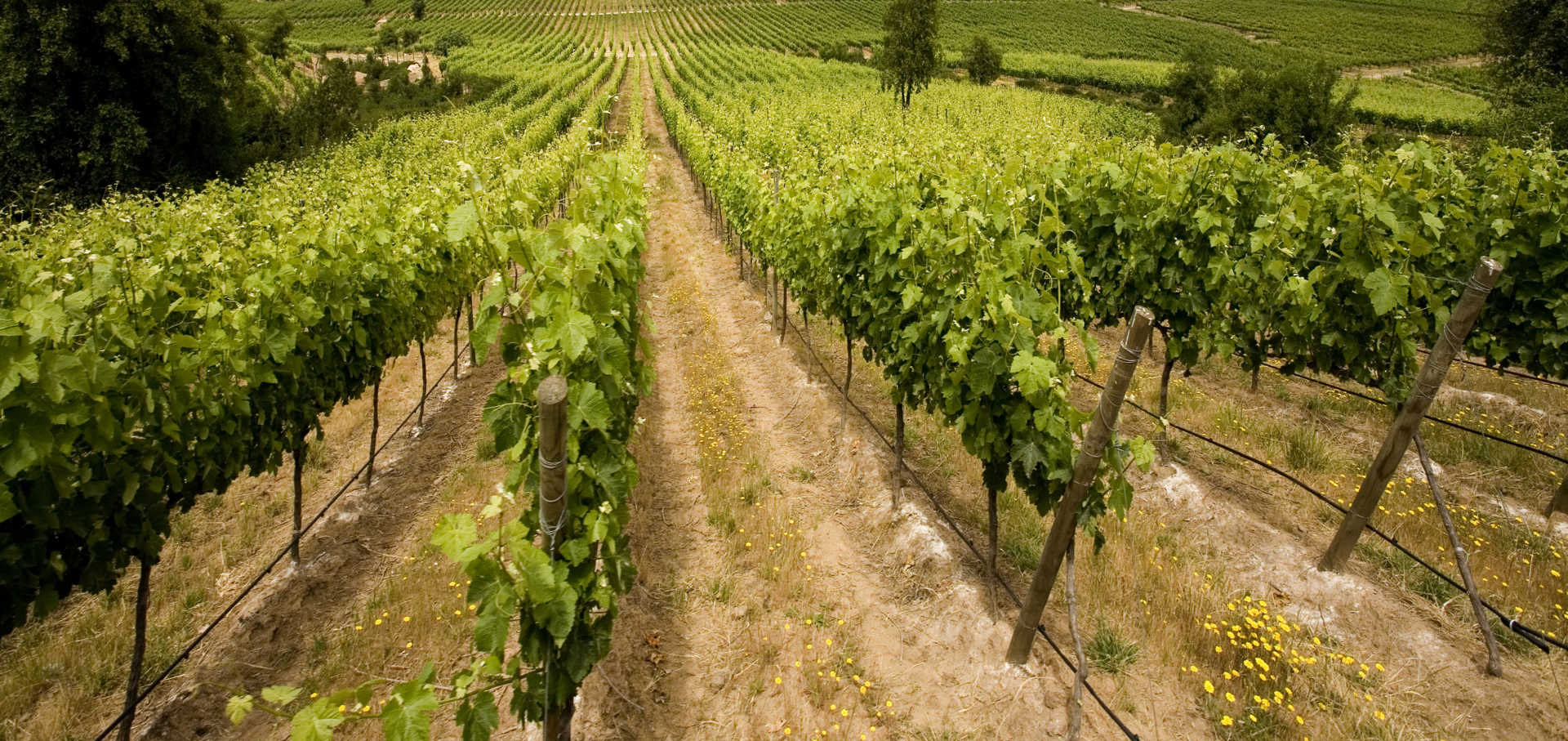
The Maipo Valley is Chile’s most famous wine region. Set in the country’s Central Valley, it is warm and quite dry, often necessitating the use of irrigation. Alluvial soils predominate but are supplemented with loam and clay.
The climate in Maipo is best-suited for ripe, full-bodied reds like Cabernet Sauvignon (the region’s most widely planted grape), Merlot, Syrah and Carmenère, a Bordeaux variety that has found a successful home in Chile.
White wines are also produced with great prosperity, especially near the cooler coast, include Chardonnay and Sauvignon Blanc.