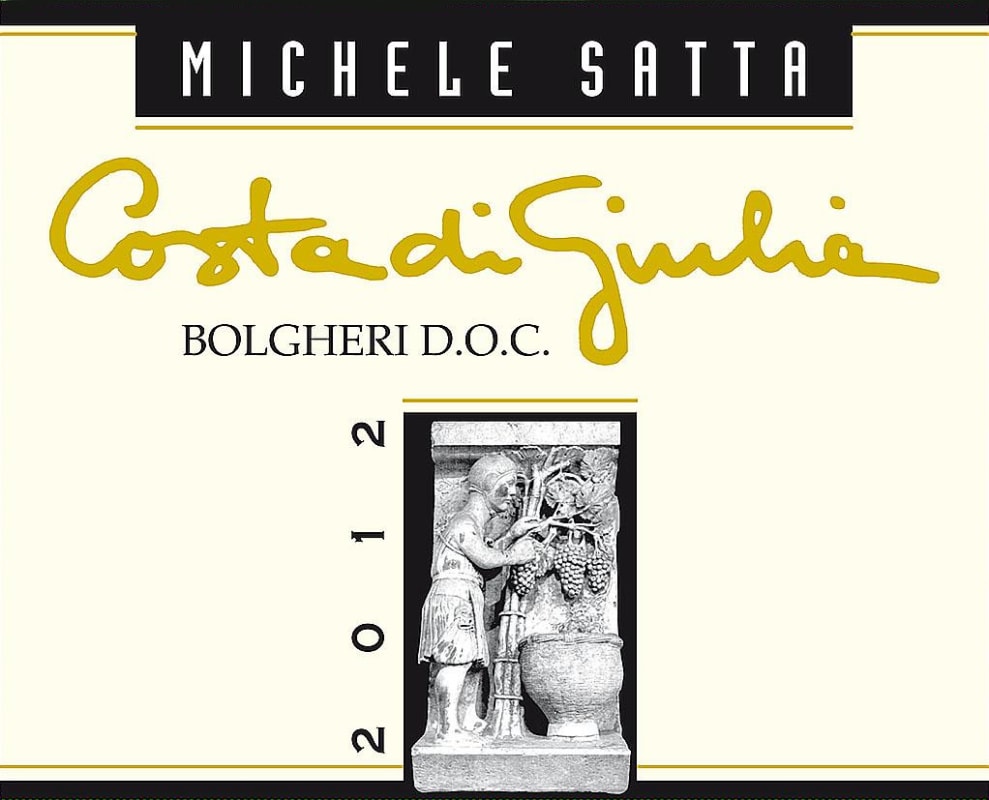

Winemaker Notes



In 1982 Michele started his own winery, one of the first in Bolgheri, withnewly acquired vines from his previous employer. In this famous region ofTuscany, Michele rapidly earned respect and became known quickly as a vigneron. Michele even worked as a consultant for other properties in the early 1990s, including Ornellaia at which time Michele planted many of their vineyards. Michele has always been the local expert on the great terroir of Bolgheri and this is why his wines have been so well regarded in Italy.
Michele is a father of six (an example of his traditional roots), a farmer and a winemaker. He is an uncomplicated, sincere and humble man with very clear priorities; family and vines. While he is a traditionalist, he is also a non-conformist. This deferential character, when combined with a deep dedication to perfection, balance in the vineyards and great attention to detail in the cellar, produces Bolgheri wines that communicate the amazing uniqueness of this man and his terroir. Walking with giants is no easy feat, unless you are Michele Satta.
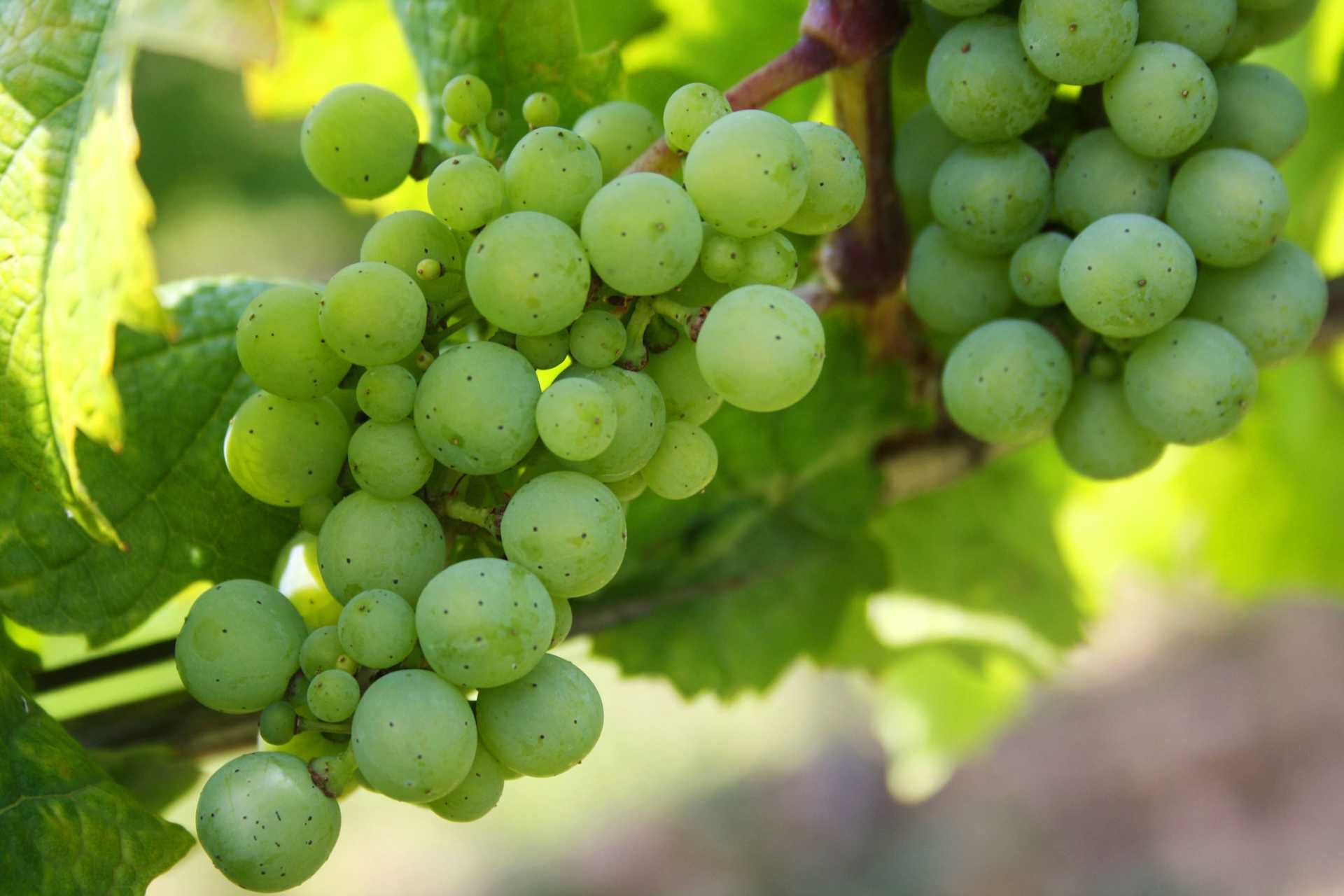
With hundreds of white grape varieties to choose from, winemakers have the freedom to create a virtually endless assortment of blended white wines. In many European regions, strict laws are in place determining the set of varieties that may be used in white wine blends, but in the New World, experimentation is permitted and encouraged. Blending can be utilized to enhance balance or create complexity, lending different layers of flavors and aromas. For example, a variety that creates a soft and full-bodied white wine blend, like Chardonnay, would do well combined with one that is more fragrant and naturally high in acidity. Sometimes small amounts of a particular variety are added to boost color or aromatics. Blending can take place before or after fermentation, with the latter, more popular option giving more control to the winemaker over the final qualities of the wine.

An outstanding wine region made famous by Marchese Mario Incisa della Rocchetta, who planted Cabernet Sauvignon vines for his own consumption in 1940s on his San Guido estate, and called the resulting wine, Sassicaia. Today the region’s Tuscan reds are based on Cabernet Sauvignon and Merlot, which can be made as single varietal wines or blends. The local Sangiovese can make up no more than 50% of the blends. Today Sassicaia has its own DOC designation within the Bogheri DOC appellation.