


Winemaker Notes
Professional Ratings
-
Jeb Dunnuck
The smaller production 2019 Chardonnay Estate Clone 76 Inox comes from the oldest vines on the estate and is brought up only in stainless steel. It offers more golden apple, honeyed lime, pineapple, and sappy flower notes as well as some lees nuances, medium to full body, a beautiful texture, and a great finish. It's more exotic than the classic release yet should evolve similarly.
-
Wine Enthusiast
This steel-fermented and steel-aged bottling starts with floral aromas of hon- eysuckle, orange blossom, poached pear and light pastry. There’s a burst of acidity on the sip, where tuberose and guava flavors are kept in check by the crisp texture.
-
Robert Parker's Wine Advocate
The 2019 Chardonnay Clone 76 Inox has bright, open white peaches and quince with notes of honey, ginger and white flowers. The palate is light to medium-bodied with fresh, juicy fruits and a long, perfumed finish. This is surprisingly expressive for a young, unoaked Chardonnay.


One of the most popular and versatile white wine grapes, Chardonnay offers a wide range of flavors and styles depending on where it is grown and how it is made. While it tends to flourish in most environments, Chardonnay from its Burgundian homeland produces some of the most remarkable and longest lived examples. California produces both oaky, buttery styles and leaner, European-inspired wines. Somm Secret—The Burgundian subregion of Chablis, while typically using older oak barrels, produces a bright style similar to the unoaked style. Anyone who doesn't like oaky Chardonnay would likely enjoy Chablis.
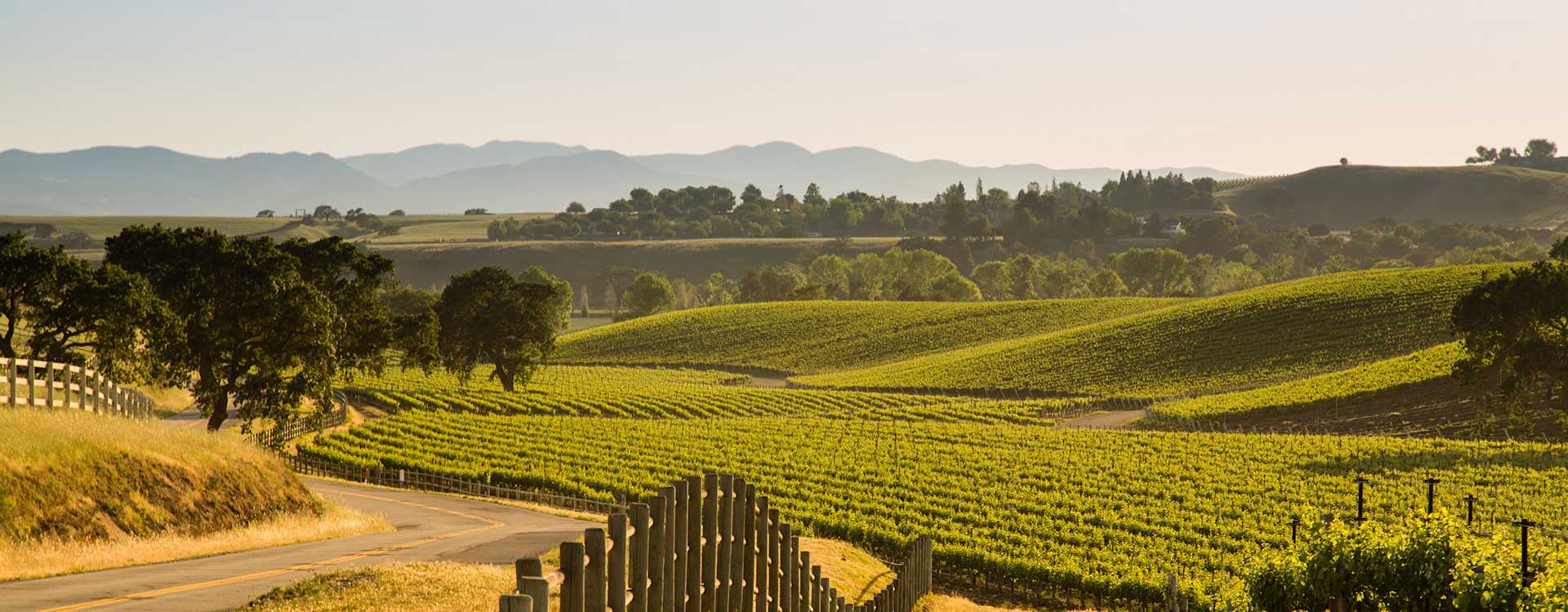
A superior source of California Chardonnay and Pinot Noir, Sta. Rita Hills is the coolest, westernmost sub-region of the larger Santa Ynez Valley appellation within Santa Barbara County. This relatively new AVA is unquestionably one to keep an eye on.
The climate of Sta. Rita Hills is a natural match for Chardonnay and Pinot noir, thanks to the crisp ocean breezes and well-drained, limestone-rich calcareous soil. Here, grapes ripen just enough, while retaining brisk acidity and harmonious balance.