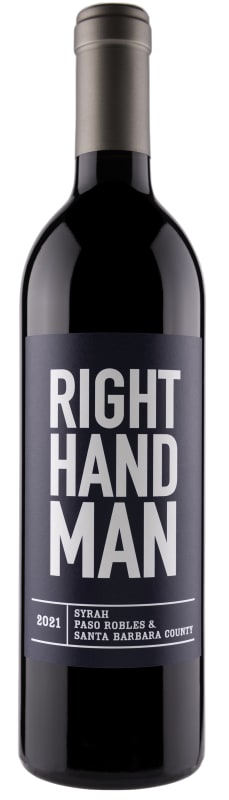


Winemaker Notes
This wine offers a complex and evocative profile, with notes of peach-blueberry cobbler, bouquet garni, rib roast pan drippings, Easter lily, and tamari. The palate is luxurious and broad, delivering a savory yet juicy character that leads to a mouthwatering finish.
Blend: 84% Syrah 14% Petite Sirah 2% Viognier
Professional Ratings
-
Robert Parker's Wine Advocate
The recently bottled 2021 Syrah Right Hand Man is youthfully gregarious, with intense aromas of cassis, tar, violet, game meat and cracked pepper. The medium-bodied palate is chalky and fresh with concentrated yet detailed fruits and a long, layered finish. It's very expressive for this price point and easy to drink!
-
Wine Enthusiast
For being part of the winery’s “blue-collar” series, this is a rather complex, even challenging Syrah, starting with aroma of funky wood, loamy soil, reductive tar and dark berry. Roasted meat, charcoal and asphalt flavors meet black plum and rosemary on the palate.
-
Wine Spectator
A sturdy red, this is appealing for its lively intensity and zesty blackberry and cherry flavors, accented by bitter chocolate, savory herbs and cracked pepper. Drink now through 2031. 2,524 cases made.


Marked by an unmistakable deep purple hue and savory aromatics, Syrah makes an intense, powerful and often age-worthy red. Native to the Northern Rhône, Syrah achieves its maximum potential in the steep village of Hermitage and plays an important component in the Red Rhône Blends of the south, adding color and structure to Grenache and Mourvèdre. Syrah is the most widely planted grape of Australia and is important in California and Washington. Sommelier Secret—Such a synergy these three create together, the Grenache, Syrah, Mourvedre trio often takes on the shorthand term, “GSM.”
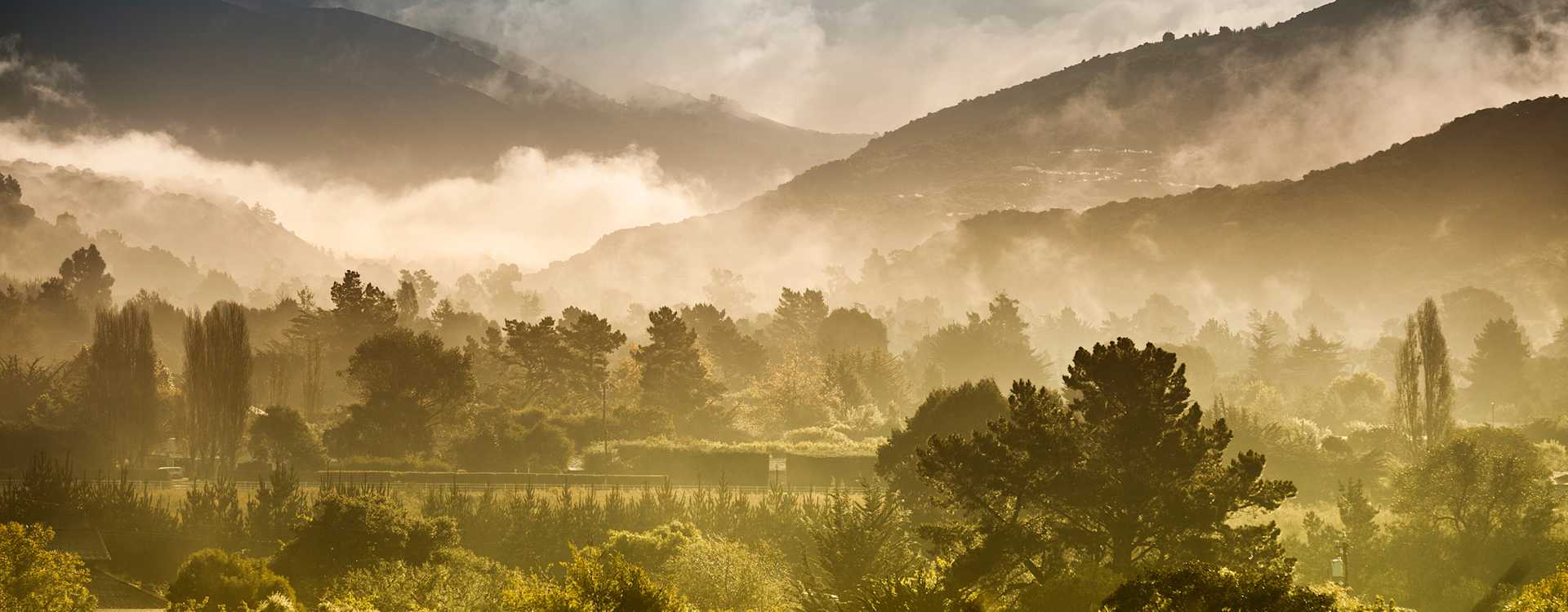
The largest and perhaps most varied of California’s wine-growing regions, the Central Coast produces a good majority of the state's wine. This vast California wine district stretches from San Francisco all the way to Santa Barbara along the coast, and reaches inland nearly all the way to the Central Valley.
Encompassing an extremely diverse array of climates, soil types and wine styles, it contains many smaller sub-AVAs, including San Francisco Bay, Monterey, the Santa Cruz Mountains, Paso Robles, Edna Valley, Santa Ynez Valley and Santa Maria Valley.
While the Central Coast California wine region could probably support almost any major grape varietiy, it is famous for a few Central Coast reds and whites. Pinot Noir, Chardonnay, Cabernet Sauvignon and Zinfandel are among the major ones. The Central Coast is home to many of the state's small, artisanal wineries crafting unique, high-quality wines, as well as larger producers also making exceptional wines.