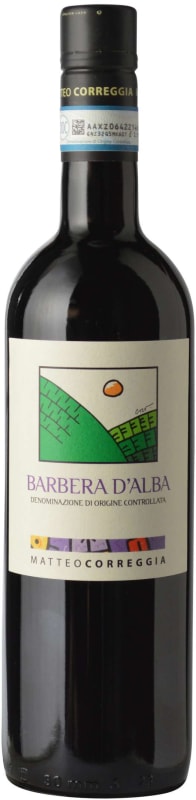


Winemaker Notes
Lively nose of crushed raspberries and blueberry with hints of pepper and rose petals. On the palate, the wine is juicy with an unctuous silky texture and a freshness that extends through the finish. Supremely balanced and complex.
Pairs well with rich pasta, main dishes, roast meat, and medium cheeses.
Professional Ratings
-
Wilfred Wong of Wine.com
COMMENTARY: I often find Barbera my favorite food-pairing red wine; the 2017 Matteo Correggia Barbera d'Alba is well-balanced, bright, and food-friendly. TASTING NOTES: This wine excels with aromas and flavors of tangy red berries and subtle earthy notes. Pair it with well-spiced, slow-cooked lamb stew. (Tasted: September 6, 2022, San Francisco, CA)


Friendly and approachable, Barbera produces wines in a wide range of styles, from youthful, fresh and fruity to serious, structured and age-worthy. Piedmont is the most famous source of Barbera; those from Asti and Alba garner the most praise. Barbera actually can adapt to many climates and enjoys success in some New World regions. Somm Secret—In the past it wasn’t common or even accepted to age Barbera in oak but today both styles—oaked and unoaked—abound and in fact most Piedmontese producers today produce both styles.

An historic village situated right in between the famous regions of Barolo and Barbaresco, Alba is also the name for the larger wine region surrounding the village.
In a sense, “Alba” is a catch-all phrase, and includes the declassified Nebbiolo wines made in Barolo and Barbaresco, as well as the Nebbiolo grown just outside of these regions’ borders. In fact, Nebbiolo d’Alba is a softer, less tannic and more fruit-forward wine ready to drink within just a couple years of bottling. It is a great place to start if you want to begin to understand the grape. Likewise, the even broader category of Langhe Nebbiolo offers approachable and value-driven options as well.
Barbera, planted alongside Nebbiolo in the surrounding hills, and referred to as Barbera d’Alba, takes on a more powerful and concentrated personality compared to its counterparts in Asti.
Dolcetto is ubiquitous here and, known as Dolcetto d'Alba, can be found casually served alongside antipasti on the tables of Alba’s cafes and wine bars.
Not surprisingly, given its location, Alba is recognized as one of Italy’s premiere culinary destinations and is the home of the fall truffle fair, which attracts visitors from worldwide every year.