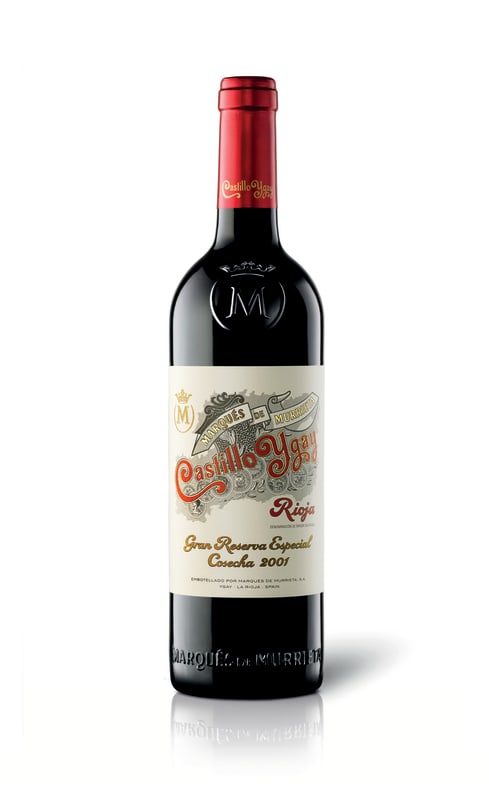


Winemaker Notes
Professional Ratings
-
Robert Parker's Wine Advocate
2001 was the height of ripeness, extraction and oak use in Rioja, and even classic wines like the 2001 Castillo Ygay Gran Reserva Especial showed higher alcohol, at 14%, than any of the other 20 vintages I tasted in this vertical tasting. The wine is a majority of Tempranillo with 7% Mazuelo, as there's no more Garnacha or Graciano from here onwards. The wine matured in American oak barrels for 31 months. This is the first wine from the new era; when they selected the specific plot to produce the wine from here onwards, they decided to age the Tempranillo in American oak, as was the tradition, and the Mazuelo in French oak. I found more integrated oak than I expected in the wine, and there's balance, in a different style than before, with higher alcohol and ripeness, with more color, extraction and oak but without excess. This is a lot more modern, even if their model was the 1959 vintage.






Hailed as the star red variety in Spain’s most celebrated wine region, Tempranillo from Rioja, or simply labeled, “Rioja,” produces elegant wines with complex notes of red and black fruit, crushed rock, leather, toast and tobacco, whose best examples are fully capable of decades of improvement in the cellar.
Rioja wines are typically a blend of fruit from its three sub-regions: Rioja Alta, Rioja Alavesa and Rioja Oriental, although specific sub-region (zonas), village (municipios) and vineyard (viñedo singular) wines can now be labeled. Rioja Alta and Alavesa, at the highest elevations, are considered to be the source of the brightest, most elegant fruit, while grapes from the warmer and drier, Rioja Oriental, produce wines with deep color, great body and richness.