


Winemaker Notes
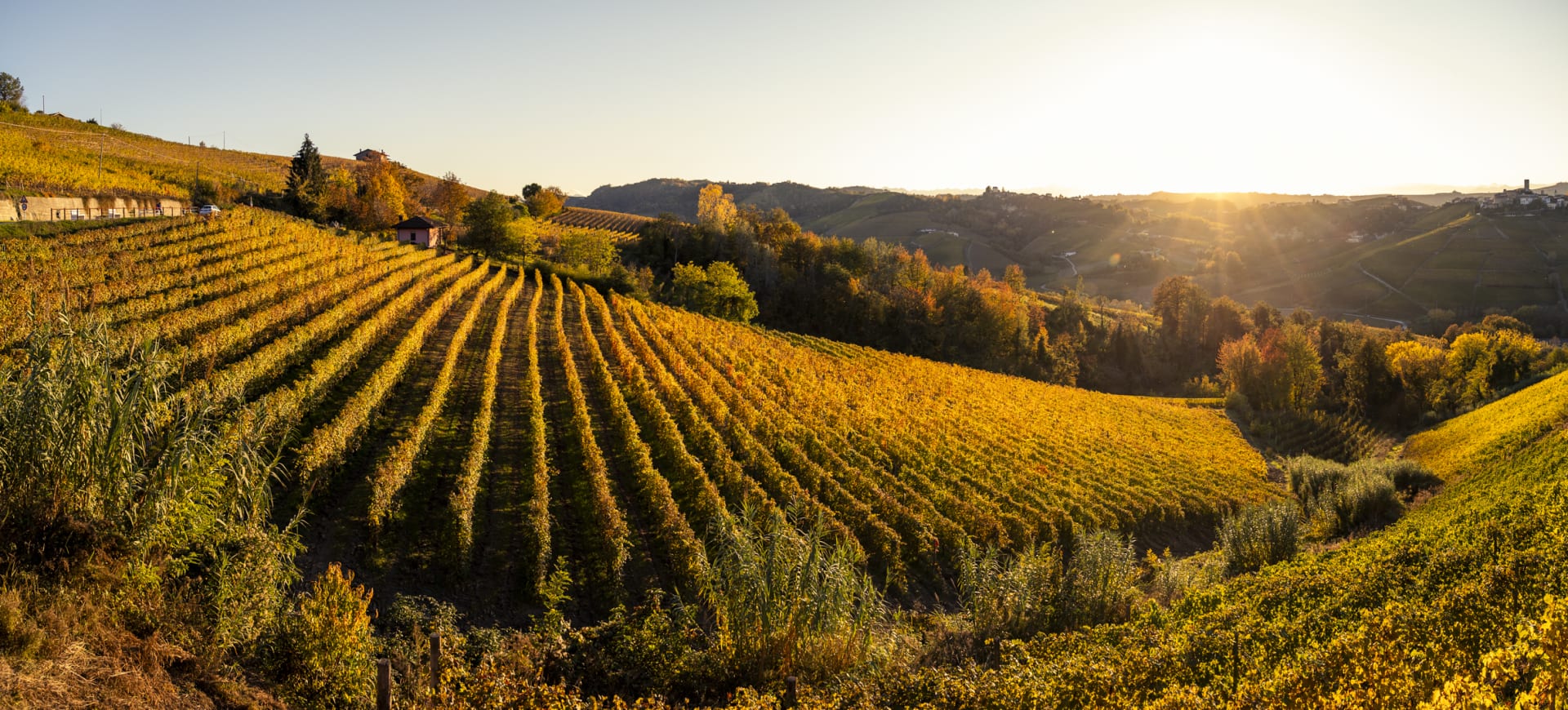
Soils are a combination of the bluish-gray Tortonian-era Sant'Agata Fossili marls and the older whitish-yellow Formazione di Lequio from the Serravallian epoch. This tends to give a wine with the depth and power one associates with Serralunga, but with a gentler tannin structure, perhaps reminiscent of the wines of Barolo and La Morra.
Professional Ratings
-
Jeb Dunnuck
Pouring a jeweled ruby hue, the 2022 Barolo Baudana is beautifully perfumed with notes of framboise, violets, and fresh lavender. Medium-bodied, it carries remarkable energy across the palate, with an expanding mid-palate and refined tannins that reveal more structure with air. Balanced acidity and impressive persistence complete the wine.
-
Wine Enthusiast
Baudana arrives firm, structured, and completely sure of itself, the tart and ripe red fruits sitting lipsmackingly alive on the palate with a focused energy that draws you in and holds you there. The power and elegance this great vineyard delivers vintage after vintage are both fully present and beautifully balanced, and this was achieved in such a challenging year. They know that when the going gets tough, the tough get going, and their hard work paid off in spades. Cellar Selection.
-
Robert Parker's Wine Advocate
From a prized MGA in Serralunga d’Alba, the Luigi Baudana 2022 Barolo Baudana shows an etched, chiseled personality with a prominent mineral vein that comes across as rusty nail, accented by light fruit tones of dried cherry and cassis alongside notes of pressed rose and violet on the bouquet. The Baudana cru sits on compact, iron-rich soils in Serralunga d’Alba, which often translate into the firm structure and mineral tension evident in the glass. I like the tension and forward drive of this cutting wine, which leaves the palate clean and satisfying.
-
Wine Spectator
Black cherry, plum, tar, iron and eucalyptus aromas and flavors are the hallmarks of this dense, brooding red. Muscular tannins plumb the finish, leaving a compact, dusty feel. There’s plenty of fruit up front, so be patient.
-
Vinous
The 2022 Barolo Baudana is a soft, pliant wine. Crushed red berry fruit, white pepper, sage, mint, dried flowers and blood orange lend notable brightness. This nervy, tense Barolo emerges with air. Floral overtones and bright red-toned fruit are front and center. Although a bit light, the 2022 is impeccable in its balance.


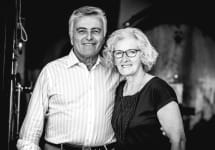
Luigi Baudana is one of the last garagiste estates in Langhe. With just 4 quality hectares, located in some of the most prestigious Barolo crus in Serralunga d'Alba. The wines of the Luigi Baudana collection are an expression of powerful, genuine and true-to-terroir wines, expressing the best of the Nebbiolo grape.
The origin of the cellar is lost in time: Baudana is the name of the family, but it is also the name of the vineyard and of the hamlet of Serralunga d'Alba, where the winery is located.
For over thirty years, Luigi and Fiorina Baudana have grown the vineyards that have belonged to their family for generations. They cared for their vineyards with the same tenderness of their own love and with the same warmth emanating from their cellar, born under the vaults of their home.
From the very beginning, the Vaira family have been impressed by Luigi and Fiorina's ambition, as well as pride in their work. Their mission every day is for Luigi and Fiorina to be proud of the vineyards and of the wines, whilst perpetuating their gestures and seeking for the authenticity of every single vineyard.

Responsible for some of the most elegant and age-worthy wines in the world, Nebbiolo, named for the ubiquitous autumnal fog (called nebbia in Italian), is the star variety of northern Italy’s Piedmont region. Grown throughout the area, as well as in the neighboring Valle d’Aosta and Valtellina, it reaches its highest potential in the Piedmontese villages of Barolo, Barbaresco and Roero. Outside of Italy, growers are still very much in the experimentation stage but some success has been achieved in parts of California. Somm Secret—If you’re new to Nebbiolo, start with a charming, wallet-friendly, early-drinking Langhe Nebbiolo or Nebbiolo d'Alba.

The center of the production of the world’s most exclusive and age-worthy red wines made from Nebbiolo, the Barolo wine region includes five core townships: La Morra, Monforte d’Alba, Serralunga d’Alba, Castiglione Falletto and the Barolo village itself, as well as a few outlying villages. The landscape of Barolo, characterized by prominent and castle-topped hills, is full of history and romance centered on the Nebbiolo grape. Its wines, with the signature “tar and roses” aromas, have a deceptively light garnet color but full presence on the palate and plenty of tannins and acidity. In a well-made Barolo wine, one can expect to find complexity and good evolution with notes of, for example, strawberry, cherry, plum, leather, truffle, anise, fresh and dried herbs, tobacco and violets.
There are two predominant soil types here, which distinguish Barolo from the lesser surrounding areas. Compact and fertile Tortonian sandy marls define the vineyards farthest west and at higher elevations. Typically the Barolo wines coming from this side, from La Morra and Barolo, can be approachable relatively early on in their evolution and represent the “feminine” side of Barolo, often closer in style to Barbaresco with elegant perfume and fresh fruit.
On the eastern side of the Barolo wine region, Helvetian soils of compressed sandstone and chalks are less fertile, producing wines with intense body, power and structured tannins. This more “masculine” style comes from Monforte d’Alba and Serralunga d’Alba. The township of Castiglione Falletto covers a spine with both soil types.
The best Barolo wines need 10-15 years before they are ready to drink, and can further age for several decades.