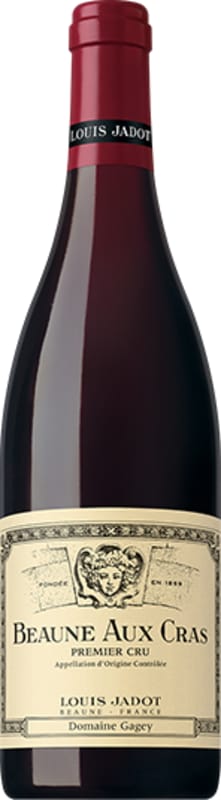


Winemaker Notes
Aux Cras marries elegance with power, beginning with aromas of sweet red berry fruit and hints of wet stones. Tannins are firm and acidity is bright, and alcohol level is substantial, all providing the structural framework to support long aging. Over time (or with air) abundant secondary floral and spice nuances appear as the youthful sharp edges recede.
Professional Ratings
-
James Suckling
What a stunning example of the vintage in Beaune. This really shows what makes these wines stand out. Deep sour-cherry and summer-flower aromas and a wonderfully creamy texture on the mouth-filling, medium-bodied palate. I love what the very fine tannins do for this wine, right through the long seductive finish. Drink or hold.
-
Wine Spectator
Rich and silky, this red reveals cherry, raspberry, plum and earth flavors. Theres a light vegetal, stemmy accent in the best sense, plus a solid underlying structure. Offers fine harmony and plenty of fruit on the finish. Shows potential. Best from 2029 through 2047.
-
Decanter
The Jadot version of Beaune Cras from the Gagey family vineyard in 2023 offers impressive ripeness to the plum and blackberry fruit. The structure seems more powerful and relatively tannic, with less of the moreish, approachable side that was so attractive last year. Frédéric Barnier notes that this is a fairly early-ripening parcel since it is exposed to the southeast. With three to five years in bottle this should be delicious.
-
Robert Parker's Wine Advocate
The 2023 Beaune 1er Cru Aux Cras (Domaine Gagey) is another of the highlights chez Jadot this year, wafting from the glass with notes of raspberries, spices, rose petals and licorice, followed by a medium to full-bodied, suave and pure palate that's vibrant and mineral. As readers may remember, this old-vine parcel, formerly belonging to the Château de Chorey, is often one of the stars of this house's Beaune portfolio.
Barrel Sample: 91-93


Thin-skinned, finicky and temperamental, Pinot Noir is also one of the most rewarding grapes to grow and remains a labor of love for some of the greatest vignerons in Burgundy. Fairly adaptable but highly reflective of the environment in which it is grown, Pinot Noir prefers a cool climate and requires low yields to achieve high quality. Outside of France, outstanding examples come from in Oregon, California and throughout specific locations in wine-producing world. Somm Secret—André Tchelistcheff, California’s most influential post-Prohibition winemaker decidedly stayed away from the grape, claiming “God made Cabernet. The Devil made Pinot Noir.”

While the city represents the epicenter of wine production in Burgundy, the term, “Beaune” also refers to the specific sub-appellation of the greater Côte de Beaune, whose vineyards climb up the pastoral slopes that border the city to its west. Originally founded as a Roman camp by Julius Caesar, the city of Beaune eventually became the seat of the dukes of Burgundy until the 13th century. Today it is home to top négociants such as Louis Jadot, Joseph Drouhin, Louis Latour, and Bouchard Père et Fils.
The appellation, dominated by Pinot Noir plantings, represents a lovely and charming place to begin to understand red Burgundy. Its sandy soils create light and supple, floral driven Pinot Noir. These wines are designed to be enjoyed within five to 10 years. The vineyards of Beaune span a broad swath of Premier Crus from Savigny-lès-Beaune to its border with Pommard.
Chardonnay acreage here has been increasing here in the more recent years.