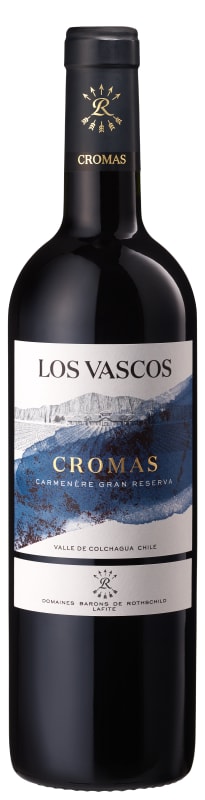


Winemaker Notes
Intense color tinged with purple. On the nose, the wine reveals fruit aromas such as blackberry, plum and black cherry that gradually evolve with notes of white pepper and herbaceous notes characteristic of this grape variety. On the palate, the tannins are soft, silky with a pleasant balance between density and acidity.
Professional Ratings
-
James Suckling
Dark berries with sweet-tobacco and flower-stem undertones. Full-bodied with a tight, juicy and rather tannic palate. Flavorful finish. Just a hint of chocolate and cedar at the end. A more muscular style of carmenere. Better in a year or two, but already excellent.
-
Wine Spectator
Vibrant acidity backs the concentrated dark fruit and Asian spice flavors in this red, with plenty of dark chocolate accents, followed by dried mint and forest floor notes on the finish.


Dark, full-bodied and herbaceous with a spicy kick, Carménère found great success with its move to Chile in the mid-19th century. However, the variety went a bit undercover until 1994 when many plantings previously thought to be Merlot, were profiled as Carménère. Somm Secret— Carménère is both a progeny and a great-grandchild of the similarly flavored Cabernet Franc.

Well-regarded for intense and exceptionally high quality red wines, the Colchagua Valley is situated in the southern part of Chile’s Rapel Valley, with many of the best vineyards lying in the foothills of the Coastal Range.
Heavy French investment and cutting-edge technology in both the vineyard and the winery has been a boon to the local viticultural industry, which already laid claim to ancient vines and a textbook Mediterranean climate.
The warm, dry growing season in the Colchagua Valley favors robust reds made from Cabernet Sauvignon, Carmenère, Malbec and Syrah—in fact, some of Chile’s very best are made here. A small amount of good white wine is produced from Chardonnay and Sauvignon Blanc.