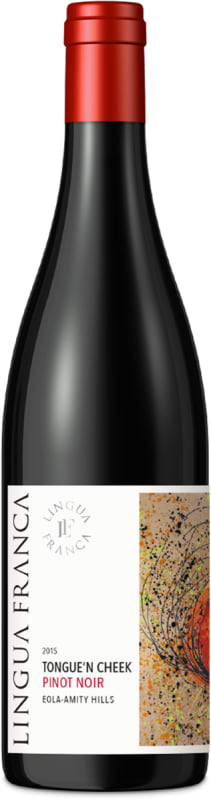


Winemaker Notes
The fruit for this cuvée comes from one of the oldest vineyards in Oregon, with rocky, Jory soil. After 14 months in barrel, it has been tamed, showing medium weight, with red and black fruit and some crystallized preserve notes. The finished wine is round, smooth and gamey, with plum dumpling and spice flavors and dark undercurrents of smoke, tar, flint and roasted meat.
Professional Ratings
-
Decanter
In the Tongue n' Cheek cuvée, notes of wild berries mingle with black cherry, juniper and dark spice, leading into a more powerful, layered wine with a serious chassis of fine tannins and more dimension than its siblings. The fruit remains crisp and precise in this warm year. A very impressive debut vintage.
-
Wine Spectator
Lithe and delicately complex, offering rose petal and tart blueberry aromas, with effortlessly balanced raspberry, river rock and spice flavors that finish with refined tannins. Drink now through 2022.
-
James Suckling
Aromas of raspberries, blueberries and rose petals. Hints of milk chocolate, too. Medium body, tight and lightly chewy tannins and a fresh and drinkable finish. Shows tension.
-
Wine Enthusiast
From a low-yielding, rocky site, this is a well-structured wine with compelling minerality. Its immaculate raspberry fruit is etched with well-modulated streaks of stem and leaf. It was aged in one fifth new barriques.


Thin-skinned, finicky and temperamental, Pinot Noir is also one of the most rewarding grapes to grow and remains a labor of love for some of the greatest vignerons in Burgundy. Fairly adaptable but highly reflective of the environment in which it is grown, Pinot Noir prefers a cool climate and requires low yields to achieve high quality. Outside of France, outstanding examples come from in Oregon, California and throughout specific locations in wine-producing world. Somm Secret—André Tchelistcheff, California’s most influential post-Prohibition winemaker decidedly stayed away from the grape, claiming “God made Cabernet. The Devil made Pinot Noir.”

Running north to south, adjacent to the Willamette River, the Eola-Amity Hills AVA has shallow and well-drained soils created from ancient lava flows (called Jory), marine sediments, rocks and alluvial deposits. These soils force vine roots to dig deep, producing small grapes with great concentration.
Like in the McMinnville sub-AVA, cold Pacific air streams in via the Van Duzer Corridor and assists the maintenance of higher acidity in its grapes. This great concentration, combined with marked acidity, give the Eola-Amity Hills wines—namely Pinot noir—their distinct character. While the region covers 40,000 acres, no more than 1,400 acres are covered in vine.