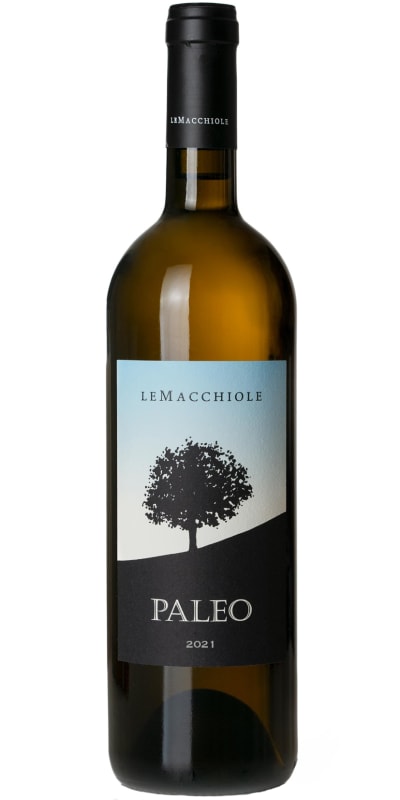


Winemaker Notes
Deep aromas of lime and white flowers and a delicate spicy note reminiscent of almond and hazelnut.
Blend: 70% Chardonnay, 30% Sauvignon Blanc
Professional Ratings
-
Robert Parker's Wine Advocate
The 2021 Paleo Bianco is a blend of 70% Chardonnay and 30% Sauvignon Blanc that offers fresh acidity, creamy citrus and plenty of sharp mineral definition. This mid-weight white sees partial oak. Only 10% of the Chardonnay sees barrique, and the rest goes into bigger tonneaux. The Sauvignon Blanc goes directly into stainless steel. The purpose of this two-phased approach is to maintain the almost salty aromas that emerge so gracefully. They did not want to prioritize the heavy sweetness or excessively tropical notes of the Chardonnay. This wine will hit the market in March 2023 but was bottled in April of this year. The first vintage made was 1991, and at the beginning, some Vermentino was used in the blend. Later, the blend was mostly Sauvignon Blanc with Chardonnay as support, but the roles were later reversed. By the way, I tasted the 1992 vintage of this wine at a local restaurant, and it was stunning.
-
Wine Enthusiast
Opening aromas of rubber bouncy ball and green apple on the nose belie the seriousness of this Chardonnay. It subsequently suggests salted lemon peel, damp cobblestones and more lush tree fruit and spices. The palate turns to crisp green-apple slices and lemon-lime candy, with salted peanuts on the back and searing acid that lifts it all into an ethereal plane.
-
James Suckling
This has a citrusy nose with hints of pear skins, honeysuckle, raw almond and lemon custard. Full-bodied and round-textured with crunchy acidity. Polished and mineral. A blend of chardonnay and sauvignon blanc.
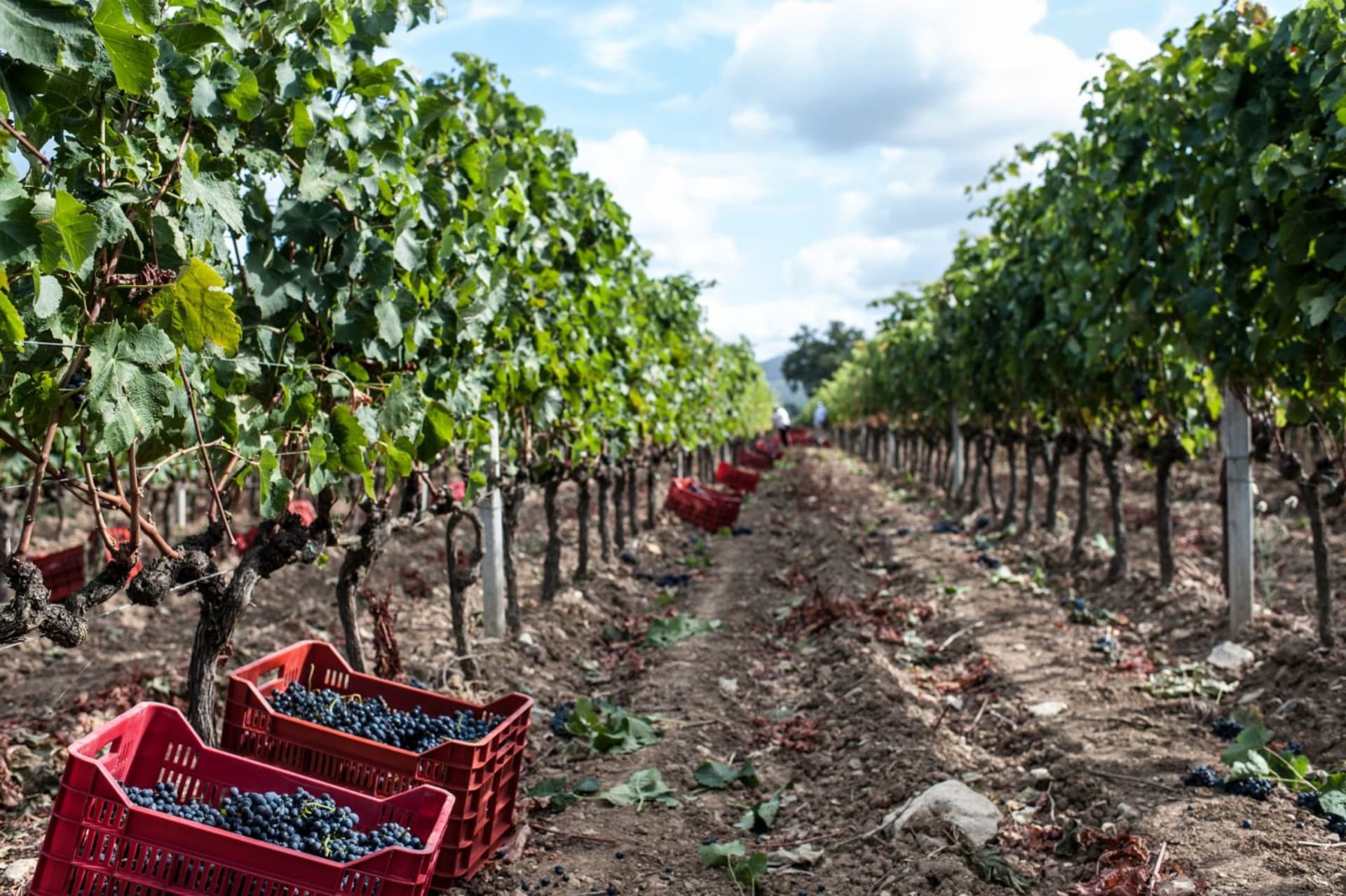



Long before it was fashionable, Eugenio Campolmi saw the potential of his homeland, buying his first vineyard in Bolgheri in 1975 baptised "Le Macchiole". In 1987, he hired famed oenologist Vittorio Fiore as a consultant before the later was joined by Luca d'Attoma for years later. In contrast to his renowned neighbors who focused on Bordeaux blends, Campolmi focused on achieving the purest expression of individual varieties, crafting distinct wines of unprecedented quality. Soon Le Macchiole joined Sassicaia, Ornellaia, and Guado al Tasso as one of the most prestigious estates in Bolgheri. Following Eugenio's death in 2002, his wife Cinzia Merli, who shares her husband's passion, took over at the estate. Working with Luca D'Attoma, she has carried on her husband's legacy by continuing to make great Tuscan wines.
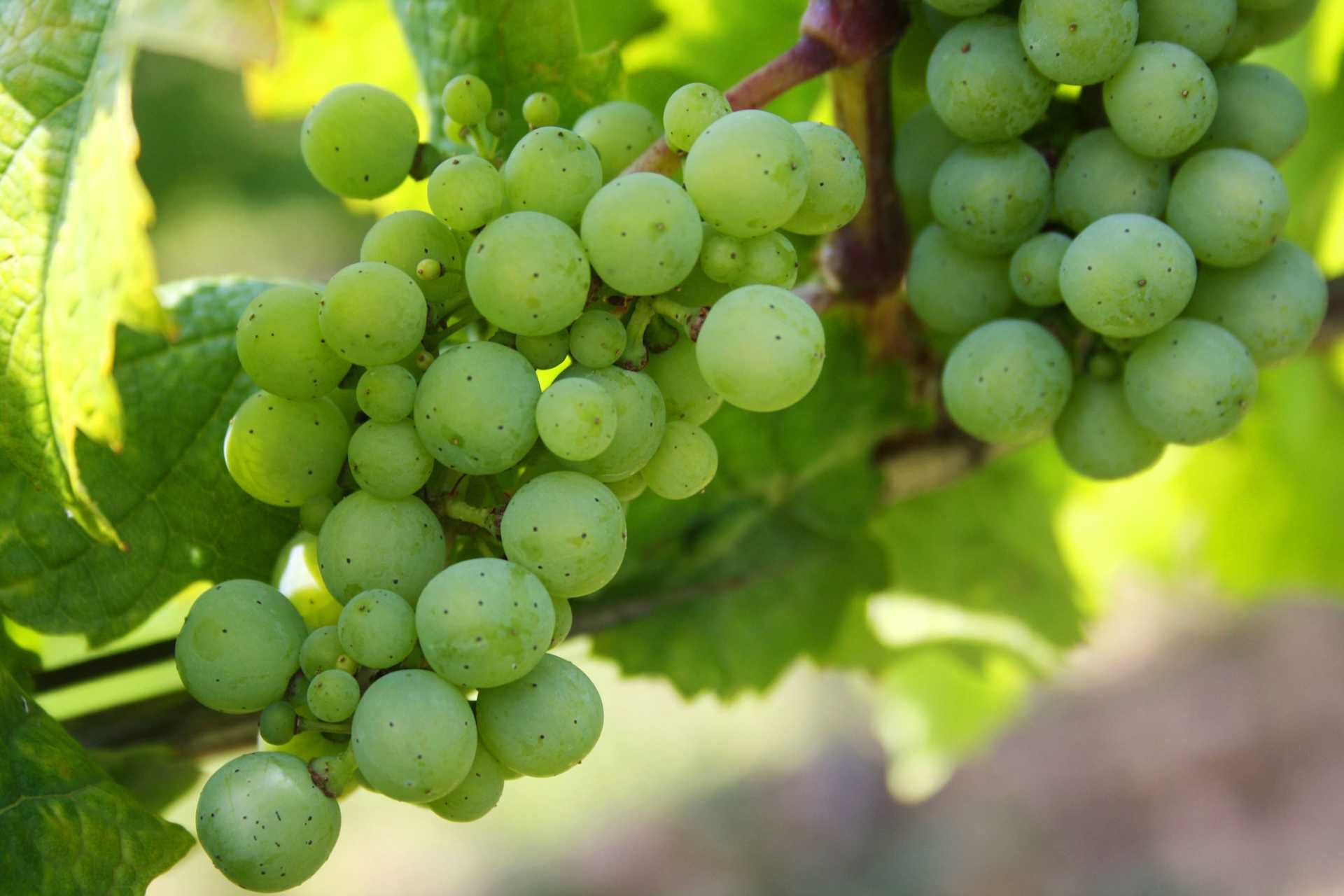
With hundreds of white grape varieties to choose from, winemakers have the freedom to create a virtually endless assortment of blended white wines. In many European regions, strict laws are in place determining the set of varieties that may be used in white wine blends, but in the New World, experimentation is permitted and encouraged. Blending can be utilized to enhance balance or create complexity, lending different layers of flavors and aromas. For example, a variety that creates a soft and full-bodied white wine blend, like Chardonnay, would do well combined with one that is more fragrant and naturally high in acidity. Sometimes small amounts of a particular variety are added to boost color or aromatics. Blending can take place before or after fermentation, with the latter, more popular option giving more control to the winemaker over the final qualities of the wine.

One of the most iconic Italian regions for wine, scenery and history, Tuscany is the world’s most important outpost for the Sangiovese grape. Tuscan wine ranges in style from fruity and simple to complex and age-worthy, Sangiovese makes up a significant percentage of plantings here, with the white Trebbiano Toscano coming in second.
Within Tuscany, many esteemed wines have their own respective sub-zones, including Chianti, Brunello di Montalcino and Vino Nobile di Montepulciano. The climate is Mediterranean and the topography consists mostly of picturesque rolling hills, scattered with vineyards.
Sangiovese at its simplest produces straightforward pizza-friendly Tuscan wines with bright and juicy red fruit, but at its best it shows remarkable complexity and ageability. Top-quality Sangiovese-based wines can be expressive of a range of characteristics such as sour cherry, balsamic, dried herbs, leather, fresh earth, dried flowers, anise and tobacco. Brunello, an exceptionally bold Tuscan wine, expresses well the particularities of vintage variations and is thus popular among collectors. Chianti is associated with tangy and food-friendly dry wines at various price points. A more recent phenomenon as of the 1970s is the “Super Tuscan”—a red wine made from international grape varieties like Cabernet Sauvignon, Merlot, Cabernet Franc and Syrah, with or without Sangiovese. These are common in Tuscany’s coastal regions like Bolgheri, Val di Cornia, Carmignano and the island of Elba.