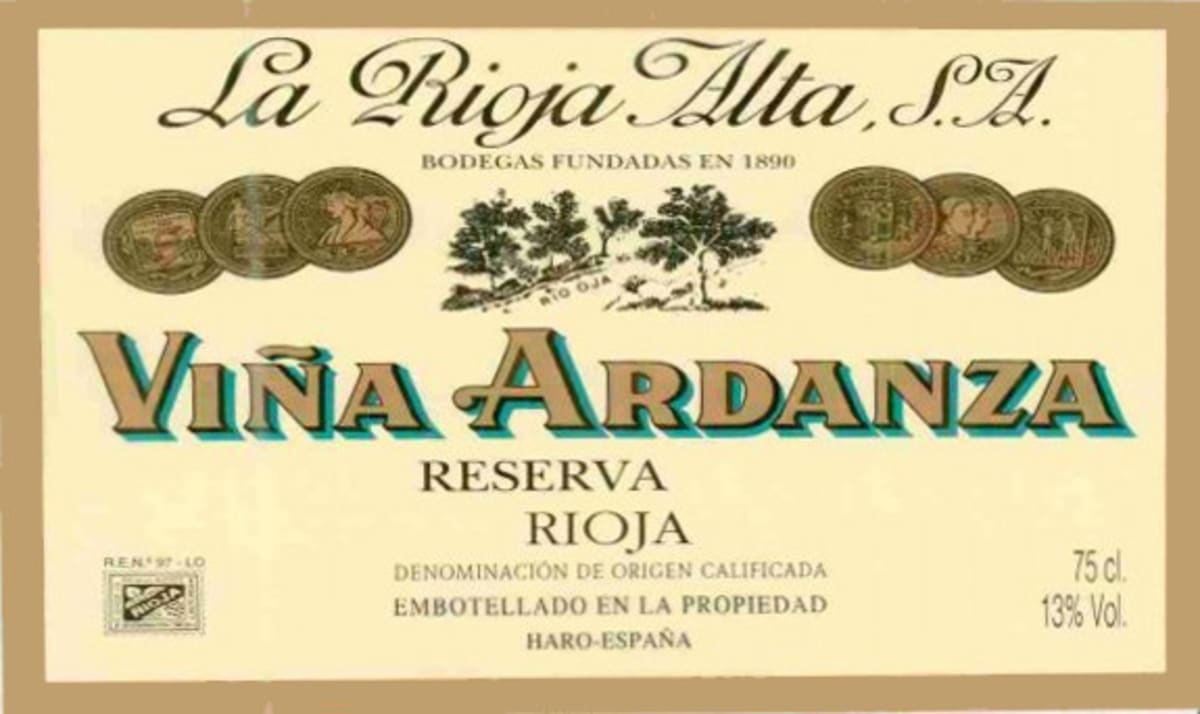

Winemaker Notes
Professional Ratings
-
James Suckling
Dried cherries, cedar, sandalwood, tar, treacle tart, cinnamon and vanilla. Medium body, fine-grained and very silky tannins for a wine of almost 10 years of age, bright and transparent acidity and a long, very spicy finish. Like going back in time and touching an ornate tapestry. The texture is mesmerizing. Drink now.
-
Wilfred Wong of Wine.com
COMMENTARY: One of the high points of a dedicated wine taster is enjoying wine with Old World charm that is clean, bright, and beautiful. The 2010 La Rioja Alta Viña Ardanza Reserva "Selección Especial—Isn't that a handful to say—is a stunner. TASTING NOTES: This wine is alluring, sophisticated, and the kind of wine everyone wants. Its aromas and flavors of earth, forest floor, savory spices stay long and beautifully on the palate. Pair it with lightly-seasoned grilled lamb chops. (Tasted: August 29, 2019, San Francisco, CA)
-
Wine Spectator
Polished and graceful, balanced and lively, this red offers cherry, dried strawberry, cedar, spice and vanilla flavors that mingle over light, firm tannins and orange peel acidity. The silky texture and juicy flavors find a graceful middle ground between the traditional and modern styles. Tempranillo and Garnacha. Drink now through 2025.
-
Wine Enthusiast
A rusty color and classic Ardanza aromas of dry spice, fallen leaves, charred beef, tobacco and herbs announce a proprietary Rioja. Typical raciness and blazing acidity drive the palate, while spicy red berry and currant flavors are backed by dry oak. Only on the finish does this soften, with a hint of raisin coming out. Drink now through 2028.



Always evolving quality, elegance, innovation, evolution... They are the pillars on which the five founding families erected our winery in 1890 and built a way of living, feeling and producing wines of the highest quality that continue to evolve subtly, perfectly adapting to new tastes. This is how the permanent pursuit of excellence started; a pursuit that continues into the 21st century with identical enthusiasm. We draw the best from our winemaking tradition and wisdom —our own cooperage, manual racking, long ageing periods, etc.— and combine it with the most modern winemaking technology. Today, our wines are an international exemplar of the great wines of Rioja and our brands are present in the best restaurants across all continents.

With hundreds of red grape varieties to choose from, winemakers have the freedom to create a virtually endless assortment of blended red wines. In many European regions, strict laws are in place determining the set of varieties that may be used, but in the New World, experimentation is permitted and encouraged resulting in a wide variety of red wine styles. Blending can be utilized to enhance balance or create complexity, lending different layers of flavors and aromas. For example, a red wine blend variety that creates a fruity and full-bodied wine would do well combined with one that is naturally high in acidity and tannins. Sometimes small amounts of a particular variety are added to boost color or aromatics. Blending can take place before or after fermentation, with the latter, more popular option giving more control to the winemaker over the final qualities of the wine.
How to Serve Red Wine
A common piece of advice is to serve red wine at “room temperature,” but this suggestion is imprecise. After all, room temperature in January is likely to be quite different than in August, even considering the possible effect of central heating and air conditioning systems. The proper temperature to aim for is 55° F to 60° F for lighter-bodied reds and 60° F to 65° F for fuller-bodied wines.
How Long Does Red Wine Last?
Once opened and re-corked, a bottle stored in a cool, dark environment (like your fridge) will stay fresh and nicely drinkable for a day or two. There are products available that can extend that period by a couple of days. As for unopened bottles, optimal storage means keeping them on their sides in a moderately humid environment at about 57° F. Red wines stored in this manner will stay good – and possibly improve – for anywhere from one year to multiple decades. Assessing how long to hold on to a bottle is a complicated science. If you are planning long-term storage of your reds, seek the advice of a wine professional.

Highly regarded for distinctive and age-worthy red wines, Rioja is Spain’s most celebrated wine region. Made up of three different sub-regions of varying elevation: Rioja Alta, Rioja Alavesa and Rioja Oriental. Wines are typically a blend of fruit from all three, although specific sub-region (zonas), village (municipios) and vineyard (viñedo singular) wines can now be labeled. Rioja Alta, at the highest elevation, is considered to be the source of the brightest, most elegant fruit, while grapes from the warmer and drier Rioja Oriental produce wines with deep color and higher alcohol, which can add great body and richness to a blend.
Fresh and fruity Rioja wines labeled, Joven, (meaning young) see minimal aging before release, but more serious Rioja wines undergo multiple years in oak. Crianza and Reserva styles are aged for one year in oak, and Gran Reserva at least two, but in practice this maturation period is often quite a bit longer—up to about fifteen years.
Tempranillo provides the backbone of Rioja red wines, adding complex notes of red and black fruit, leather, toast and tobacco, while Garnacha supplies body. In smaller percentages, Graciano and Mazuelo (Carignan) often serve as “seasoning” with additional flavors and aromas. These same varieties are responsible for flavorful dry rosés.
White wines, typically balancing freshness with complexity, are made mostly from crisp, fresh Viura. Some whites are blends of Viura with aromatic Malvasia, and then barrel fermented and aged to make a more ample, richer style of white.