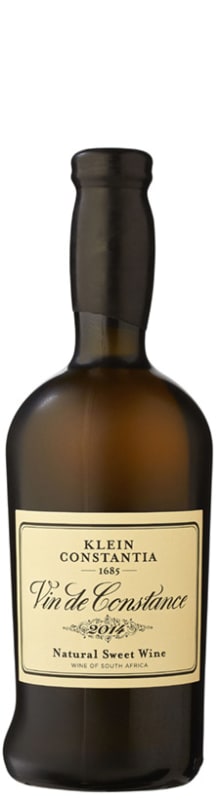


Winemaker Notes
Bright and yellow gold in color. The nose displays aromas of citrus, ginger and fresh nutmeg. Elegant, well rounded in acidity with a creamy mouthfeel, the flavors follow through offering a zesty mid palate. Full and refreshing, the wine concludes with a long and concentrated finish.
Professional Ratings
-
Decanter
This spectacular effort glistens with a deep yellow and gold hue. The nose billows from the glass with pure Muscat perfume alongside ravishing ginger and Turkish Delight. It's very fresh and super-intense on the palate, seriously sweet as well as stunningly zesty and zingy, with notes of ginger, nutmeg and bitter marmalade. The finish is monumental; fresh, clean, slightly bitter and remarkably dry. This will develop for decades. Drinking Window 2021 - 2050
-
Robert Parker's Wine Advocate
Very ripe and heady nose of apricots and peach jam, straw, dried honeysuckle, caramel, mango puree and candied papaya. Somehow, it all remains fresh. Full and round on the palate. Medium-sweet to sweet with medium acidity. A dense, oily finish. One of the great sweet wines of South Africa. Drink now or hold.
-
Wine Spectator
Creamed persimmon, yellow apple, quince and mirabelle plum notes weave together seamlessly in this version, gilded with heather, honey and green tea accents. This is rich, but the brightness and a lovely bitter orange flash add detail on the finish. Muscat de Frontignan.


Apart from the classics, we find many regional gems of different styles.
Late harvest wines are probably the easiest to understand. Grapes are picked so late that the sugars build up and residual sugar remains after the fermentation process. Ice wine, a style founded in Germany and there referred to as eiswein, is an extreme late harvest wine, produced from grapes frozen on the vine, and pressed while still frozen, resulting in a higher concentration of sugar. It is becoming a specialty of Canada as well, where it takes on the English name of ice wine.
Vin Santo, literally “holy wine,” is a Tuscan sweet wine made from drying the local white grapes Trebbiano Toscano and Malvasia in the winery and not pressing until somewhere between November and March.
Rutherglen is an historic wine region in northeast Victoria, Australia, famous for its fortified Topaque and Muscat with complex tawny characteristics.

One of the most famous and celebrated wine regions imported throughout Europe during the 18th century, Constantia was founded in 1685 by a Dutch governor named Simon van der Stel who ran a successful wine farm for many years.
Constantia vineyards, planted in ancient soil beds, climb up the east-facing slopes of the Constantiaberg, where the vines receive cool sea breezes blowing in from False Bay.