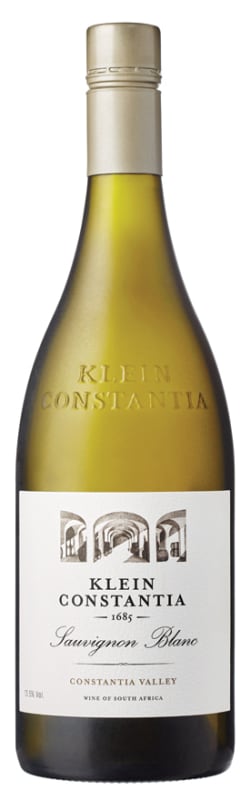


Winemaker Notes
Light & bright in appearance. Fresh aromas of grapefruit, limes and kiwi burst on the nose. The palate is moreish with balanced flavours of quince, citrus blossom, umami and a bittersweet aspect. Salivating with fresh salinity, lively and a vibrant acidity. Textured and expressive, the wine concludes with a long crisp finish.
Professional Ratings
-
James Suckling
A mouthwateringly fresh sauvignon blanc that has notes of lime peel, gooseberries, flint and some fennel. A touch of wild nettles. It’s medium-bodied, vibrant and electric.
-
Robert Parker's Wine Advocate
The Klein Constantia 2023 Constantia Sauvignon Blanc is extremely linear and sharp with a mineral quality the persists throughout. Winemaker Matthew Day says it took him a long while to understand what the soils mean to this wine. He works with ancient decomposed granite and reddish sandstone from Table Mountain and along the riverbeds. With 42 blocks to choose fruit from, the blending possibilities are enormous. He can pinpoint the best blocks each year. He starts blending after the wine has seen six months in tank, but he wants to extend that to nine months. A salty marine theme is dominant, but the wine also offers white fruits and light floral nuances. A tiny part of declassified wine from oak may work its way into this blend, but you would never know. If you enjoy Sauvignon Blanc.


Capable of a vast array of styles, Sauvignon Blanc is a crisp, refreshing variety that equally reflects both terroir and varietal character. Though it can vary depending on where it is grown, a couple of commonalities always exist—namely, zesty acidity and intense aromatics. This variety is of French provenance. Somm Secret—Along with Cabernet Franc, Sauvignon Blanc is a proud parent of Cabernet Sauvignon. That green bell pepper aroma that all three varieties share is no coincidence—it comes from a high concentration of pyrazines (herbaceous aromatic compounds) inherent to each member of the family.

One of the most famous and celebrated wine regions imported throughout Europe during the 18th century, Constantia was founded in 1685 by a Dutch governor named Simon van der Stel who ran a successful wine farm for many years.
Constantia vineyards, planted in ancient soil beds, climb up the east-facing slopes of the Constantiaberg, where the vines receive cool sea breezes blowing in from False Bay.