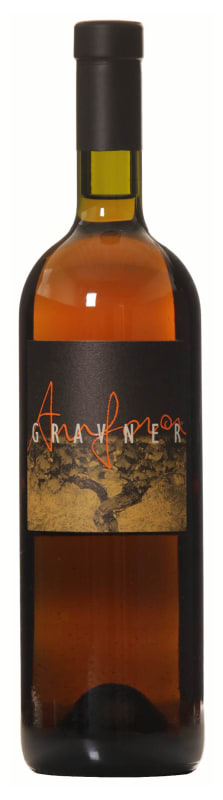


Winemaker Notes
Professional Ratings
-
Robert Parker's Wine Advocate
The Gravner 2018 Ribolla shows an immediately expressive and accessible profile, shaped by a relatively normal growing season with limited rainfall and a subtle presence of botrytis that contributes aromatic lift rather than overt sweetness. The wine is fully fermented and aged in amphorae, reflecting the estate’s complete transition to this method and its focus on purity and texture. There is notable intensity, with layered notes of candied apple, dried apricot, honey and a distinctive tartness from extended skin contact, while the palate remains dry with a gentle softness up front and a firm grip of white-wine tannin on the finish. The 2018 is more immediate in its expression compared to the sweeter, botrytis-influenced 2017 and benefits from air or a large glass to fully open its aromatic and structural complexity. Gravner continues to refine its vineyard holdings and gradually increase production, though recent vintages (like 2025) have seen challenges, such as significant rain-related losses, reinforcing the estate’s commitment to low yields and high-quality fruit. The 2018 vintage is the current release.
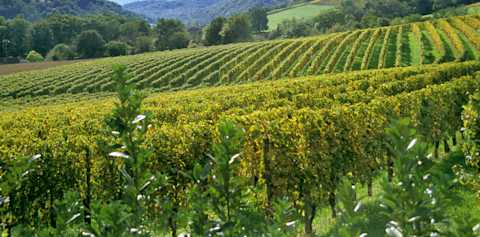
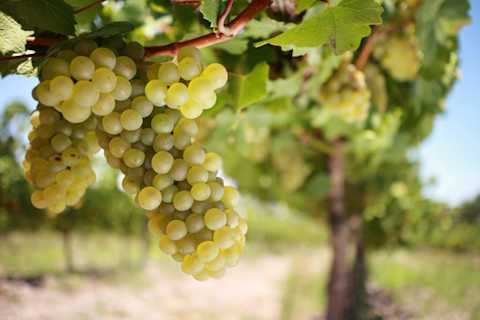
There are hundreds of white grape varieties grown throughout the world. Some are indigenous specialties capable of producing excellent single varietal wines. Each has its own distinct viticultural characteristics, as well as aroma and flavor profiles.
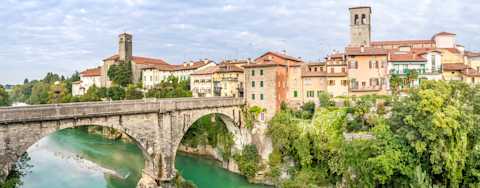
The source of some of Italy’s best and most distinctive white wines, Friuli-Venezia Giulia is where Italian, Germanic and Slavic cultures converge. The styles of wines produced in this region of Italy's far north-east reflect this merging of cultures. Often shortened to just “Friuli,” the area is divided into many distinct subzones, including Friuli Grave, Colli Orientali del Friuli, Collio Goriziano and Carso. The flat valley of Friuli Grave is responsible for a large proportion of the region’s wine production, particularly the approachable Pinot grigio and the popular Prosecco. The best vineyard locations are often on hillsides, as in Colli Orientali del Friuli or Collio. In general, Friuli boasts an ideal climate for viticulture, with warm sunny days and chilly nights, which allow grapes to ripen slowly and evenly.
In Colli Orientali, the specialty is crisp, flavorful white wine made from indigenous varieities like Friulano (formerly known as Tocai Friulano), Ribolla gialla and Malvasia Istriana.
Red wines, though far less common here, can be quite good, especially when made from the deeply colored, rustic Refosco variety. In Collio Goriziano, which abutts Slovenia, many of the same varieties are planted. International varieties like Merlot, Cabernet Sauvignon, and Cabernet Franc are also common, but they tend to be Loire-like in style with herbaceous character and mellow tannins. Carso’s star grape is the red Teranno, notable for being rich in iron content and historically consumed for health purposes. It has an earthy, meaty profile and is often confused with the distinct variety Refosco.