


Winemaker Notes
Professional Ratings
-
Robert Parker's Wine Advocate
The 2017 Bernkasteler Badstube Spätlese is generous, warm, ripe and intense on the nose. It is round and lush on the palate, with a creamy and mouth-filling texture, pretty tropical fruit and fine honey flavors and a salty-piquant drive. This is a rich and juicy but fresh, elegant and very promising Badstube with good mineral grip and tension. Tasted in March 2019.
-
Wine Spectator
A succulent Riesling, exuding peach, apricot and mineral aromas and flavors. Vibrant in structure and open-textured, delivering lots of pleasure. All the elements meet on the mouthwatering and long conclusion. Drink now through 2030.





Riesling possesses a remarkable ability to reflect the character of wherever it is grown while still maintaining its identity. A regal variety of incredible purity and precision, this versatile grape can be just as enjoyable dry or sweet, young or old, still or sparkling and can age longer than nearly any other white variety. Somm Secret—Given how difficult it is to discern the level of sweetness in a Riesling from the label, here are some clues to find the dry ones. First, look for the world “trocken.” (“Halbtrocken” or “feinherb” mean off-dry.) Also a higher abv usually indicates a drier Riesling.

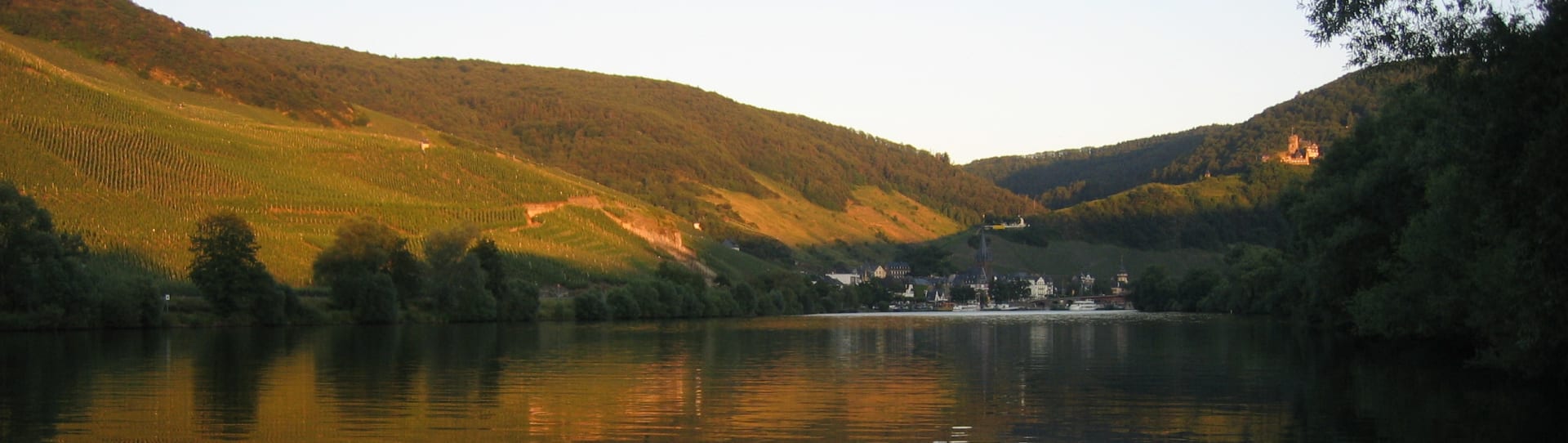
Following the Mosel River as it slithers and weaves dramatically through the Eifel Mountains in Germany’s far west, the Mosel wine region is considered by many as the source of the world’s finest and longest-lived Rieslings.
Mosel’s unique and unsurpassed combination of geography, geology and climate all combine together to make this true. Many of the Mosel’s best vineyard sites are on the steep south or southwest facing slopes, where vines receive up to ten times more sunlight, a very desirable condition in this cold climate region. Given how many twists and turns the Mosel River makes, it is not had to find a vineyard with this exposure. In fact, the Mosel’s breathtakingly steep slopes of rocky, slate-based soils straddle the riverbanks along its entire length. These rocky slate soils, as well as the river, retain and reflect heat back to the vineyards, a phenomenon that aids in the complete ripening of its grapes.
Riesling is by far the most important and prestigious grape of the Mosel, grown on approximately 60% of the region’s vineyard land—typically on the desirable sites that provide the best combination of sunlight, soil type and altitude. The best Mosel Rieslings—dry or sweet—express marked acidity, low alcohol, great purity and intensity with aromas and flavors of wet slate, citrus and stone fruit. With age, the wine’s color will become more golden and pleasing aromas of honey, dried apricot and sometimes petrol develop.
Other varieties planted in the Mosel include Müller-Thurgau, Spätburgunder (Pinot Noir) and Weissburgunder (Pinot Blanc), all performing quite well here.