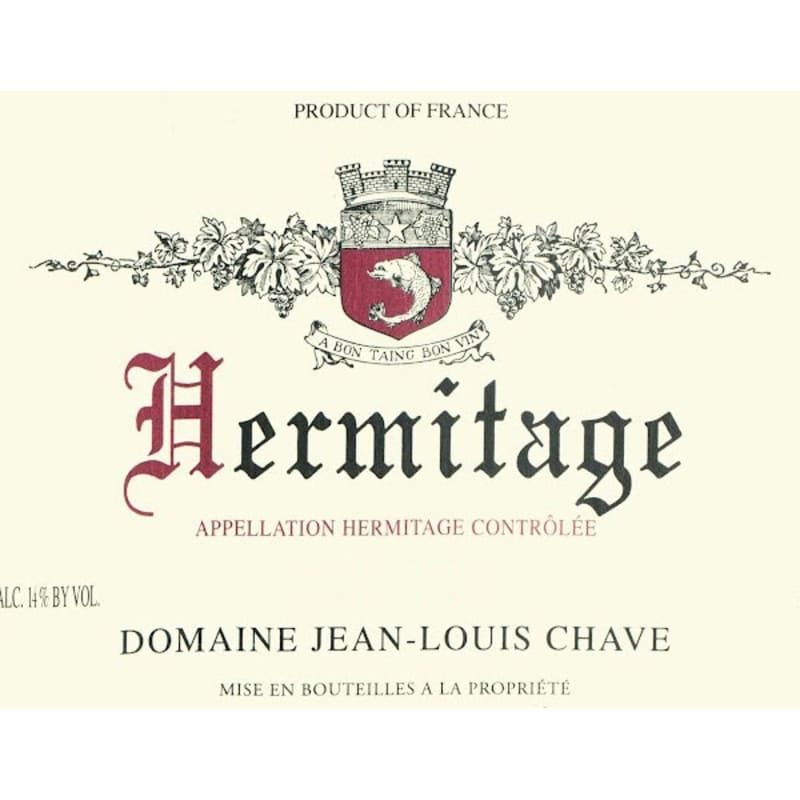

Winemaker Notes
Professional Ratings
-
Wine Enthusiast
In 1996 this extraordinary producer of Hermitage made a wine for the long haul. At release, it displayed superb fruit, bacon, anise, and tobacco flavors, all enveloped by huge tannins. Now it is going through a dumb stage, though the structure is there.
-
Wine Spectator
This has mouthwatering cut from the start, with white pepper, tobacco, iron and dried currant notes rippling along, showing still-vivacious acidity underneath and a long, mesquite- and cedar-filled finish that has excellent drive. This is a high-acid vintage and stands a bit apart from the flight stylistically.
-
Robert Parker's Wine Advocate
A late vintage that’s compared to 2013 by Jean-Louis, yet that carried more crop, the 1996 Hermitage is a juicy, medium-bodied effort that’s ready to go. Giving up classic herbed game, bacon fat and sweet fruit, it should continue to evolve gracefully, but there’s no reason to hold off here.


Marked by an unmistakable deep purple hue and savory aromatics, Syrah makes an intense, powerful and often age-worthy red. Native to the Northern Rhône, Syrah achieves its maximum potential in the steep village of Hermitage and plays an important component in the Red Rhône Blends of the south, adding color and structure to Grenache and Mourvèdre. Syrah is the most widely planted grape of Australia and is important in California and Washington. Sommelier Secret—Such a synergy these three create together, the Grenache, Syrah, Mourvedre trio often takes on the shorthand term, “GSM.”

One of the smallest and most important Syrah regions of northern Rhone, Hermitage is practically one single south-facing slope of crushed granite, thinly covered with varied, yet well-charted soil types. Many climats (well identified parcels) exist within Hermitage and while some smaller producers make single climat Syrahs, some larger ones blend to make one balanced expression of the appellation.
Though the AC regulations allow the addition of up to 15% white grapes to a red Hermitage, in practice it is usually made from Syrah alone. Winemaking is pretty traditional—or you might say historic—with hot fermentations and aging in older barrels of various sizes. The best wines, characterized by deep, dense and sexy flavors of black fruit, cocoa, licorice and tobacco, have massive textures and a solid 10-20 years aging potential.
The region of Hermitage is totally enclosed; the only place it could go really is to literally fall down its own hill into the city of Tain or the Rhone River. Soil erosion is a problem and terraces exist alongside the hill in order to keep the earth in place. Crozes-Hermitage encloses the region entirely to its north and south.
While Hermitage seems synonymous with some of the best Syrah on the planet, actually about one third of the wine produced here comes from white grapes. The full, lush and robust Marsanne or the less common, but almost more charming, Roussanne create wonderful whites in which the best have great potential for aging, like the reds.