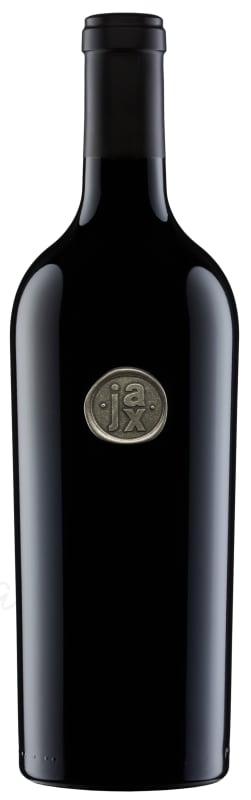


Winemaker Notes
The estate fruit was hand picked and gently processed using the winery's state-of-the-art Pellenc sorting and destemming system. The pristine, whole berry fruit was fermented in a concrete tank fermenter. Time on skins lasted 15-30 days. The finished wine was aged in 100% new, tight grained, French Oak barrels for 22 months. Bottled unflitered and unfined using 100 native spontaneous yeast. This wine will drink well for 15+ years.
Professional Ratings
-
Jeb Dunnuck
Based on 100% Cabernet Sauvignon from Calistoga that spent 22 months in 100% new French oak, the 2023 Cabernet Sauvignon Jax Estate Block 3 offers beautiful crème de cassis, classy oak, violets, and smoky tobacco, as well as a kiss of graphite on the nose. It's full-bodied on the palate and has a concentrated, layered mid-palate, the vintage's pure, focused mouthfeel, and ample tannins. I think it's clearly the standout in the lineup. It's going to benefit from 2-4 years of bottle age and see its 20th birthday in fine form. There are 125 cases produced. Drink 2027-2045.
Rating: 94+ -
James Suckling
Perfumed and concentrated, with aromas of blackberries, cassis, violets, graphite and cedar. The palate is full-bodied with fine tannins and balanced acidity, giving depth, precision and a savory finish. Focused and well structured, showing freshness from the vintage. Drink or hold.
-
Robert Parker's Wine Advocate
The 2023 Cabernet Sauvignon Estate Block 3 was matured in 100% new French oak and shows some mocha and vanilla notes as a result, along with black cherries and some briary notes. Full-bodied, concentrated and tannic, it's a fair beast of a wine. Will it evolve into something a bit more tame and elegant? I wouldn't bet on that, but it should be at least pretty drinkable in five years and probably an excellent glass of wine in 10.
-
Wine Enthusiast
Dense and darkly toned, this trademark Calistoga Cabernet offers the brooding, black fruits and dusty earth spice of its region swirled through cracked pepper and pencil lead. Robust tannins remain pliant and lengthy for an upfront while highly ageable wine.


A noble variety bestowed with both power and concentration, Cabernet Sauvignon enjoys success all over the globe, its best examples showing potential to age beautifully for decades. Cabernet Sauvignon flourishes in Bordeaux's Medoc where it is often blended with Merlot and smaller amounts of some combination of Cabernet Franc, Malbecand Petit Verdot. In the Napa Valley, ‘Cab’ is responsible for some of the world’s most prestigious, age-worthy and sought-after “cult” wines. Somm Secret—DNA profiling in 1997 revealed that Cabernet Sauvignon was born from a spontaneous crossing of Cabernet Franc and Sauvignon Blanc in 17th century southwest France.

One of Napa Valley’s oldest wine growing subregions but last to gain appellation status, Calistoga occupies the northernmost section of the valley. Beginning at the foot of Mount St. Helena, its vineyards stretch over steep canyons and roll out onto the valley floor. The soils in Calistoga are volcanic, which means they are heavy in minerals, low in organic matter and allow good drainage for vine roots, creating less green growth and more concentration of flavor within the grape berries.
Summer days are very hot but most nights cool down with moist ocean breezes sneaking in over the Mayacamas Mountains or from Knights Valley to its northwest.
Cabernet Sauvignon is the area’s star variety with Zinfandel coming in a strong second, though the latter commands far less price per tonnage so continues to be outshined by Cabernet in vineyard acreage, save for some important exceptions.