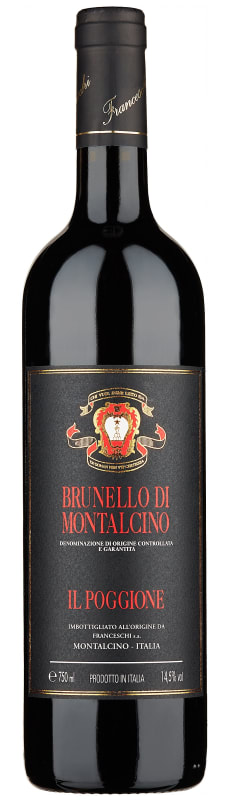


Winemaker Notes
Ruby red in color, with a very intense, persistent nose and with red fruit notes. Warm, balanced flavor with velvet-smooth tannins. Long-lasting aroma.
Professional Ratings
-
Vinous
The 2020 Brunello di Montalcino is explosive, bright and punchy at first, evolving from cranberry to cherry with dusty sage, spiced blood orange and Tuscan dust. The is pure elegance, texturally deep and nearly velvety in feel with a core of tart wild berries that add contrast as a balsamic tinge emerges along with fine-grained tannins toward the close. It finishes long, structured and staining, leaving a flinty sensation and primary core of fruit that drenches the palate as violet inner florals and hints of lavender abound. The 2020 is seamless from start to finish and, while more approachable than a typical vintage of Il Poggione, is balanced for an extended maturation.
-
Jeb Dunnuck
A saturated red color, the 2020 Brunello Di Montalcino is pretty and inviting with aromas of baked cherries, toasted spices, cedar, dark cocoa, and rosemary. Full-bodied, it retains an even spine of acidity, plush tannins, and a savory and sanguine, mouthwatering finish. Hints of iron-rich earth frame the wine beautifully, and it's a generous wine with a lot to enjoy over the coming 10-12 years.
-
James Suckling
A restrained mix of licorice and graphite, bright red cherries and toasted notes. Firm tannins on the medium- to full-bodied palate with refreshing acidity. Chewy style overall.
-
Robert Parker's Wine Advocate
Showing very nice results, with greater accessibility in this vintage, the Il Poggione 2020 Brunello di Montalcino has dark fruit aromas with blackcurrant followed by something spicy or herbal. I am reminded of licorice root, exotic spice, pressed rose and fragrant tea leaf. It finishes smoothly with silky tannins and an open-knit approach. This vintage is almost ready to drink, and you get elegant complexity at the same time. It sees three years in oak botti. Fruit is sourced across vineyards with 25-year-old-plus vines.
-
Wine Spectator
This red is rich and dense, woven with flavors of cherry, blackberry, plum, black pepper, earth, iron and tobacco. Combines power and grace, with fine balance. The finish echoes the fruit and spice notes. Best from 2028 through 2045. 16,000 cases made, 4,500 cases imported.
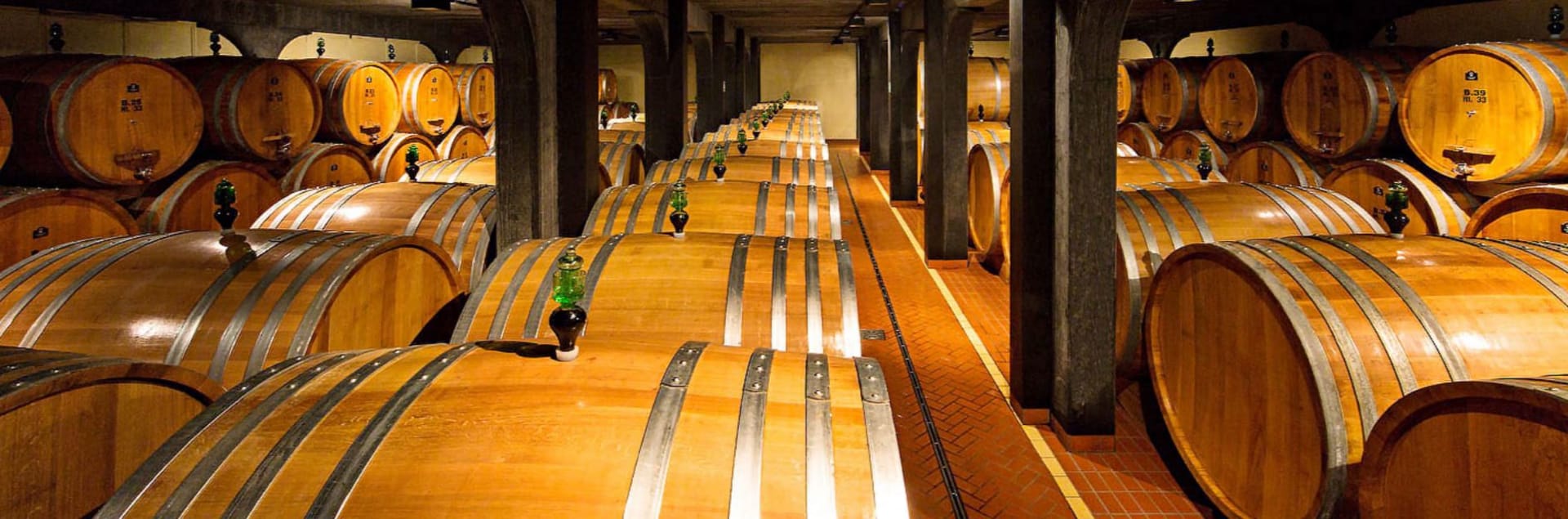


One of Tuscany’s most respected estates and a founding name in Brunello, Tenuta Il Poggione has been making wine in Montalcino since the late 19th century. Founded by Lavinio Franceschi, it is still family-owned today by fifth-generation siblings Leopoldo and Livia Franceschi.
As one of the original producers of Brunello di Montalcino, Il Poggione helped shape the region’s tradition of excellence. The 1,500-acre estate includes 300 acres of vineyards and 200 acres of olive groves, with many vineyards above 1,300 feet. Among them is the legendary Vigna Paganelli, planted in 1964 and one of the oldest vineyards in Montalcino.
Led by father-and-son winemakers Fabrizio and Alessandro Bindocci, Il Poggione pairs careful vineyard work and hand-harvested estate fruit with traditional winemaking and modern technology. The result is elegant, powerful, age-worthy wines that capture the character of Montalcino.
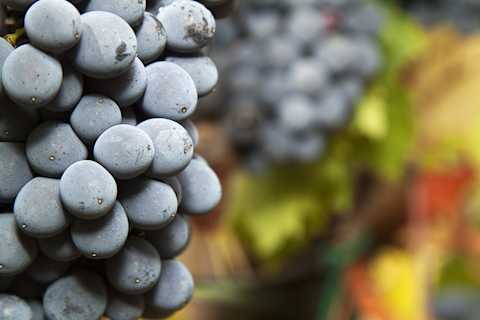
Among Italy's elite red grape varieties, Sangiovese has the perfect intersection of bright red fruit and savory earthiness and is responsible for the best red wines of Tuscany. While it is best known as the chief component of Chianti, it is also the main grape in Vino Nobile di Montepulciano and reaches the height of its power and intensity in the complex, long-lived Brunello di Montalcino. Somm Secret—Sangiovese doubles under the alias, Nielluccio, on the French island of Corsica where it produces distinctly floral and refreshing reds and rosés.
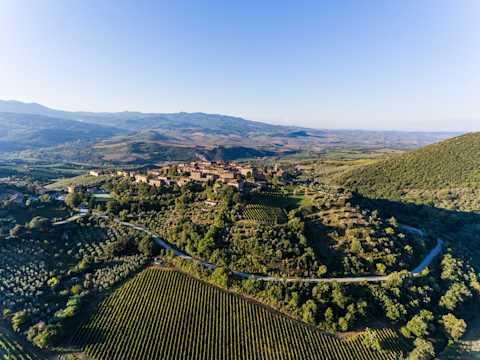
Famous for its bold, layered and long-lived red, Brunello di Montalcino, the town of Montalcino is about 70 miles south of Florence, and has a warmer and drier climate than that of its neighbor, Chianti. The Sangiovese grape is king here, as it is in Chianti, but Montalcino has its own clone called Brunello.
The Brunello vineyards of Montalcino blanket the rolling hills surrounding the village and fan out at various elevations, creating the potential for Brunello wines expressing different styles. From the valleys, where deeper deposits of clay are found, come wines typically bolder, more concentrated and rich in opulent black fruit. The hillside vineyards produce wines more concentrated in red fruits and floral aromas; these sites reach up to over 1,600 feet and have shallow soils of rocks and shale.
Brunello di Montalcino by law must be aged a minimum of four years, including two years in barrel before realease and once released, typically needs more time in bottle for its drinking potential to be fully reached. The good news is that Montalcino makes a “baby brother” version. The wines called Rosso di Montalcino are often made from younger vines, aged for about a year before release, offer extraordinary values and are ready to drink young.