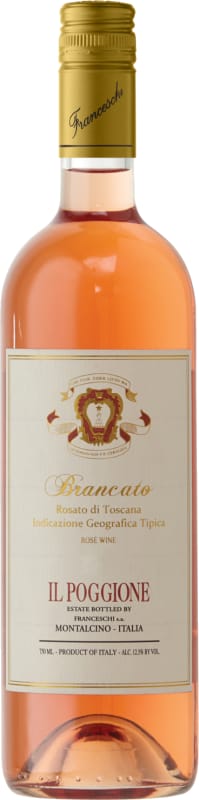


Winemaker Notes
Salmon color with amber highlights. Floral nose with notes of raspberry, strawberry and spices. Fresh on the palate, but with a pleasant roundness, this rosé flows onto the palate with an expressive core of perfumed cherries, spices and flowers.
Excellent as an aperitif, Brancato pairs well with seafood, vegetables and soft cheeses.
Professional Ratings
-
James Suckling
Deep raspberry colored rosé with aromas of cherries, dried strawberries and watermelon, with some lemon peel. It’s rich and fruity with a medium body and creamy finish.
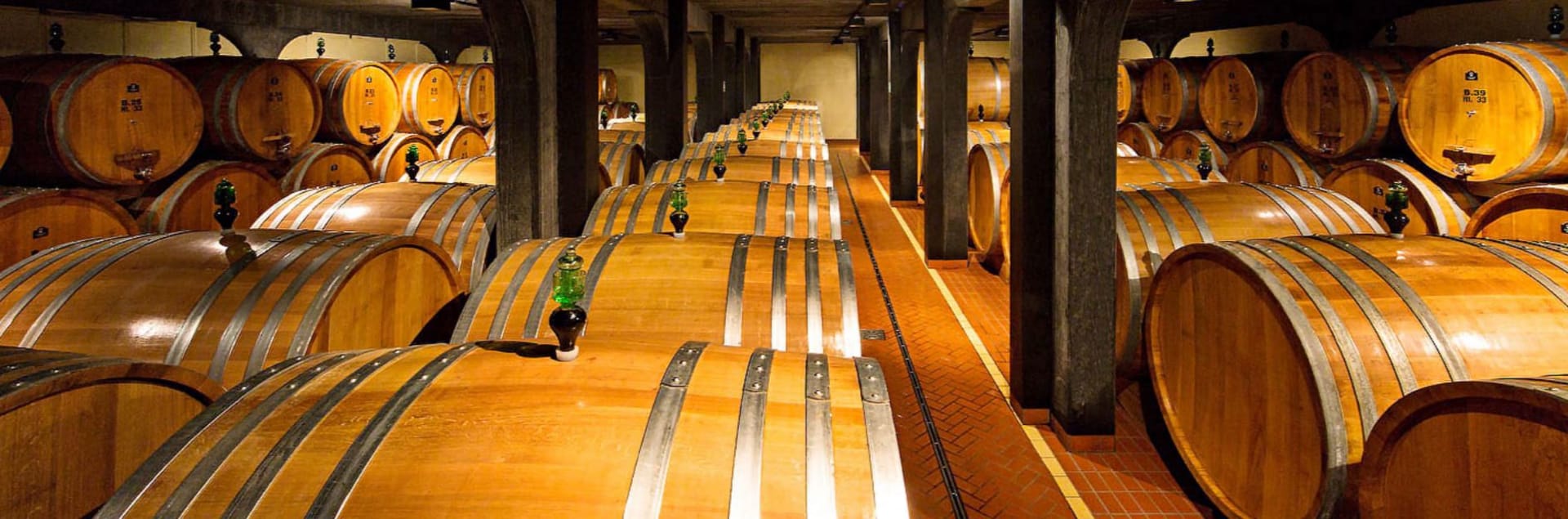


One of Tuscany’s most respected estates and a founding name in Brunello, Tenuta Il Poggione has been making wine in Montalcino since the late 19th century. Founded by Lavinio Franceschi, it is still family-owned today by fifth-generation siblings Leopoldo and Livia Franceschi.
As one of the original producers of Brunello di Montalcino, Il Poggione helped shape the region’s tradition of excellence. The 1,500-acre estate includes 300 acres of vineyards and 200 acres of olive groves, with many vineyards above 1,300 feet. Among them is the legendary Vigna Paganelli, planted in 1964 and one of the oldest vineyards in Montalcino.
Led by father-and-son winemakers Fabrizio and Alessandro Bindocci, Il Poggione pairs careful vineyard work and hand-harvested estate fruit with traditional winemaking and modern technology. The result is elegant, powerful, age-worthy wines that capture the character of Montalcino.

Whether it’s playful and fun or savory and serious, most rosé today is not your grandmother’s White Zinfandel, though that category remains strong. Pink wine has recently become quite trendy, and this time around it’s commonly quite dry. Since the pigment in red wines comes from keeping fermenting juice in contact with the grape skins for an extended period, it follows that a pink wine can be made using just a brief period of skin contact—usually just a couple of days. The resulting color depends on grape variety and winemaking style, ranging from pale salmon to deep magenta.
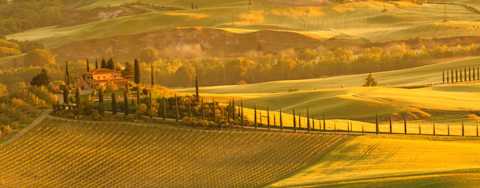
One of the most iconic Italian regions for wine, scenery and history, Tuscany is the world’s most important outpost for the Sangiovese grape. Tuscan wine ranges in style from fruity and simple to complex and age-worthy, Sangiovese makes up a significant percentage of plantings here, with the white Trebbiano Toscano coming in second.
Within Tuscany, many esteemed wines have their own respective sub-zones, including Chianti, Brunello di Montalcino and Vino Nobile di Montepulciano. The climate is Mediterranean and the topography consists mostly of picturesque rolling hills, scattered with vineyards.
Sangiovese at its simplest produces straightforward pizza-friendly Tuscan wines with bright and juicy red fruit, but at its best it shows remarkable complexity and ageability. Top-quality Sangiovese-based wines can be expressive of a range of characteristics such as sour cherry, balsamic, dried herbs, leather, fresh earth, dried flowers, anise and tobacco. Brunello, an exceptionally bold Tuscan wine, expresses well the particularities of vintage variations and is thus popular among collectors. Chianti is associated with tangy and food-friendly dry wines at various price points. A more recent phenomenon as of the 1970s is the “Super Tuscan”—a red wine made from international grape varieties like Cabernet Sauvignon, Merlot, Cabernet Franc and Syrah, with or without Sangiovese. These are common in Tuscany’s coastal regions like Bolgheri, Val di Cornia, Carmignano and the island of Elba.