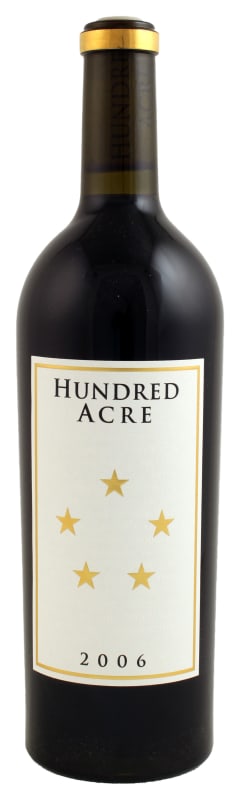


Winemaker Notes
Dark and luscious, this full-bodied and deeply concentrated wine exudes sweet, black cherries, black raspberries and hints of cassis, with melted chocolate, kirsch liqueur, roasted coffee and subtle earth. Wonderfully ripe, plush tannins follow in the lengthy, complex finish.
Professional Ratings
-
Robert Parker's Wine Advocate
Deep garnet in color, the 2006 Cabernet Sauvignon Kayli Morgan Vineyard jumps out of the glass with red and black cherry preserves, warm cassis and blackberry tart with hints of lilacs, rose hip tea and lamb dripping with rosemary and baking spices. Full-bodied, concentrated and wonderfully layered, it has a rock-solid frame of grainy tannins and great freshness, finishing long and mineral laced.
-
Wine Spectator
Aging beautifully, marked by a tight, firm structure and dusty, loamy tannins that provide backbone and muscle, this slowly uncoils to reveal spicy red cherry, raspberry and boysenberry notes that cascade on the finish. Ends with a crushed-rock, gravelly edge and tannins that give the flavors traction.


One of the most prestigious wines of the world capable of great power and grace, Napa Valley Cabernet is a leading force in the world of fine, famous, collectible red wine. Today the Napa Valley and Cabernet Sauvignon are so intrinsically linked that it is difficult to discuss one without the other. But it wasn’t until the 1970s that this marriage came to light; sudden international recognition rained upon Napa with the victory of the Stag’s Leap Wine Cellars 1973 Cabernet Sauvignon in the 1976 Judgement of Paris.
Cabernet Sauvignon undoubtedly dominates Napa Valley today, covering half of the land under vine, commanding the highest prices per ton and earning the most critical acclaim. Cabernet Sauvignon’s structure, acidity, capacity to thrive in multiple environs and ability to express nuances of vintage make it perfect for Napa Valley where incredible soil and geographical diversity are found and the climate is perfect for grape growing. Within the Napa Valley lie many smaller sub-AVAs that express specific characteristics based on situation, slope and soil—as a perfect example, Rutherford’s famous dust or Stags Leap District's tart cherry flavors.