

Winemaker Notes
The tropical fruit notes in this Chardonnay make it a perfect match for light seafood such as crab cakes or scallops with an avocado salsa and spicier Asian dishes. Richer dishes such as creamy crab and vegetable pasta will be enlivened by the crisp finish. The fresh, bright character of Hess Chardonnay makes this wine equally attractive to sip on its own.
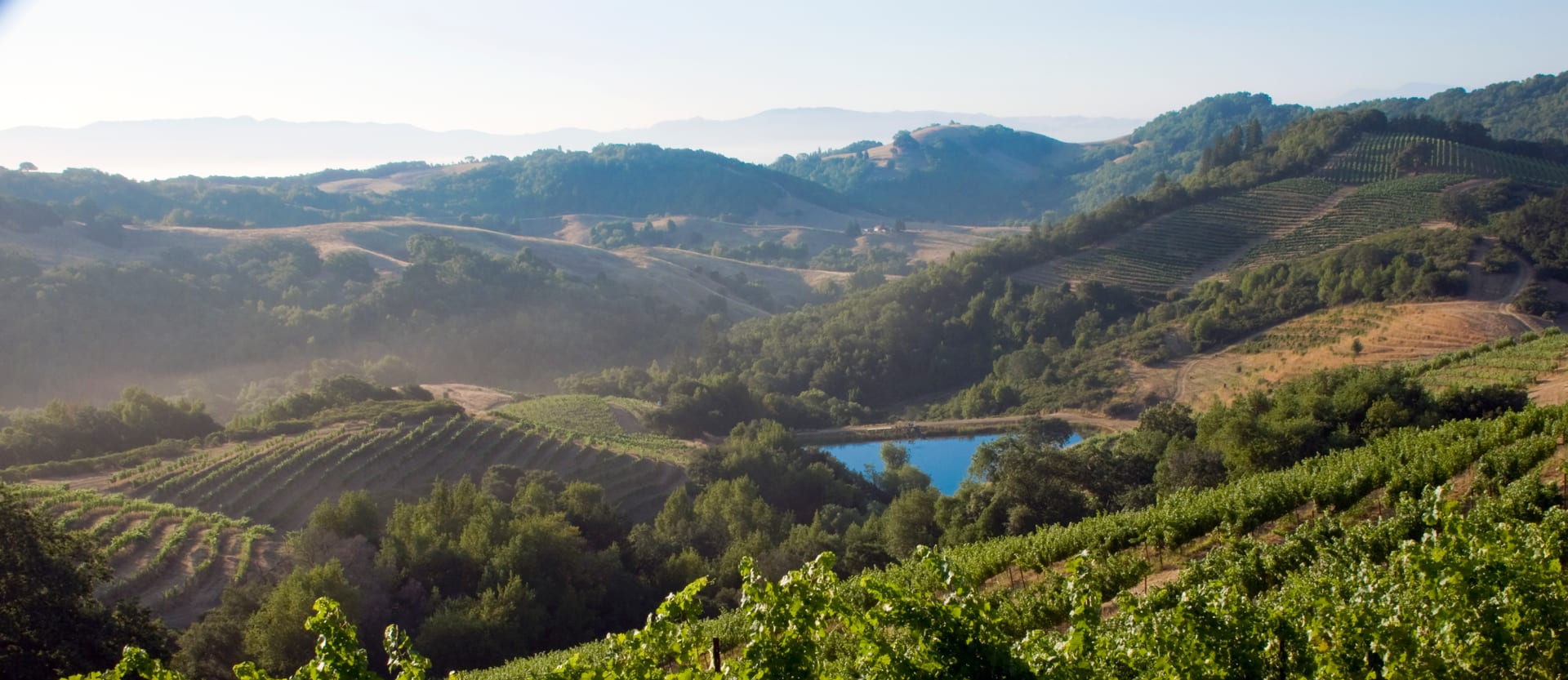




For over 40 years, The Hess Collection has been producing complex, elegant wines sourced from estate vineyards high on Mount Veeder and in the far reaches of the Napa Valley. It is from these rugged landscapes that The Hess Collection winemaking team crafts exceptional luxury wines.
A pioneer by nature, Donald Hess was determined to defy convention and pursue winemaking at elevation. In 1978, he established The Hess Collection Winery on the site of one of the region’s oldest wineries on Mount Veeder. Although few in Napa Valley were cultivating vines at elevation, Donald Hess believed the volcanic slopes of Mount Veeder provided the ideal combination of soils and microclimates to yield elegant wines with rich, complex flavors.
Today, the next generation of The Hess family continues Donald’s legacy at the winery's home on Mount Veeder.

One of the most popular and versatile white wine grapes, Chardonnay offers a wide range of flavors and styles depending on where it is grown and how it is made. While it tends to flourish in most environments, Chardonnay from its Burgundian homeland produces some of the most remarkable and longest lived examples. California produces both oaky, buttery styles and leaner, European-inspired wines. Somm Secret—The Burgundian subregion of Chablis, while typically using older oak barrels, produces a bright style similar to the unoaked style. Anyone who doesn't like oaky Chardonnay would likely enjoy Chablis.
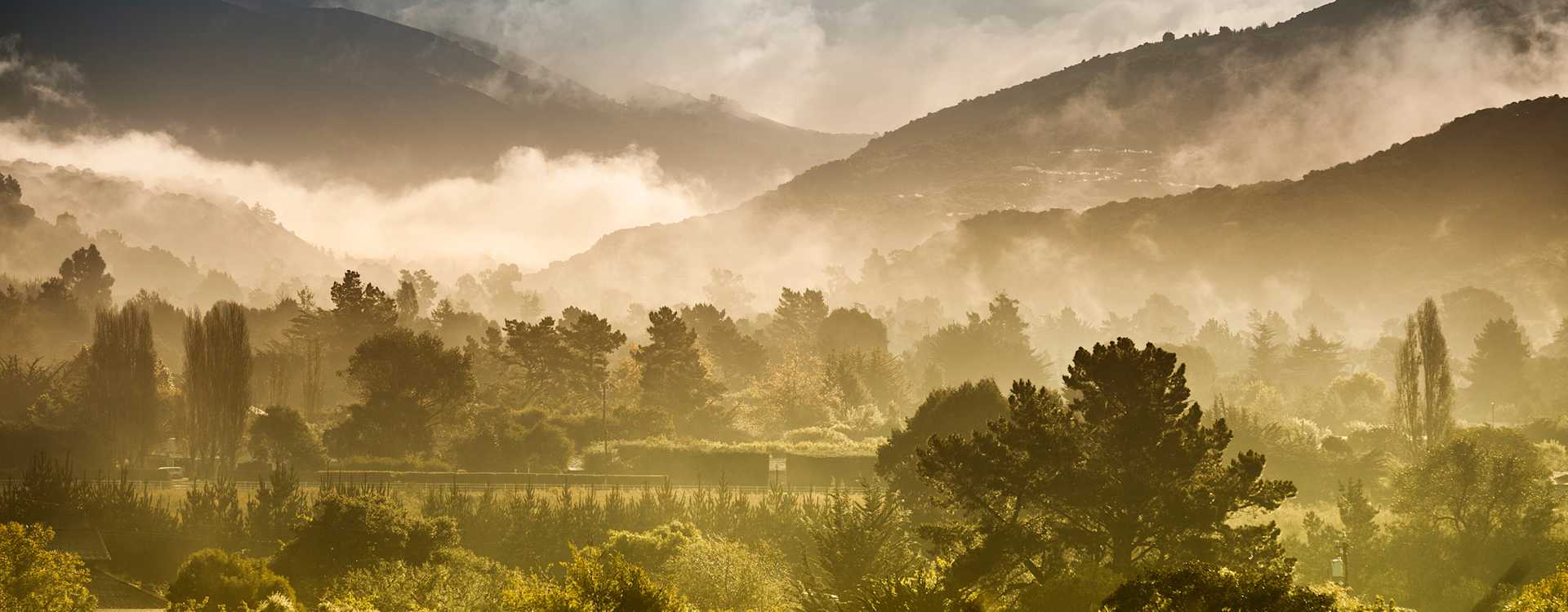
The largest and perhaps most varied of California’s wine-growing regions, the Central Coast produces a good majority of the state's wine. This vast California wine district stretches from San Francisco all the way to Santa Barbara along the coast, and reaches inland nearly all the way to the Central Valley.
Encompassing an extremely diverse array of climates, soil types and wine styles, it contains many smaller sub-AVAs, including San Francisco Bay, Monterey, the Santa Cruz Mountains, Paso Robles, Edna Valley, Santa Ynez Valley and Santa Maria Valley.
While the Central Coast California wine region could probably support almost any major grape varietiy, it is famous for a few Central Coast reds and whites. Pinot Noir, Chardonnay, Cabernet Sauvignon and Zinfandel are among the major ones. The Central Coast is home to many of the state's small, artisanal wineries crafting unique, high-quality wines, as well as larger producers also making exceptional wines.