

Winemaker Notes


Located in the Lower Alentejo region in the southern half of Portugal, between Vidigueira and Cuba, lies the estate of Herdade do Rocim on 100 hectares, 60 of which are under vine. Alentejo is sparsely populated and, in contrast to the rest of Portugal, has many large estates. The climate is continental, with hot summers and cold winters. Having fairly reliable weather combined with the large plots of available land equates to quality at an affordable price. Wheat is the most important crop grown here, but olive trees, cork trees and vineyards are all important agriculture here as well. Wines from Alentejo are becoming popular as consumers realize the great opportunities available here, and quality is improving exponentially. It is thought to be the new world inside the old world, with highly professional wineries using a scientific approach while respecting the terroir.
The Rocim estate was purchased in 2000 by Movicortes group, which is a Portuguese company that specializes in agricultural machinery, but has its roots in farming and vineyards. Catarina Vieira, daughter of the late Jose Ribeiro Vieira, the founder of the Movicortes group, has been coordinating the development of the estate. Catarina believes that Alentejo has the unique conditions required to produce world-class wines. With respect for the terrior and the natural resources there, they produce a freshness and minerality in the whites and an elegance and complexity in the reds.
In school, Catarina studied Agronomy in Italy and Oenology in Portugal. Her love for nature was instilled in her from a young age. Her grandfather on her mother’s side was a wine producer and merchant at Cortes, and her grandfather on her father’s side was in agriculture and also owned several vineyards in Alentejo. Since purchasing, they have invested greatly in the land by completely regenerating the vineyards and building a new state of the art winery. With a complete overhaul of the vineyards, they were able to plant higher-quality varietals, including international grapes such as Syrah and Cabernet, as well as the indigenous and local varietals.
After the Viera family took over the winery, they made a conscious decision to not only invest in the land and produce higher quality wine, but to also invest and make sustainable contributions to the development of the region. The winery was built with the future in mind, and they have continued to make improvements. Catarina and her team strive to create wines that are elegant, complex and strong. Inspired by her love and respect for her grandparents, her father and her family, her connection with nature, and a true and unwavering passion for wine, Catarina continues to push the limits in what was believed to be possible in Alentejo. She believes that Rocim has great potential in producing high quality wines with worldwide recognition, and has hopes of expanding the brand under the umbrella of quality for the region. She has created a project that gives value not only to Alentejo, but to Portugal as a whole.
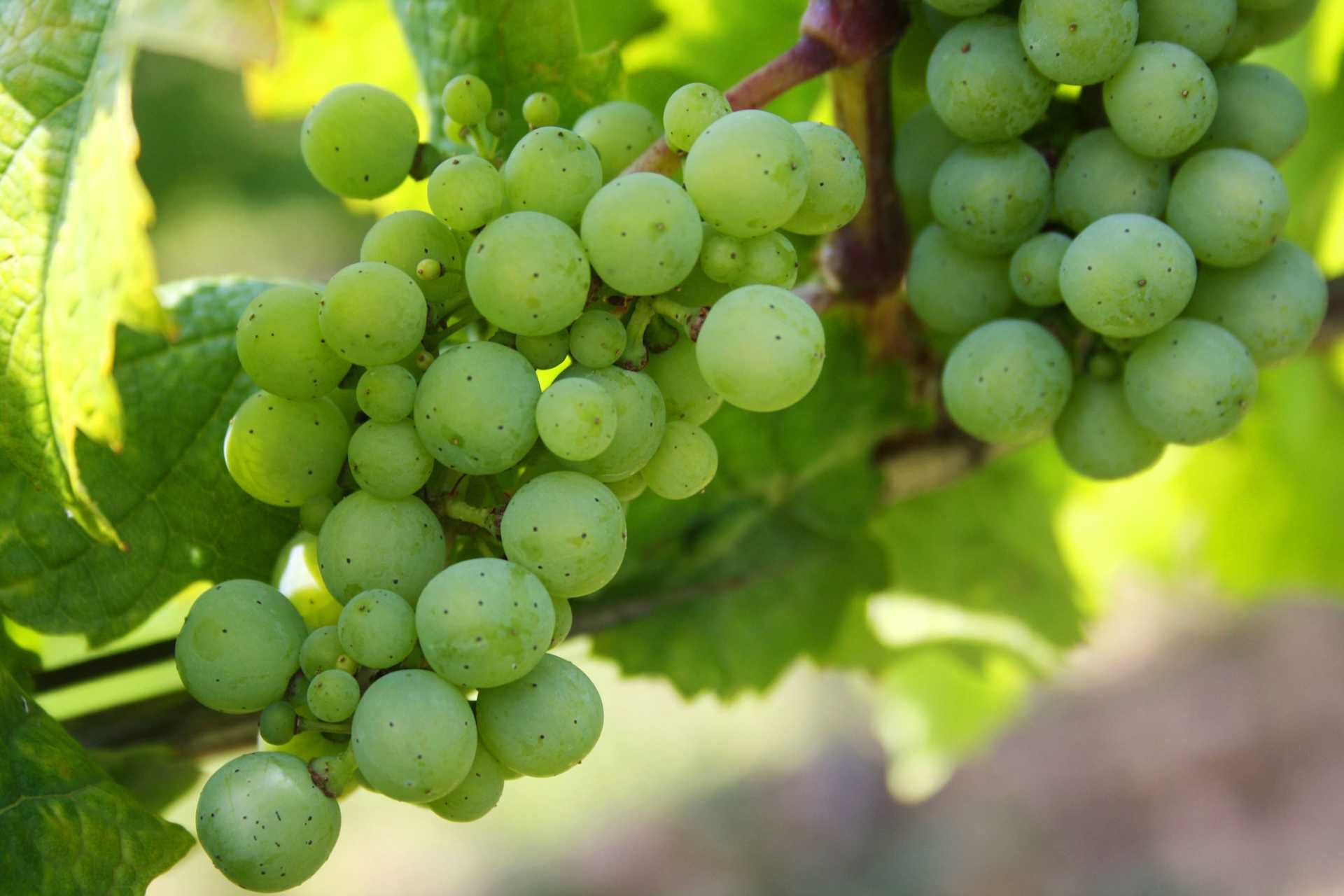
With hundreds of white grape varieties to choose from, winemakers have the freedom to create a virtually endless assortment of blended white wines. In many European regions, strict laws are in place determining the set of varieties that may be used in white wine blends, but in the New World, experimentation is permitted and encouraged. Blending can be utilized to enhance balance or create complexity, lending different layers of flavors and aromas. For example, a variety that creates a soft and full-bodied white wine blend, like Chardonnay, would do well combined with one that is more fragrant and naturally high in acidity. Sometimes small amounts of a particular variety are added to boost color or aromatics. Blending can take place before or after fermentation, with the latter, more popular option giving more control to the winemaker over the final qualities of the wine.

Best known for intense, impressive and age-worthy fortified wines, Portugal relies almost exclusively on its many indigenous grape varieties. Bordering Spain to its north and east, and the Atlantic Ocean on its west and south coasts, this is a land where tradition reigns supreme, due to its relative geographical and, for much of the 20th century, political isolation. A long and narrow but small country, Portugal claims considerable diversity in climate and wine styles, with milder weather in the north and significantly more rainfall near the coast.
While Port (named after its city of Oporto on the Atlantic Coast at the end of the Douro Valley), made Portugal famous, Portugal is also an excellent source of dry red and white Portuguese wines of various styles.
The Douro Valley produces full-bodied and concentrated dry red Portuguese wines made from the same set of grape varieties used for Port, which include Touriga Nacional, Tinta Roriz (Spain’s Tempranillo), Touriga Franca, Tinta Barroca and Tinto Cão, among a long list of others in minor proportions.
Other dry Portuguese wines include the tart, slightly effervescent Vinho Verde white wine, made in the north, and the bright, elegant reds and whites of the Dão as well as the bold, and fruit-driven reds and whites of the southern, Alentejo.
The nation’s other important fortified wine, Madeira, is produced on the eponymous island off the North African coast.