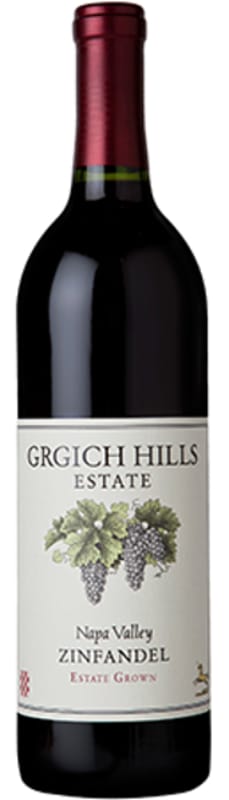


Winemaker Notes
We co-fermented the Zinfandel with a touch of Petite Sirah to add complexity and structure and then aged the wine in large oak casks so the flavors are well integrated but not overwhelmed by oak. This food-friendly Zinfandel’s fresh flavors of ripe blackberries, black cherries and a hint of pepper on the long finish is the perfect match for grilled meats with barbecue sauce, sausage pizza and hearty pastas.
Blend: 97% Zinfandel, 3% Petite Sirah
Professional Ratings
-
Wine Enthusiast
Fresh and earthy, despite a complete embrace of ripeness, this complex red is lovely and memorable in a constructed blur of dried herb, wild strawberry and vanilla. The oak is integrated and supportive, helping to echo a delightful nuance of white pepper.
-
Wilfred Wong of Wine.com
Not your garden variety Zin, the 2013 Grgich Hills Zinfandel—made with organically grown grapes and fermented with indigenous yeasts—is wildly beautiful. The wine's red and blackberries, brown leaves, and savory earth pair nicely with grilled pork ribs and a piquant dipping sauce. (Tasted: November 7, 2017, San Francisco, CA)
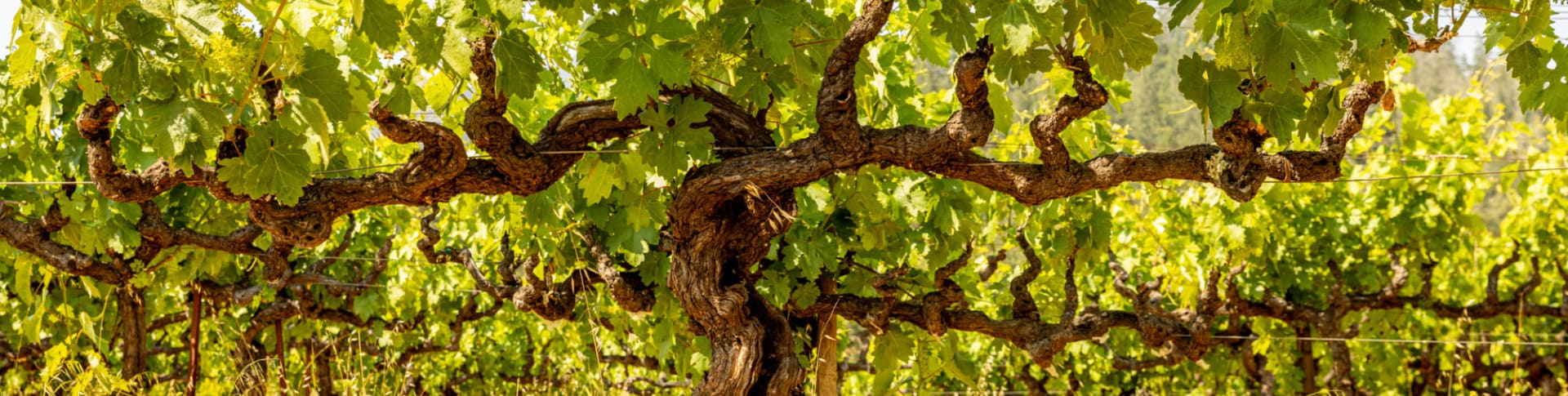




As a family-owned and operated winery, Grgich Hills Estate is committed to crafting wines of the highest standard and consistency. Their dedication to these principles has led to the achievement of Regenerative Organic Certification for all five of their estate vineyards in December 2022. This system prioritizes the long-term health and longevity of their vines, revitalizes the land, and allows for the creation of wines that are unmatched in their quality and expression of terroir.
It is with a spirit of curiosity, discovery, and excellence that Miljenko “Mike” Grgich and partner Austin Hills founded Grgich Hills Estate in 1977, after Mike’s Chateau Montelena Chardonnay won the famed 1976 Paris Tasting. These values propel Grgich Hills Estate forward as they continue to make exquisite wines, while pioneering a sustainable future for Napa Valley.

Undoubtedly proving its merit over and over, Napa Valley is a now a leading force in the world of prestigious red wine regions. Though Cabernet Sauvignon dominates Napa Valley, other red varieties certainly thrive here. Important but often overlooked include Merlot and other Bordeaux varieties well-regarded on their own as well as for their blending capacities. Very old vine Zinfandel represents an important historical stronghold for the region and Pinot noir is produced in the cooler southern parts, close to the San Pablo Bay.
Perfectly situated running north to south, the valley acts as a corridor, pulling cool, moist air up from the San Pablo Bay in the evenings during the hot days of the growing season, which leads to even and slow grape ripening. Furthermore the valley claims over 100 soil variations including layers of volcanic, gravel, sand and silt—a combination excellent for world-class red wine production.