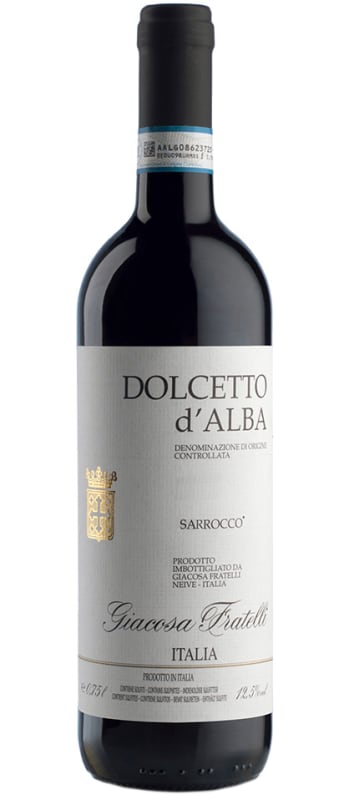


Winemaker Notes
Although Dolcetto means "little sweet one" in Italian, it does not translate to sweet wines. Fresh, fruity and slightly earthy. Notes of blackberry and raspberry on the palate. Dry with moderate acidity.
A versatile pairing wine. Try with pastas, risotto or roasted chicken.
Professional Ratings
-
James Suckling
Raspberries, oranges, crushed stones and lavender on the nose. Bright and structured, medium-bodied, with a firm tannin frame and a tight finish. Try in 2024.
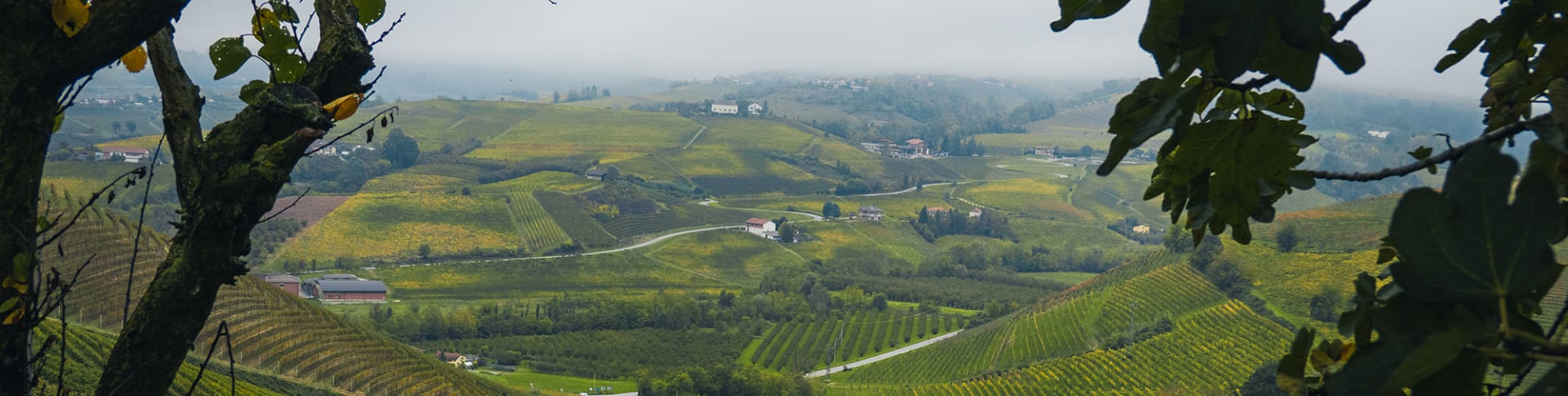


Giacosa Fratelli is a fifth-generation, family-owned winery in Piedmont, Italy, where tradition, place, and sustainability come together in every bottle.
The story begins in 1895, when Giuseppe Giacosa—a local sharecropper—won the Italian lottery and used the prize to buy a small winery in Neive. More than a century later, the Giacosa family still farms these same hills, now led by brothers Maurizio and Paolo alongside the next generation, twins Alessandro and Mauro.
Today, Giacosa Fratelli owns organic vineyards across some of Piedmont's most celebrated appellations, including Monforte d'Alba and Castiglione Falletto in Barolo, and Neive in Barbaresco. Their vines grow in highly prized sites such as the Scarrone cru (Castiglione Falletto) — an elevated, south-facing hillside known for producing wines of depth, elegance, and remarkable aging potential. Additional vineyards, like Bussia (Monforte d'Alba) and Gianmate (Neive) allow the family to craft a diverse lineup that truly reflects Piedmont's terroir.
What truly sets Giacosa Fratelli apart is their deep commitment to sustainability. The winery is powered by solar energy, captures its own CO2 emissions, and uses rainwater recycling for irrigation. Organic viticulture and lightweight bottles further reduce their environmental footprint.
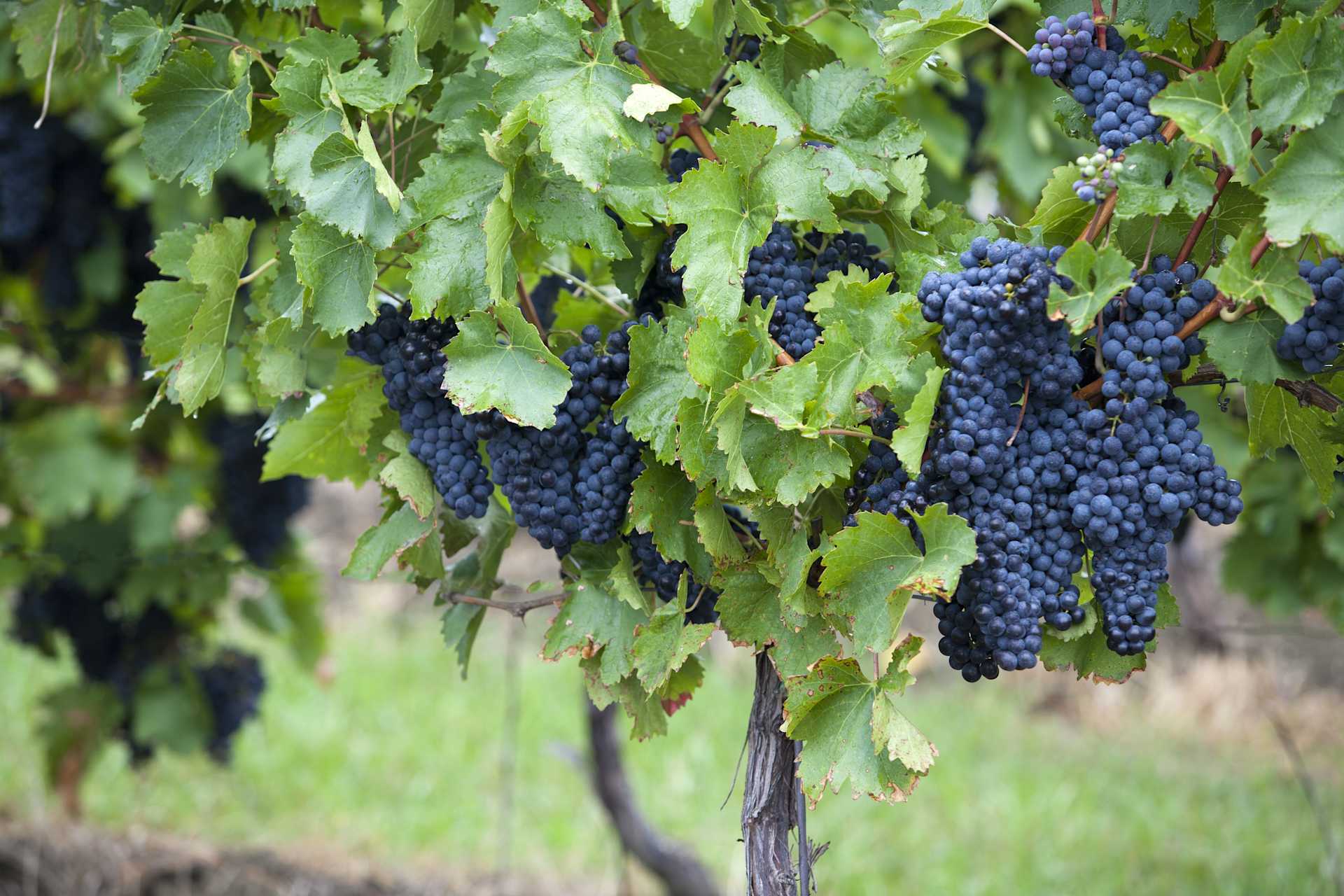
An easy drinking red with soft fruity flavors—but catchy tannins, Dolcetto is often enjoyed in its native Piedmont on a casual weekday night, or for apertivo (the canonical Piedmontese pre-dinner appetizer hour). Somm Secret—In most of Piedmont, easy-ripening Dolcetto is relegated to the secondary sites—the best of which are reserved for the king variety: Nebbiolo. However, in the Dogliani zone it is the star of the show, and makes a more serious style of Dolcetto, many of which can improve with cellar time.

An historic village situated right in between the famous regions of Barolo and Barbaresco, Alba is also the name for the larger wine region surrounding the village.
In a sense, “Alba” is a catch-all phrase, and includes the declassified Nebbiolo wines made in Barolo and Barbaresco, as well as the Nebbiolo grown just outside of these regions’ borders. In fact, Nebbiolo d’Alba is a softer, less tannic and more fruit-forward wine ready to drink within just a couple years of bottling. It is a great place to start if you want to begin to understand the grape. Likewise, the even broader category of Langhe Nebbiolo offers approachable and value-driven options as well.
Barbera, planted alongside Nebbiolo in the surrounding hills, and referred to as Barbera d’Alba, takes on a more powerful and concentrated personality compared to its counterparts in Asti.
Dolcetto is ubiquitous here and, known as Dolcetto d'Alba, can be found casually served alongside antipasti on the tables of Alba’s cafes and wine bars.
Not surprisingly, given its location, Alba is recognized as one of Italy’s premiere culinary destinations and is the home of the fall truffle fair, which attracts visitors from worldwide every year.