

Winemaker Notes
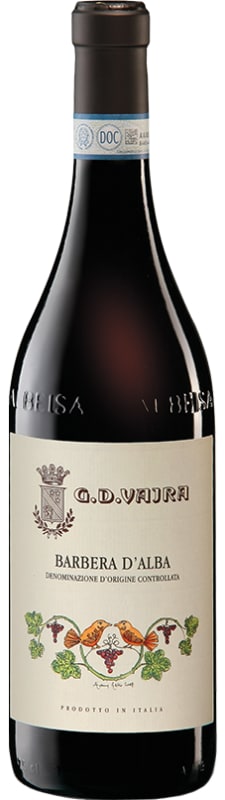
G.D. Vajra Barbera d'Alba comes from a wonderful range of estate vineyards. It is fermented for an average of 20 days and ages no less than twelve months, in respect of the rhythm of nature. This is a fine blend, a charming wine, rich yet forward.
Professional Ratings
-
Jeb Dunnuck
A jeweled magenta/ruby hue, the 2024 Barbera D'Alba offers aromas of black raspberries and crushed flowers. Medium-bodied, it’s refreshing yet ripe, with a subtle roundness and silky, stony texture that carries through the finish.
-
Wine Spectator
Cherry, raspberry, violet and mineral flavors mark this perfumed red, which is racy and elegant, with defining acidity and a persistent finish.
-
Robert Parker's Wine Advocate
The G.D. Vajra 2024 Barbera d'Alba is super fresh and primary, exactly as this wine was intended. From a cool and rainy vintage, this easy red draws fruit from various sites, and winemaking is simple in order to facilitate a quick bottling and release schedule. What it lacks in depth and complexity, it makes up for in brightness and approachability. This is a simple but very charming Barbera.
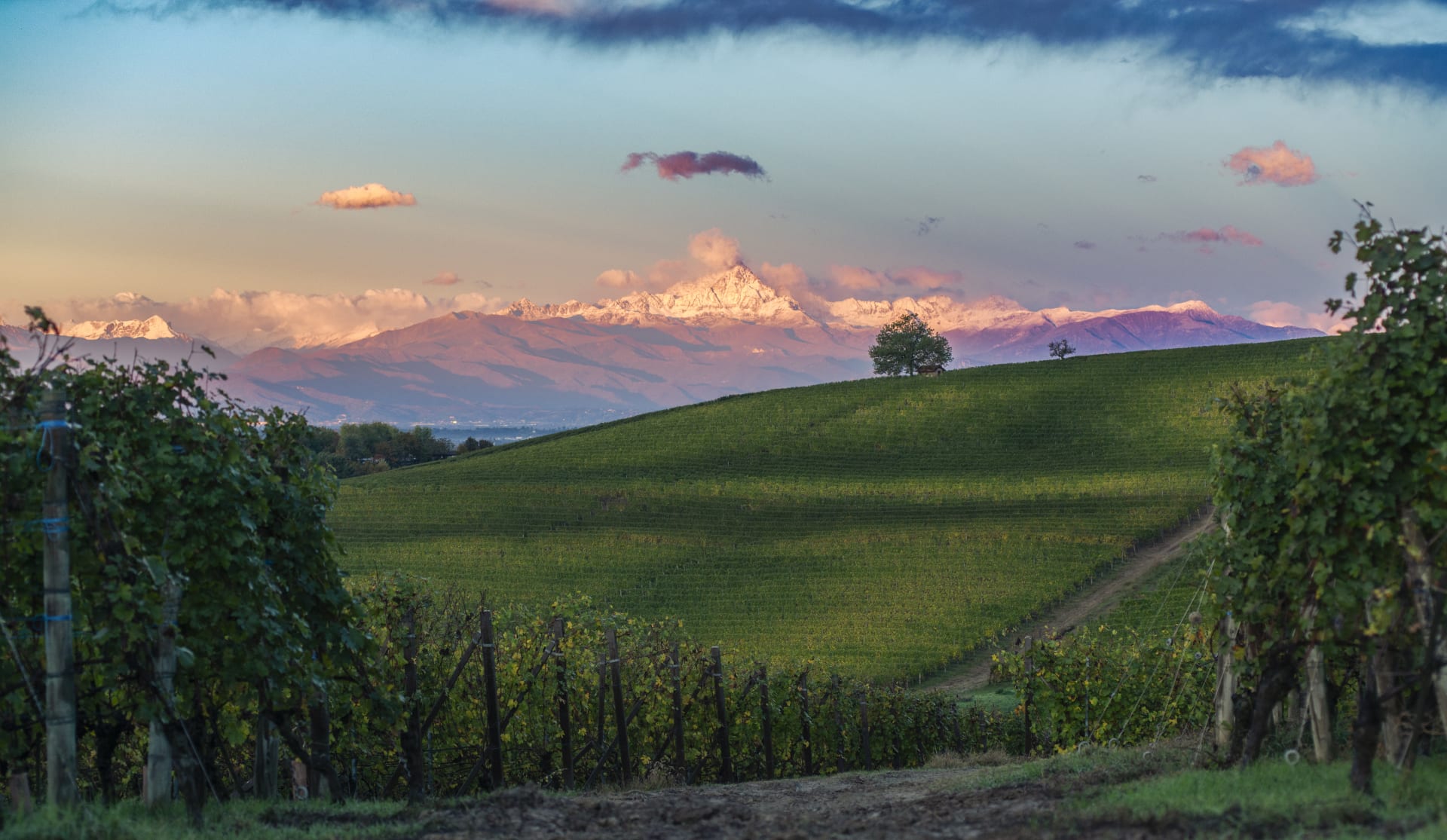


The Vajra family has farmed Bricco delle Viole, the highest cru in Comune di Barolo, since the 1880s. At the young age of fifteen, Aldo Vajra embraced the dream to revive his family legacy. Displaying a vision and commitment belying his young age he took over the estate in 1968, turning a new page.
Aldo soon acquired the first organic certification of the region (1971), created private biotype selections (selezioni massali) of Nebbiolo and Dolcetto, pioneered the renaissance of Freisa, a noble yet forgotten local grape (1980) and the cultivation of Rhine Riesling in Piemonte (1985).
Today, the Vajra family continues the vineyard research focusing on the influence of soil and climate change. The winery is trail-blazing the rediscovery of Chiaretto di Nebbiolo and the wines of the 17th century – long before Barolo was created - through two limited-production wines: "N.S. della Neve" (a champagne-method rosé brut) and "Claré J.C.", a partial whole-cluster fermentation of pure Nebbiolo.
High elevation vineyards are a unique factor to the Vajra wines, for their ability to express finesse and remarkable complexity over power.
Attention to details and humility towards the nature, uncompromised efforts and humanity: so are Aldo and Milena, now joined by their energetic children Giuseppe, Francesca and Isidoro, and by an amazing team of young professionals, in their quest for an authentic expression of their land into the wines. G.D. Vajra is an independent winery, entirely family-owned.
The winery quality focus grows during the years, SNQPI (2016) and Equalitas (2022) joined their certifications pack, the research on the flora and fauna, the improvement of biodiversity and the preservation of the old vines are a part of their everyday life and the future goal. G.D. Vajra is an independent winery, entirely family-owned.

Friendly and approachable, Barbera produces wines in a wide range of styles, from youthful, fresh and fruity to serious, structured and age-worthy. Piedmont is the most famous source of Barbera; those from Asti and Alba garner the most praise. Barbera actually can adapt to many climates and enjoys success in some New World regions. Somm Secret—In the past it wasn’t common or even accepted to age Barbera in oak but today both styles—oaked and unoaked—abound and in fact most Piedmontese producers today produce both styles.

An historic village situated right in between the famous regions of Barolo and Barbaresco, Alba is also the name for the larger wine region surrounding the village.
In a sense, “Alba” is a catch-all phrase, and includes the declassified Nebbiolo wines made in Barolo and Barbaresco, as well as the Nebbiolo grown just outside of these regions’ borders. In fact, Nebbiolo d’Alba is a softer, less tannic and more fruit-forward wine ready to drink within just a couple years of bottling. It is a great place to start if you want to begin to understand the grape. Likewise, the even broader category of Langhe Nebbiolo offers approachable and value-driven options as well.
Barbera, planted alongside Nebbiolo in the surrounding hills, and referred to as Barbera d’Alba, takes on a more powerful and concentrated personality compared to its counterparts in Asti.
Dolcetto is ubiquitous here and, known as Dolcetto d'Alba, can be found casually served alongside antipasti on the tables of Alba’s cafes and wine bars.
Not surprisingly, given its location, Alba is recognized as one of Italy’s premiere culinary destinations and is the home of the fall truffle fair, which attracts visitors from worldwide every year.