Winemaker Notes
Sources considered for this blend are Pine Mountain Vineyards, Bradford Mountain, Ladi's Vineyard, Redwood Hill and Calypso Vineyard. Lots not chosen for this very limited blend are bottled as varietal Merlots or Cabernet Sauvignons.
40% Cabernet Sauvignon - Sonoma County 31% Bradford Mountain 5% Pine Mountain 4% Ladi's Vineyard 34% Merlot - Sonoma County 19% Ladi's Vineyard 15% Calypso Vineyard 26% Cabernet Franc - Sonoma County / Pine Mountain
These grapes were harvested between October 7th and October 29th, with an average sugar content of 24.1 degrees brix, .81 gm/100 ml total titratable acidity and 3.41 pH. As a winemaker, I take great pride in the creation of this blend. We have so many tremendous vineyard lots to work with, and tasting them in combination can bring out the finest attributes of each component.
Dan Berger describes this wine, "Remarkable aroma of herbs, violets, black cherry and rich flavors. Excellent!" As with previous vintages, this wine offers excellent complexity and intensity, while maintaining the supple elegance and rich textural elements so important in all our releases. This 1998 vintage is a classic example of how wines can be crafted which possess tremendous extraction and structure, while not being overpowered by tannins and alcohol. Precise acidity provides freshness to a central core of complex fruit and spice elements. While this wine pleads for years of careful cellaring, it also offers tremendous enjoyment for through its vibrant fruit components when consumed young.



Imagine a winemaking region just hours north of San Francisco rich in diversity and distinctive terroir, a well-kept secret tucked amongst the towering redwoods and influenced by the Pacific Ocean. Over half a century ago, pioneering growers recognized the Russian River Valley as a place that just might produce Pinot Noir that rivaled the villages of Burgundy. After decades of winemaking and selective planting, their valley has become internationally known for producing Pinot that is distinctly American and reflects the natural influences of their terroir.
Gary Farrell Winemaker, Theresa Heredia, grape growers and other winemakers within the Russian River Valley have always recognized that certain regions of the valley produced distinctly different wines. Since the 2014 Vintage, they have been monitoring whether characteristics like aroma, texture and others can be attributed to specific sections of the Valley. This deep dive into Russian River Pinot Noir has become the Neighborhoods Initiative that is also a hallmark of their Single Vineyard winemaking, and their elevated Salon experiences.
The concept of a neighborhood is truly an American idea, and is more concerned with defining the characteristics a specific cluster of vineyards produce than defining the geographical boundaries. It’s both a sense of community and terroir at the same time

With hundreds of red grape varieties to choose from, winemakers have the freedom to create a virtually endless assortment of blended red wines. In many European regions, strict laws are in place determining the set of varieties that may be used, but in the New World, experimentation is permitted and encouraged resulting in a wide variety of red wine styles. Blending can be utilized to enhance balance or create complexity, lending different layers of flavors and aromas. For example, a red wine blend variety that creates a fruity and full-bodied wine would do well combined with one that is naturally high in acidity and tannins. Sometimes small amounts of a particular variety are added to boost color or aromatics. Blending can take place before or after fermentation, with the latter, more popular option giving more control to the winemaker over the final qualities of the wine.
How to Serve Red Wine
A common piece of advice is to serve red wine at “room temperature,” but this suggestion is imprecise. After all, room temperature in January is likely to be quite different than in August, even considering the possible effect of central heating and air conditioning systems. The proper temperature to aim for is 55° F to 60° F for lighter-bodied reds and 60° F to 65° F for fuller-bodied wines.
How Long Does Red Wine Last?
Once opened and re-corked, a bottle stored in a cool, dark environment (like your fridge) will stay fresh and nicely drinkable for a day or two. There are products available that can extend that period by a couple of days. As for unopened bottles, optimal storage means keeping them on their sides in a moderately humid environment at about 57° F. Red wines stored in this manner will stay good – and possibly improve – for anywhere from one year to multiple decades. Assessing how long to hold on to a bottle is a complicated science. If you are planning long-term storage of your reds, seek the advice of a wine professional.
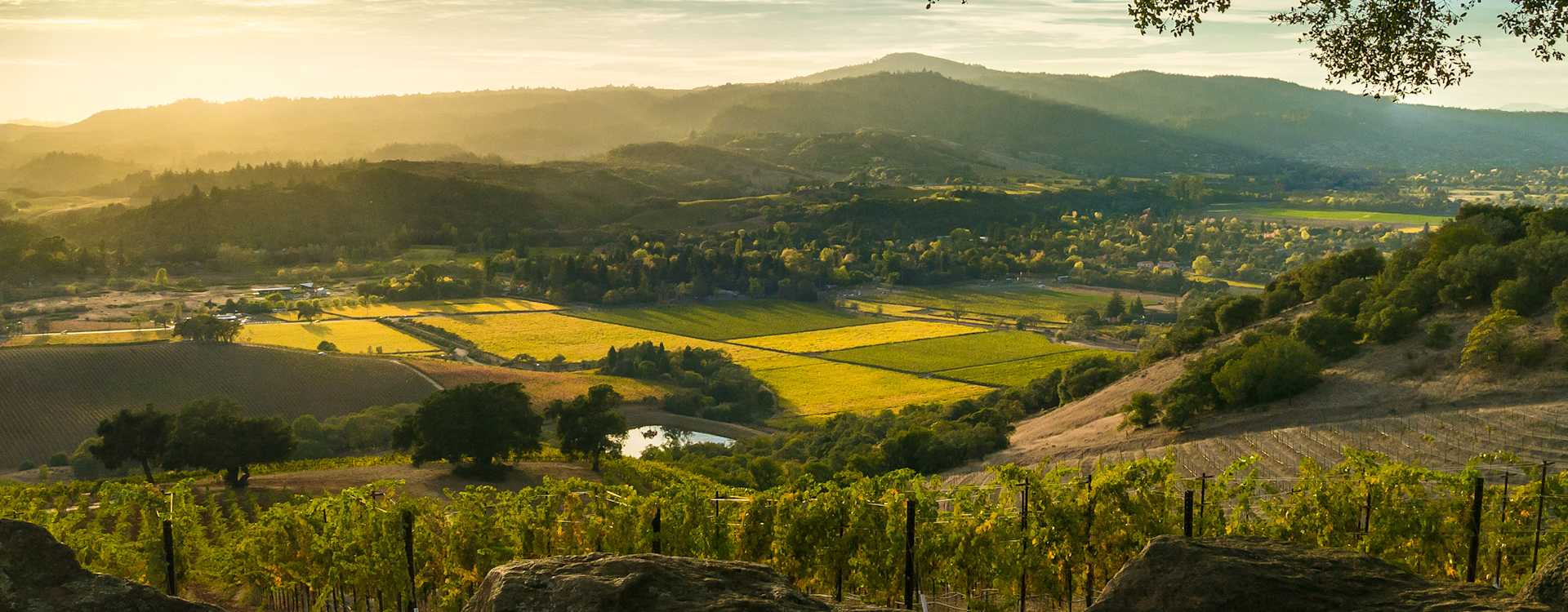
Home to a diverse array of smaller AVAs with varied microclimates and soil types, Sonoma County has something for every wine lover. Physically twice as large as Napa Valley, the region only produces about half the amount of wine but boasts both tremendous quality and variety. With its laid-back atmosphere and down-to-earth attitude, the wineries of Sonoma are appreciated by wine tourists for their friendliness and approachability. The entire county intends to become a 100% sustainable winegrowing region by 2019.
Sonoma County wines are produced with carefully selected grape varieties to reflect the best attributes of their sites—Dry Creek Valley’s consistent sunshine is ideal for Zinfandel, while the warm Alexander Valley is responsible for rich, voluptuous red wines like Cabernet Sauvignon. Chardonnay and Pinot Noir are important throughout the county, most notably in the cooler AVAs of Russian River, Sonoma Coast and Carneros. Sauvignon Blanc, Merlot and Syrah have also found a firm footing here.