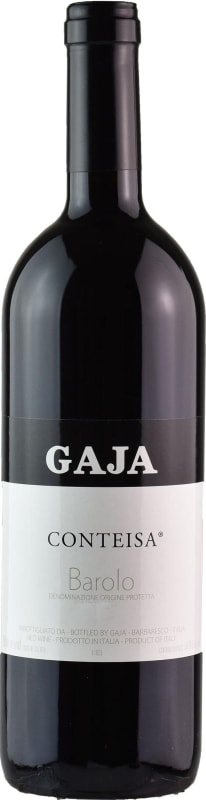


Winemaker Notes
Very expressive on the nose, with a sweetness that almost resembles honey; complex and fresh notes reminiscent of cherry, blackberry, and dark fruit. On the palate, it is harmonious, characterized by fullness and a rich, velvety body; the tannins are very sweet, persistent but not overpowering.
Professional Ratings
-
Jeb Dunnuck
The bright red 2021 Barolo Conteisa is highly expressive and ramps up the volume on the nose. It makes a statement with its aromas of wild spice, redcurrants, cherries, ripe tannins, and intense ripe orange fruit. It has a lot of clarity but offers dramatic intensity and completeness, with mouthwatering acidity, angular tannins, and a fantastically long finish. Flirting with perfection, this is an exceptional wine all around to return to over the coming decades.
-
Robert Parker's Wine Advocate
A little shy initially, the Gaja 2021 Barolo Conteisa will certainly require more time in bottle to continue its slow evolution. The bouquet is powerful and rich, showing beautiful Nebbiolo layering with wild berry, forest floor, blue flower and sambuca. In terms of mouthfeel, it delivers an impressive level of power with firm tannins that are almost glossy in texture thanks to their finely polished nature.
-
Vinous
The 2021 Barolo Conteisa marries power with elegance. Readers will find an especially heady, explosive Conteisa. Time in the glass brings out classic Cerequio red-toned fruit, spice and blood orange notes that effortlessly fill out a surprisingly large-scaled frame. Powerful, incisive tannins demand cellaring. This is an especially rich Conteisa.
-
James Suckling
A dark and complex Barolo with fresh violets, black cherries, pomegranates, blood oranges, wax and graphite on the nose. Full-bodied, it shows density and concentration, with refined tannins, flowing fruit and refreshing acidity. Toasty, super-refined finish. Drink or hold.
-
Wine Spectator
Pure, fresh and defined, this red features cherry, raspberry, rose, peony, mineral and sweet spice notes, plus hints of wild herb aromas and flavors. Harmonious and enticing while building in intensity to the long finish, which echoes the fruit and adds savory accents. Best from 2028 through 2047.
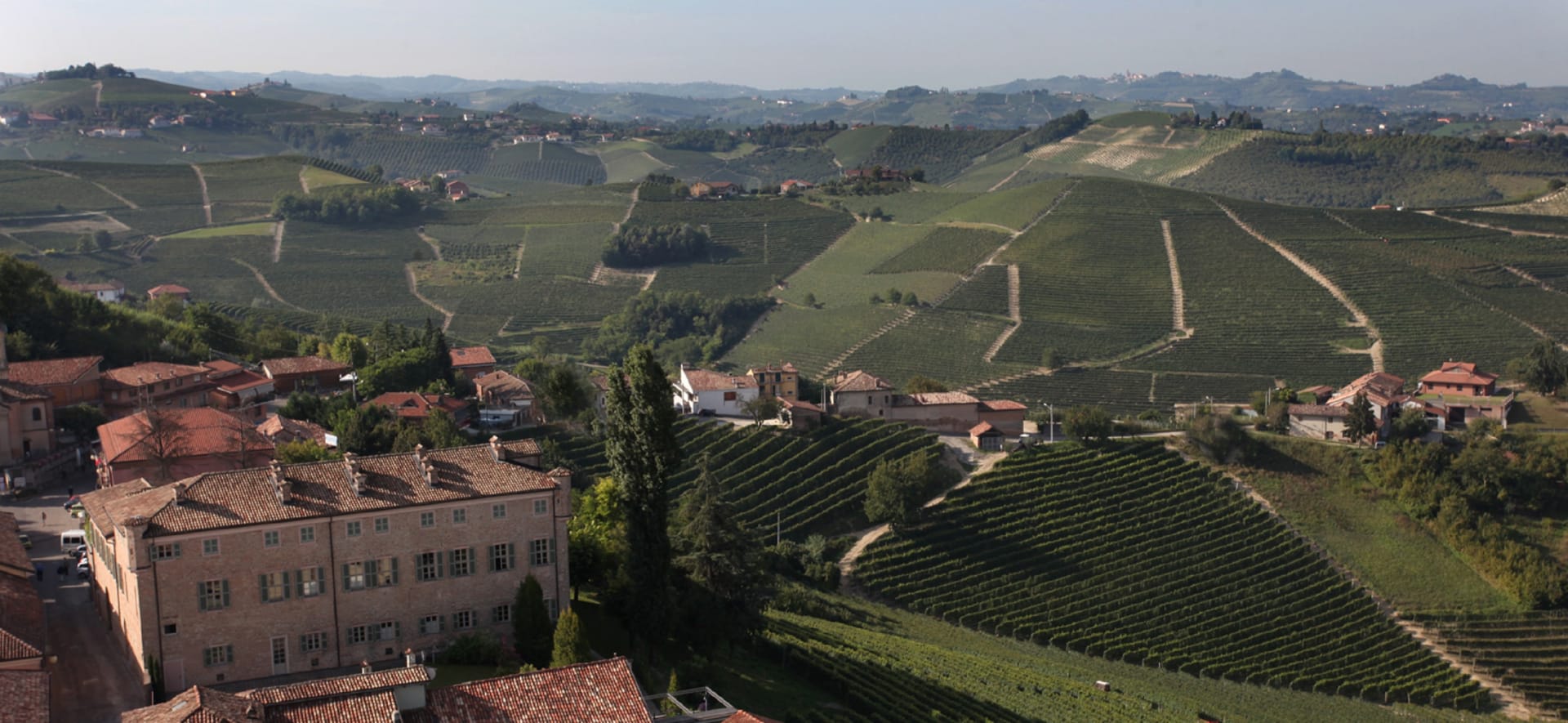


Perched atop a steep hill in the Langhe sits the small village of Barbaresco, home of the GAJA winery. The story of the GAJA Winery can be traced to a singular, founding purpose: to produce original wines with a sense of place which reflect the tradition and culture of those who made it. This philosophy has inspired five generations of impeccable winemaking. It started over 150 years ago when Giovanni Gaja opened a small restaurant in Barbaresco, making wine to complement the food he served. In 1859, he founded the Gaja Winery, producing some of the first wine from Piedmont to be bottled and sold outside the region. Since that time, the winery has been shaped by each generation’s hand, notably that of Clotilde Rey, Angelo Gaja’s grandmother. Her passion for uncompromising quality influenced and informed Angelo Gaja. Through Angelo, these values have become the cornerstone of the GAJA philosophy and are engrained in every aspect of wine production
In 1961, Angelo Gaja began his mission of bringing this great winery to an even higher level. He was the first to use barriques, 225-liter French oak barrels. Under his direction, GAJA pioneered the production of single-vineyard designated wines and was the first to plant Cabernet Sauvignon, Chardonnay and Sauvignon Blanc varietals in Piedmont. He was also instrumental in elevating the native Nebbiolo grape to world-class esteem.
Angelo Gaja is joined by the fifth generation of the GAJA family – his daughters Gaia and Rossana and his son Giovanni. Together they continue to advance the winery’s legacy. To fully realize their vision, all GAJA wines are produced exclusively from grapes grown in estate-owned vineyards, including 250 acres in Piedmont’s Barbaresco and Barolo districts as well as estates in Pieve Santa Restituta (Montalcino) and Ca’Marcanda (Bolgheri). It is from these storied vineyards, and their terroir – the combination of soil, weather and vines that grow upon them, that GAJA wines reveal their true heart and soul.
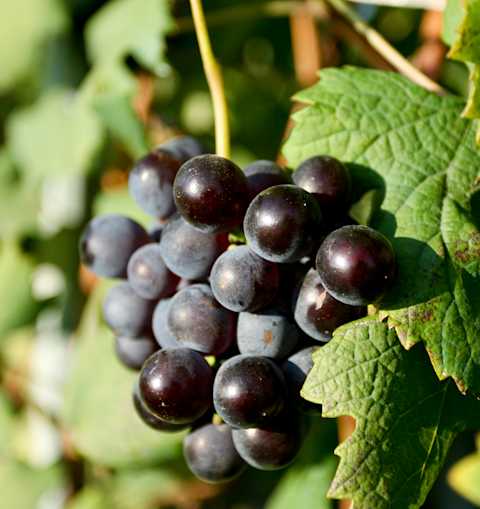
Responsible for some of the most elegant and age-worthy wines in the world, Nebbiolo, named for the ubiquitous autumnal fog (called nebbia in Italian), is the star variety of northern Italy’s Piedmont region. Grown throughout the area, as well as in the neighboring Valle d’Aosta and Valtellina, it reaches its highest potential in the Piedmontese villages of Barolo, Barbaresco and Roero. Outside of Italy, growers are still very much in the experimentation stage but some success has been achieved in parts of California. Somm Secret—If you’re new to Nebbiolo, start with a charming, wallet-friendly, early-drinking Langhe Nebbiolo or Nebbiolo d'Alba.

The center of the production of the world’s most exclusive and age-worthy red wines made from Nebbiolo, the Barolo wine region includes five core townships: La Morra, Monforte d’Alba, Serralunga d’Alba, Castiglione Falletto and the Barolo village itself, as well as a few outlying villages. The landscape of Barolo, characterized by prominent and castle-topped hills, is full of history and romance centered on the Nebbiolo grape. Its wines, with the signature “tar and roses” aromas, have a deceptively light garnet color but full presence on the palate and plenty of tannins and acidity. In a well-made Barolo wine, one can expect to find complexity and good evolution with notes of, for example, strawberry, cherry, plum, leather, truffle, anise, fresh and dried herbs, tobacco and violets.
There are two predominant soil types here, which distinguish Barolo from the lesser surrounding areas. Compact and fertile Tortonian sandy marls define the vineyards farthest west and at higher elevations. Typically the Barolo wines coming from this side, from La Morra and Barolo, can be approachable relatively early on in their evolution and represent the “feminine” side of Barolo, often closer in style to Barbaresco with elegant perfume and fresh fruit.
On the eastern side of the Barolo wine region, Helvetian soils of compressed sandstone and chalks are less fertile, producing wines with intense body, power and structured tannins. This more “masculine” style comes from Monforte d’Alba and Serralunga d’Alba. The township of Castiglione Falletto covers a spine with both soil types.
The best Barolo wines need 10-15 years before they are ready to drink, and can further age for several decades.