


Winemaker Notes
The 2021 Gorgona conveys enveloping maritime sensations, warm sun, a steady blowing fresh breeze and the scent of the sea itself. It has a magnificent straw-yellow color with glimmering golden tinges. It offers a full bouquet, marvelous aromas of Mediterranean shrubs, broom, mastic, and aromatic herbs that combine a hint of white flowers such as hawthorn, chamomile and freesia. Even the fruity hints are marvelously incorporated, such as banana, pineapple and more exotic fruits in general; it is rounded off with extra fresh hints of citrus fruits such as grapefruit and citron. The sapidity it offers on the palate is incredible and it blends well with its freshness and smoothness.
Blend: 70% Vermentino, 30% Ansonica
Professional Ratings
-
James Suckling
Steely, sliced lemon with white peaches and honeysuckle. Full-bodied with electric acidity that runs the length of the wine. Plenty of dry extract. Fantastic is the word. Best Gorgona ever.



Frescobaldi’s story is strictly connected with the history of Tuscany. At the high point of medieval Florence, the Frescobaldis spread their influence as bankers, becoming patrons of major works in Florence, such as Santa Trinita bridge and the Basilica of Santo Spirito.
Frescobaldi embodies the essence of Tuscany, its extraordinary vocation for viticulture and the diversity of its territories.
Frescobaldi’s uniqueness stems precisely from the representation of Toscana diversity, from its estates and from wines which express a kaleidoscope of aromas and sensations, springing from the characteristics of each individual terroir. The Estates are positioned in prime areas of Tuscany and each tells its own story, made up of nature, terroir and people.
From Tenuta Castiglioni, where the family’s 700 years of wine-growing history began, to CastelGiocondo on the Montalcino hills, to the timeless Castello Nipozzano. From the hidden gem of Castello Pomino, up to Tenuta Ammiraglia’s new horizons overlooking the sea, to Tenuta Perano a natural amphitheater in the heart of Chianti Classico, ending with Remole, that expresses all the character of Tuscany.
Behind every Frescobaldi wine lies the passion of agronomists and oenologists, who know their vineyards and terroirs down to the finest detail. Their art, creating quality wines, requires the iron rule of respect. Respect for tradition, which guide them, even in the midst of innovation or avant-garde solutions. Respect fort Tuscany, the living land, to be cultivated in harmony and serenity. Respect for each individual terroir, borne of a unique combination of soil, altitude and microclimate, each giving us a wine with its own matchless personality.
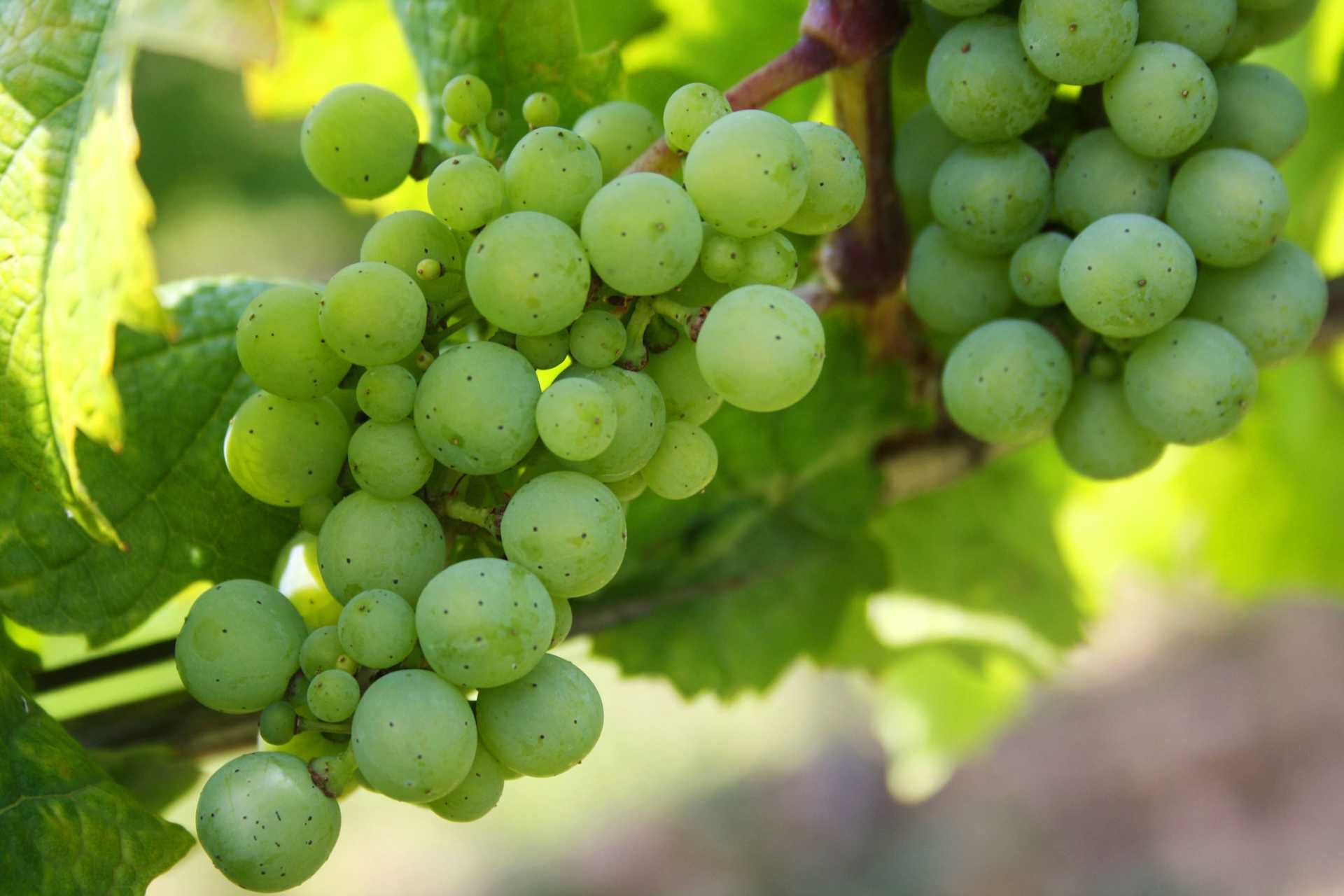
With hundreds of white grape varieties to choose from, winemakers have the freedom to create a virtually endless assortment of blended white wines. In many European regions, strict laws are in place determining the set of varieties that may be used in white wine blends, but in the New World, experimentation is permitted and encouraged. Blending can be utilized to enhance balance or create complexity, lending different layers of flavors and aromas. For example, a variety that creates a soft and full-bodied white wine blend, like Chardonnay, would do well combined with one that is more fragrant and naturally high in acidity. Sometimes small amounts of a particular variety are added to boost color or aromatics. Blending can take place before or after fermentation, with the latter, more popular option giving more control to the winemaker over the final qualities of the wine.

One of the most iconic Italian regions for wine, scenery and history, Tuscany is the world’s most important outpost for the Sangiovese grape. Tuscan wine ranges in style from fruity and simple to complex and age-worthy, Sangiovese makes up a significant percentage of plantings here, with the white Trebbiano Toscano coming in second.
Within Tuscany, many esteemed wines have their own respective sub-zones, including Chianti, Brunello di Montalcino and Vino Nobile di Montepulciano. The climate is Mediterranean and the topography consists mostly of picturesque rolling hills, scattered with vineyards.
Sangiovese at its simplest produces straightforward pizza-friendly Tuscan wines with bright and juicy red fruit, but at its best it shows remarkable complexity and ageability. Top-quality Sangiovese-based wines can be expressive of a range of characteristics such as sour cherry, balsamic, dried herbs, leather, fresh earth, dried flowers, anise and tobacco. Brunello, an exceptionally bold Tuscan wine, expresses well the particularities of vintage variations and is thus popular among collectors. Chianti is associated with tangy and food-friendly dry wines at various price points. A more recent phenomenon as of the 1970s is the “Super Tuscan”—a red wine made from international grape varieties like Cabernet Sauvignon, Merlot, Cabernet Franc and Syrah, with or without Sangiovese. These are common in Tuscany’s coastal regions like Bolgheri, Val di Cornia, Carmignano and the island of Elba.