
Winemaker Notes
Professional Ratings
-
Robert Parker's Wine Advocate
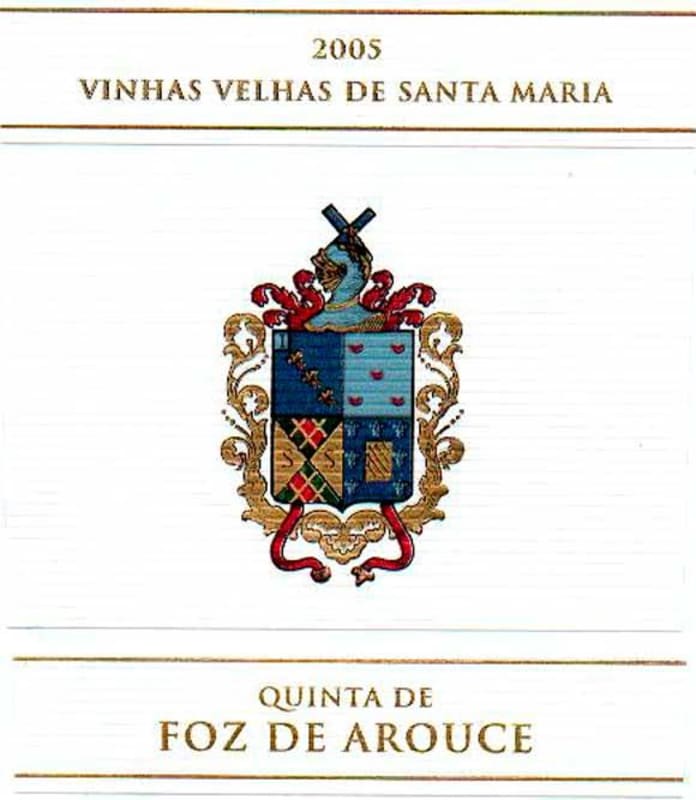
The 2005 Vinhas Velhas de Santa Maria (Quinta de Foz de Arouce), from a vineyard planted in 1940, hasn't been seen in over a decade. Let's check in. It is mostly a Baga with 20% Touriga Nacional. This opens elegantly, but a little sedate and showing some age. It seemed fine for those who like wines with maturity and complexity. I liked it a lot, but it was a wine that was fully ready. Remarkably, with 45 minutes of air, it woke up, got fresher and younger, and showed more power. It seemed vibrant, although harmonious and complex. My first thought was "very nice, ready to drink, and the drinking window should be shortened." Then, in other words, it seemed worthy of my original thought on the end-date drinking window. With additional aeration, it did begin to acquire more tertiary nuances, but it was still in fine shape—and even more interesting.


This dark-skinned, Portugese variety creates powerful red wines with great color, structure and finesse and is specially prominent in the Bairrada and Dão regions. Somm Secret—Because of its ample acidity and striking color, Baga also makes a great rosé; much of it from the Bairrada ends up in this style.

Best known for intense, impressive and age-worthy fortified wines, Portugal relies almost exclusively on its many indigenous grape varieties. Bordering Spain to its north and east, and the Atlantic Ocean on its west and south coasts, this is a land where tradition reigns supreme, due to its relative geographical and, for much of the 20th century, political isolation. A long and narrow but small country, Portugal claims considerable diversity in climate and wine styles, with milder weather in the north and significantly more rainfall near the coast.
While Port (named after its city of Oporto on the Atlantic Coast at the end of the Douro Valley), made Portugal famous, Portugal is also an excellent source of dry red and white Portuguese wines of various styles.
The Douro Valley produces full-bodied and concentrated dry red Portuguese wines made from the same set of grape varieties used for Port, which include Touriga Nacional, Tinta Roriz (Spain’s Tempranillo), Touriga Franca, Tinta Barroca and Tinto Cão, among a long list of others in minor proportions.
Other dry Portuguese wines include the tart, slightly effervescent Vinho Verde white wine, made in the north, and the bright, elegant reds and whites of the Dão as well as the bold, and fruit-driven reds and whites of the southern, Alentejo.
The nation’s other important fortified wine, Madeira, is produced on the eponymous island off the North African coast.