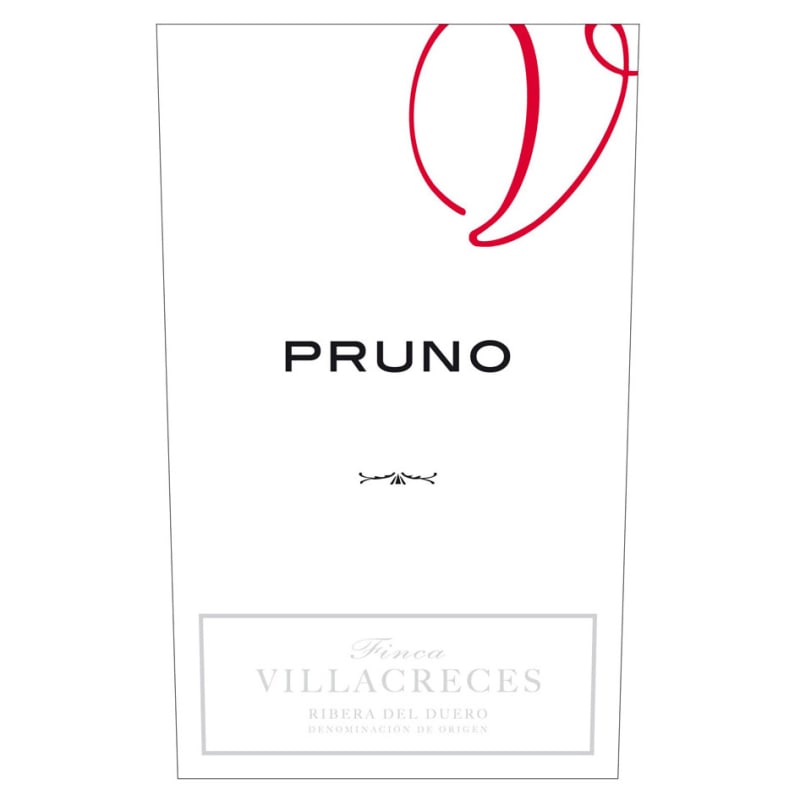

Winemaker Notes
Professional Ratings
-
Decanter
This wine could also be in my 12 greatest Riberas. Delicious, complex, finely sewn, open. Top quality, and at a bargain price.
-
Robert Parker's Wine Advocate
This blend of 90% Tempranillo and 10% Cabernet Sauvignon emerges from a vineyard situated adjacent to one of the famous vineyards utilized to produce Spain’s greatest red wine, Vega Sicilia. Made from relatively old vines, the 2012 Pruno is a sexy, opulent, voluptuously textured effort that spent 12 months in two-year-old French oak barrels. Reminiscent of a baby Vega Sicilia, it possesses a dense ruby/purple color as well as notes of high-class, unsmoked cigar tobacco, creme de cassis, licorice, graphite and spice box. Full-bodied, deep, velvety textured, lush and heady, at $20 a bottle, it is another sensational bargain from Eric Solomon. Enjoy it over the next 5-6 years.


Notoriously food-friendly, long-lasting and Spain’s most widely planted grape, Tempranillo is the star variety of red wines from Rioja and Ribera del Duero. The Rioja terms Joven, Crianza, Reserva and Gran Reserva indicate both barrel and bottle time before release. Traditionally blended in Rioja with Garnacha, plus a bit of Mazuelo (Carignan) and Graciano, the Tempranillo in Ribera del Duero typically stands alone. Somm Secret—Tempranillo claims many different names depending on location. In Penedès, it is called Ull de Llebre and in Valdepeñas, goes by Cencibel. Known as Tinta Roriz in Portugal, Tempranillo plays an important role in Port wine.

Ribera del Duero, Spanish wine region, is located in northen Spain’s Castilla y León region, just a 2-hour drive from Madrid. While winemaking in this area goes back more than 2000 years, it was in the 1980s that 9 wineries applied for and were granted Denominación de Origen (D.O.) status. Today, more than 300 wineries call Ribera del Duero home, including some of Spain’s most iconic names.
Notable Facts Ribera’s main grape variety, Tempranillo, locally know as Tinto Fino, is perfectly suited to the extreme climate of the region, where it must survive scorching summers and frigid winters. Low yields resulting from conscientious tending to old vines planted in Ribera’s diverse soils types, give Ribera wines a distinctive depth and complexity not found in other Tempranillos. Rich and full-bodied, the spice, dark fruit and smoky flavors in a bold Ribera del Duero will pair well with roasted and grilled meats, Mexican food and tomato-based sauces.