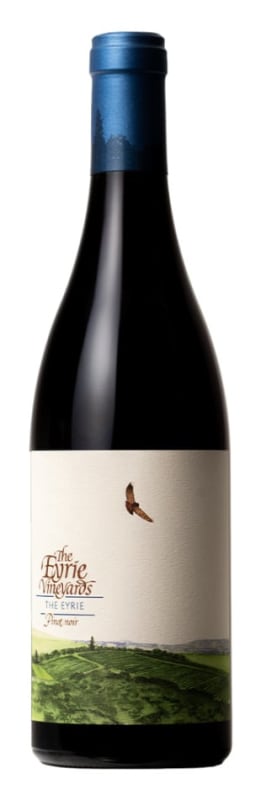


Winemaker Notes
Professional Ratings
-
Jeb Dunnuck
From older vines, the 2023 Pinot Noir The Eyrie pours a bright transparent red hue and is wonderfully layered with primary fruit, potpourri, raspberries, tea leaf, tangerine, and spice box. Medium-bodied, it resonates beautifully across the palate with outstanding complexity, refined tannins, and terrific persistence. They have the most experience aging this wine, so it should have a long aging potential
-
James Suckling
Really wonderful aromas of crushed roses, wild mountain herbs and stones. Medium-bodied with a nice texture, concentration, lots of spices and a mix of orange and red cherries on the palate, along with tense minerality throughout.
-
Vinous
The 2023 Pinot Noir The Eyrie has a beguiling earthy bouquet, as crushed rocks and flowery underbrush give way to rose petals and dried strawberries. This is energetic and brightly focused with tantalizing acidity to offset its soft, rounded textures. Crisp wild berry fruits gain a citrus inflection toward the close. Remarkably pretty, the 2023 finishes long and finessed as sweet tannins mingle with licorice and wild blueberry. There’s an inner beauty here that makes the 2023 impossible to ignore.
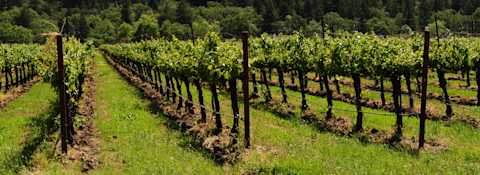
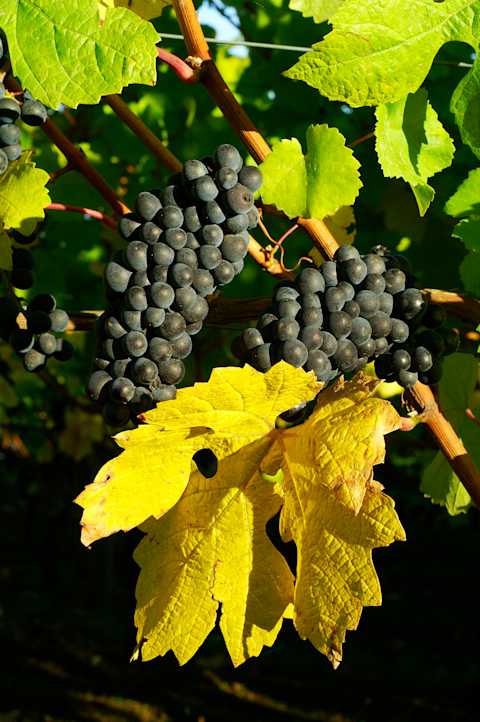
Thin-skinned, finicky and temperamental, Pinot Noir is also one of the most rewarding grapes to grow and remains a labor of love for some of the greatest vignerons in Burgundy. Fairly adaptable but highly reflective of the environment in which it is grown, Pinot Noir prefers a cool climate and requires low yields to achieve high quality. Outside of France, outstanding examples come from in Oregon, California and throughout specific locations in wine-producing world. Somm Secret—André Tchelistcheff, California’s most influential post-Prohibition winemaker decidedly stayed away from the grape, claiming “God made Cabernet. The Devil made Pinot Noir.”
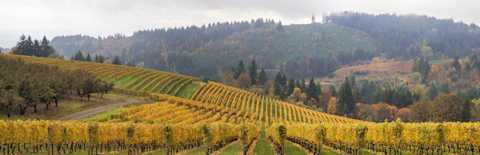
Home of the first Pinot noir vineyard of the Willamette Valley, planted by David Lett of Eyrie Vineyard in 1966, today the Dundee Hills AVA remains the most densely planted AVA in the valley (and state). To its north sits the Chehalem Valley and to its south, runs the Willamette River. Within the region’s 12,500 acres, about 1,700 are planted to vine on predominantly basalt-based, volcanic, Jory soil.