


Winemaker Notes
Medium-layer cherry red color, with floral aromas evoking rosehip, subtle hints of pink pepper, red cherries, and truffles, framed by elegant notes of sweet spices and cedar. On the palate, it highlights a floral entry and a red fruit finish, such as cherries, intertwined with spices. This wine has good acidity, is deep and vertical, with excellent tension and remarkable development on the palate, accompanied by chalky tannins and long persistence.
Blend: 100% Pinot Noir
Professional Ratings
-
Vinous
The 2023 Pinot Noir Las Pizarras comes from Quillota, about 12 kilometers from the cold Pacific waters of the Humboldt Current. The 2023 underwent cold maceration before fermenting with 2% whole clusters, followed by 12 months of aging in 400-liter barrels (55% new). Purple in hue, it offers aromas of blood orange peel, pomegranate, a hint of iodine, and rosehip, with delicate reduction adding complexity. The palate is lined with fine, slightly compact tannins and high acidity, lingering with a soft, powdery texture. This is a beautiful coastal wine, finely calibrated between freshness and texture.
-
James Suckling
This shows good depth and refinement, with racy aromas of ripe strawberries, cranberries and touches of rose hips, minerals and dried flowers. Fruity on the palate, but soon the chalky tannins take over, delivering a wine that’s both generously fruited and chalky in terms of tannins and texture. Long and juicy finish. Picked between February 20 and March 10, according to winemaker Tomas Munoz. Just 5% whole clusters this year. Drink now or hold.
-
Robert Parker's Wine Advocate
The 2023 Las Pizarras Pinot Noir opens with a high-toned, expressive nose of cherry blossoms, dried flowers and cured meats with a touch of smoky reduction. The palate is a pleasing combination of broad, silky and refreshing, lined with lively acidity that carries through the tensile, saline and delineated finish. The precision and focus on display across the board make for a benchmark expression of Chilean Pinot Noir. It fermented with a dollop of whole clusters and was aged in 25% 400-liter barrels, 55% of which were new.
-
Wine Spectator
This elegant and pure version leads with lilac, mulberry and fresh thyme notes that swirl around a brilliant beam of raspberry coulis, adding orange peel and rooibos tea accents. There’s a subtle, saline-mineral edge to the finish around fine tannins, plus a late echo of alpine strawberry. Drink now through 2036.
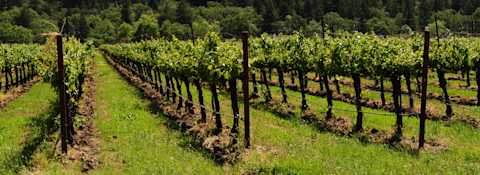
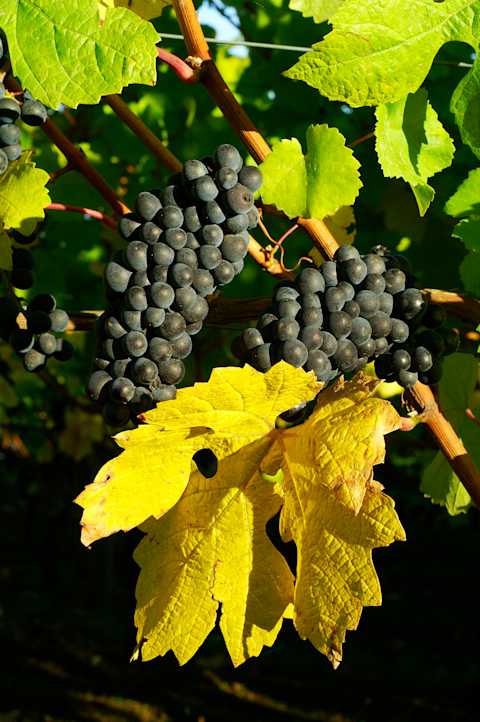
Thin-skinned, finicky and temperamental, Pinot Noir is also one of the most rewarding grapes to grow and remains a labor of love for some of the greatest vignerons in Burgundy. Fairly adaptable but highly reflective of the environment in which it is grown, Pinot Noir prefers a cool climate and requires low yields to achieve high quality. Outside of France, outstanding examples come from in Oregon, California and throughout specific locations in wine-producing world. Somm Secret—André Tchelistcheff, California’s most influential post-Prohibition winemaker decidedly stayed away from the grape, claiming “God made Cabernet. The Devil made Pinot Noir.”

The Aconcagua River runs east from the charming costal town of Valparaiso and bisects the land creating the valley after which it was named. While alluvial soils predominate the Aconcagua Valey along its river throughout, its east-west flow creates drastically different conditions on each of its ends. Its western, seaside vineyards, with clay and stony soils upon gently rolling hills, produce cool-climate varieties such as Sauvignon Blanc, Chardonnay and Pinot Noir. Its inner region is one of Chile’s hottest and produces some of its best red wines. Panquehue in the inner Aconcagua is the site of Chile’s first Syrah vines, planted in 1993.