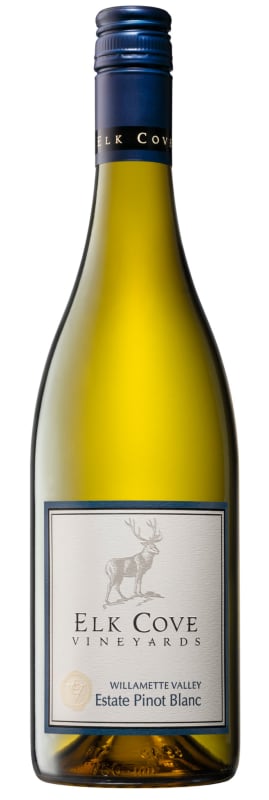


Winemaker Notes
Professional Ratings
-
Decanter
A Pinot Blanc blended across six northern Willamette Valley vineyard sites. Whole cluster pressed, this wine is floral and full of aromatics: green mangoes and ripe golden peaches against a note of sweet clover honey. The palate is medium-bodied, with rich, creamy citrus notes of mandarin and Meyer lemon pulp followed by savoury hints of thyme, green tea and a touch of cardamom.
-
Wine Enthusiast
The slightly sweet aromas of ripe melon and cinnamon are joined by traces of fresh-cut hay and wet slate. A brisk, crisp mouthfeel unites in lively fashion with flavors like honeydew melon, apple pectin, lemon and tonic water. I look forward to pouring this with a softball-sized burrata.
-
Wine Spectator
Fragrant and very pretty, with delicate flavors of lemon blossoms, nectarine and honeydew that sail on the supple finish. Drink now. 2,923 cases made.
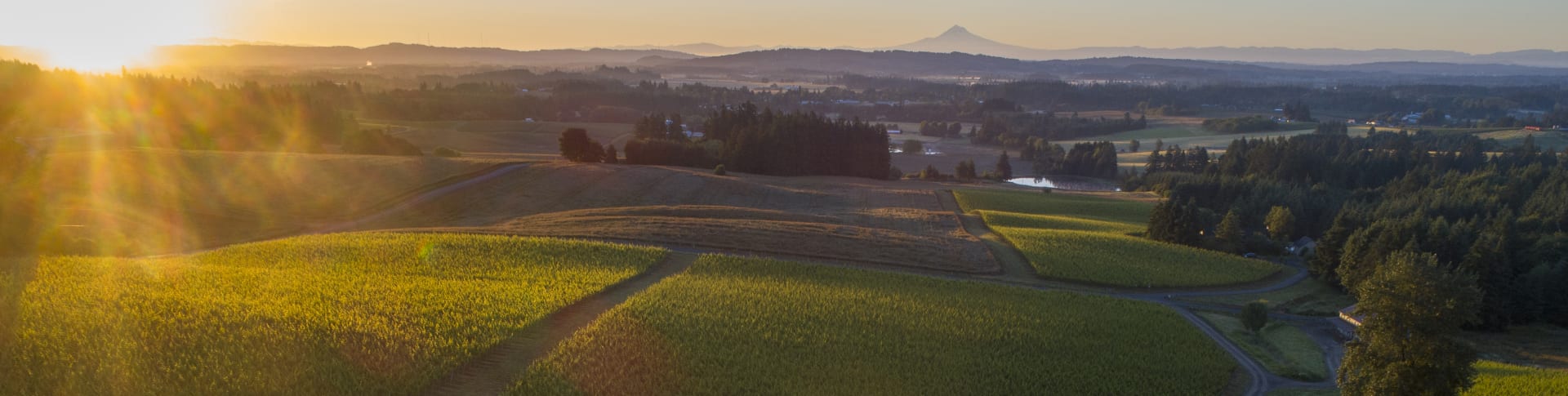


One of the founding wineries of the Willamette Valley, family-owned and operated Elk Cove Vineyards was the first vineyard in what is now the Yamhill-Carlton AVA. Second-generation Owner/Winemaker and fifth-generation Oregon farmer Adam Campbell sources fruit from Elk Cove's six 100% estate-grown, sustainably farmed vineyard sites located across the northern Willamette Valley, specializing in Pinot Noir and cool-climate white wines. Elk Cove is named for the local herd of Roosevelt elk and the protective bowl shape of the property. Its tasting room is tucked into the foothills of the Coast Range, with spectacular views of the surrounding vineyards and mountains.
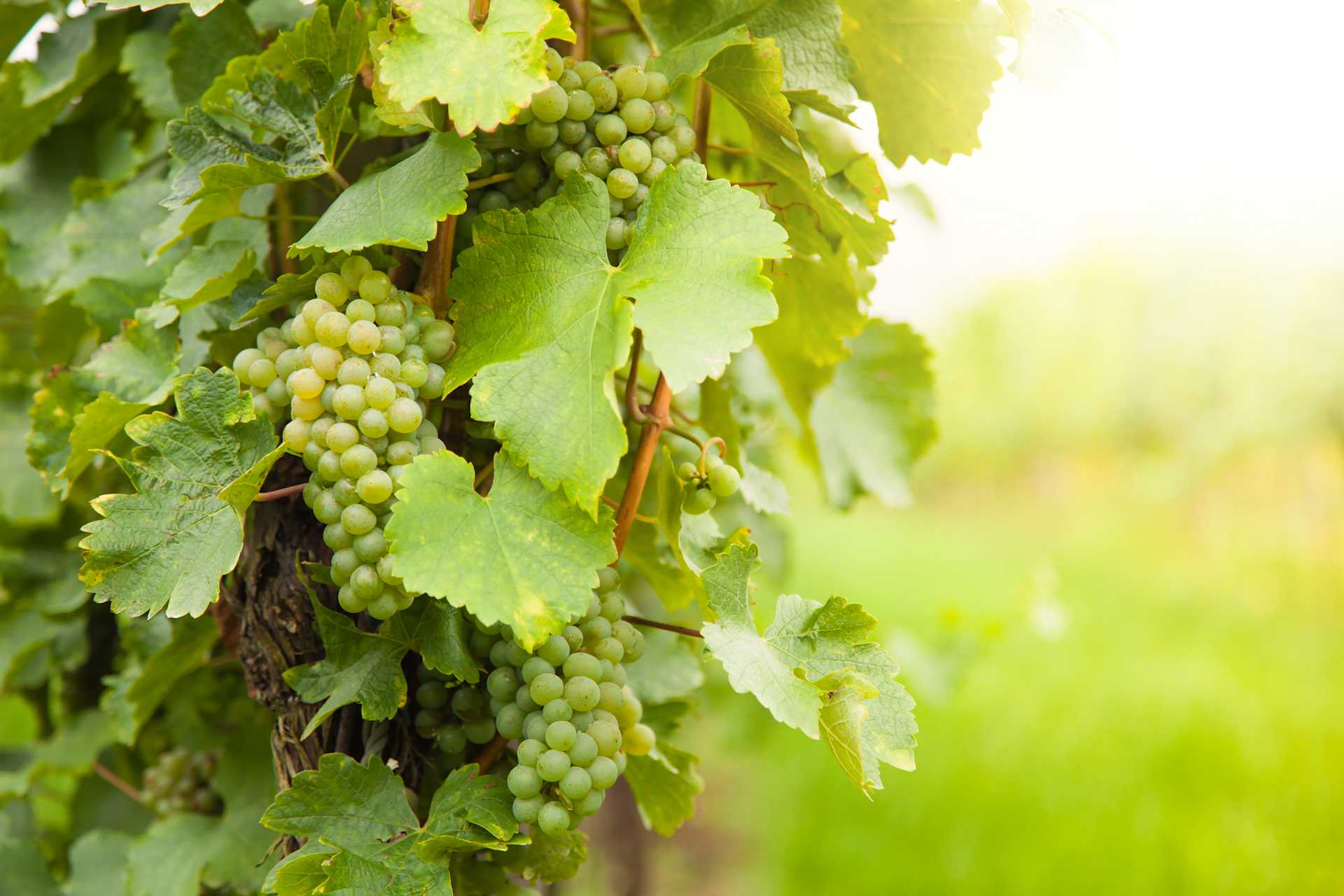
Approachable, aromatic and pleasantly plush on the palate, Pinot Blanc is a white grape variety most associated with the Alsace region of France. Although its heritage is Burgundian, today it is rarely found there and instead thrives throughout central Europe, namely Germany and Austria, where it is known as Weissburgunder and Alto Adige where it is called Pinot Bianco. Interestingly, Pinot Blanc was born out of a mutation of the pink-skinned Pinot Gris. Somm Secret—Chardonnay fans looking to try something new would benefit from giving Pinot Blanc a try.

One of Pinot Noir's most successful New World outposts, the Willamette Valley is the largest and most important AVA in Oregon. With a continental climate moderated by the influence of the Pacific Ocean, it is perfect for cool-climate viticulture and the production of elegant wines.
Mountain ranges bordering three sides of the valley, particularly the Chehalem Mountains, provide the option for higher-elevation vineyard sites.
The valley's three prominent soil types (volcanic, sedimentary and silty, loess) make it unique and create significant differences in wine styles among its vineyards and sub-AVAs. The iron-rich, basalt-based, Jory volcanic soils found commonly in the Dundee Hills are rich in clay and hold water well; the chalky, sedimentary soils of Ribbon Ridge, Yamhill-Carlton and McMinnville encourage complex root systems as vines struggle to search for water and minerals. In the most southern stretch of the Willamette, the Eola-Amity Hills sub-AVA soils are mixed, shallow and well-drained. The Hills' close proximity to the Van Duzer Corridor (which became its own appellation as of 2019) also creates grapes with great concentration and firm acidity, leading to wines that perfectly express both power and grace.
Though Pinot noir enjoys the limelight here, Pinot Gris, Pinot Blanc and Chardonnay also thrive in the Willamette. Increasing curiosity has risen recently in the potential of others like Grüner Veltliner, Chenin Blanc and Gamay.