


Winemaker Notes
The El Coto de Rioja Coto de Imaz Gran Reserva is produced only in years when the color, acidity and tannin levels combine to support the lengthy aging in process required by the Gran Reserva designation.
Blend: 100% Tempranillo
Professional Ratings
-
Wine Enthusiast
Earthy, dusty plum and berry aromas are concentrated, while this mature gran reserva is still vital on the palate due to fine, crisp acidity. Classic Rioja flavors of vanilla and tobacco accent raspberry and dried cherry flavors, while the finish is mild, harmonious and full of oaky vanilla notes. Drink through 2025. Editors' Choice.
-
Wine Spectator
Focused and vibrant, this traditional red delivers bright flavors of dried cherry, tobacco, orange peel and spice. Light tannins and citrusy acidity keep this lively. Though the flavors are maturing, the wine remains fresh. Drink now through 2020.


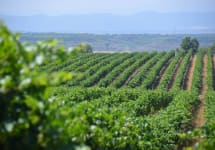
Located in Oyón, one of the historic cities of the D.O.Ca. La Rioja, El Coto de Rioja was founded in 1970. During these decades of history, El Coto has strived to create of one of the most recognized wine brands in Spain and around the world. El Coto is the largest owner of vineyards in the D.O.Ca. Rioja, with four distinct estates (and eight individual properties) sprawling throughout the three sub regions: Rioja Alta, Rioja Baja and Rioja Alavesa. The D.O.Ca., or Denominacion de Origen Calificada, is the regulatory classification system that governs quality within the three sub regions of Rioja. As the largest winegrowers in the Denomination of Origin Rioja, with 730 hectares of owned vineyards, El Coto is committed to quality and consistency in winemaking, producing wines from the different sub regions, while focusing on Rioja Alta and Rioja Alavesa.
El Coto not only takes care of what goes in the bottle, but how it’s handled before and after it gets there. Typical aging rules for Rioja D.O.Ca. dictates that a Crianza must be oak aged for 12 month. El Coto takes it a step further with 12+ months in oak, and an additional six months in bottle before release. This helps ensure the best possible product travels from the winery to your table. The winery has also dedicated resources to the production of white wine, in 2017 building a wine making facility at their Finca Carbonera vineyard for immediate processing of the Viura grapes in the vineyard. At the high end, their extensive cellars of Reserva and Gran Reserva wines are complemented by the single-vineyard Coto Real project that brings a modern interpretation to high-quality wines.
The basis of the labels is an engraving made by the artisan Ricardo Barriobeña that reproduces iconic monuments that are part of the facilities, like the deer that receives visitors at the entrance to the winery or the Monastery of Imaz. The Imaz monastery, owned by the company, is the main theme of the engraving on the label. Similarly to the monks that already cultivated the vineyards in this area in the XVI century, the use of our own vineyards is the basis of Coto de Imaz wines. Each one of the El Coto de Rioja wines reflects a portion of the original engraving. The exception is Coto Real, our most exclusive wine, whose label is a complete reproduction of the original work.
The wines of El Coto de Rioja are expressive, aromatic and perfect for any occasion. El Coto de Rioja, producer of the number one crianza in Spain, is dedicated to crafting the highest quality wines that reflect the rich winemaking traditions of Rioja.

Hailed as the star red variety in Spain’s most celebrated wine region, Tempranillo from Rioja, or simply labeled, “Rioja,” produces elegant wines with complex notes of red and black fruit, crushed rock, leather, toast and tobacco, whose best examples are fully capable of decades of improvement in the cellar.
Rioja wines are typically a blend of fruit from its three sub-regions: Rioja Alta, Rioja Alavesa and Rioja Oriental, although specific sub-region (zonas), village (municipios) and vineyard (viñedo singular) wines can now be labeled. Rioja Alta and Alavesa, at the highest elevations, are considered to be the source of the brightest, most elegant fruit, while grapes from the warmer and drier, Rioja Oriental, produce wines with deep color, great body and richness.