


Winemaker Notes
Most reminiscent of the 2000 RRV bottling, the wine is livelier and more focused than its 2008 predecessor with less overt richness, but greater precision of flavor. Its component parts read like a who's who of celebrated Chardonnay vineyards and you can taste this pedigree throughout the wine.
If you favor fresh fruit intensity then drink within the first two years following release. The wine's natural tendency toward hazelnut and honeyed richness typically asserts itself after three years of bottle maturity. This will be an intriguing wine to follow as it matures.
Professional Ratings
-
Connoisseurs' Guide
Open and appley in its first aromas if a touch more direct than most DuMOL offerings and somewhat less complex as the result, this one is fairly full and a touch soft on the palate in a way that invites relatively early enjoyment. Its impressive richness and quite adequate fruit will make it a candidate for most chicken dishes and for grilled salmon as well.




Respect for the land
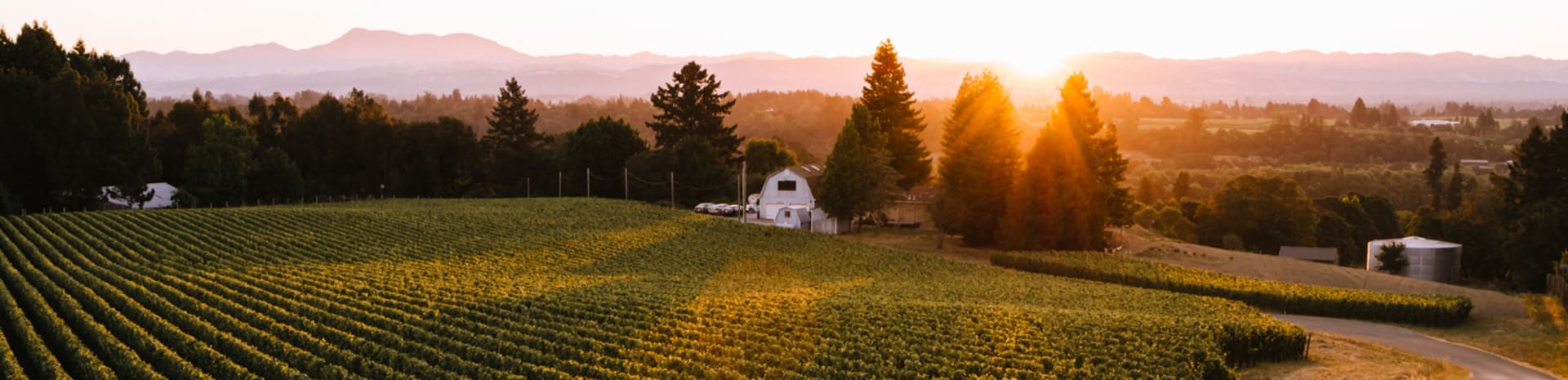
DuMOL is a “vineyard up” winery with a fully integrated approach to winegrowing and winemaking. DuMOL planted its high-density estate vineyards and has farmed many of California’s most renowned vineyards for more than two decades.
Commitment to craft
DuMOL sticks to what works and is focused on the fundamentals, finding inspiration in master, visionary producers around the world as DuMOL continually hones its craft—never imitating, ever refining.
Connected on a personal level
This is a project that comes from who the DuMOL team is and what they love. A deep connection is paramount: to the land, the wines, and the customers.
Heritage and experience
Founded in 1996, DuMOL is a latter-day pioneer in the Russian River Valley. Winemaker, Viticulturist and Partner, Andy Smith, farmed the region for nearly a decade before joining in 1999, and Associate Winemakers Julie Cooper and Jenna Davis, and Cellar Master Jaime Eufracio, have over 40 years combined experience at DuMOL.

One of the most popular and versatile white wine grapes, Chardonnay offers a wide range of flavors and styles depending on where it is grown and how it is made. While it tends to flourish in most environments, Chardonnay from its Burgundian homeland produces some of the most remarkable and longest lived examples. California produces both oaky, buttery styles and leaner, European-inspired wines. Somm Secret—The Burgundian subregion of Chablis, while typically using older oak barrels, produces a bright style similar to the unoaked style. Anyone who doesn't like oaky Chardonnay would likely enjoy Chablis.

A standout region for its decidedly Californian take on Burgundian varieties, the Russian River Valley is named for the eponymous river that flows through it. While there are warm pockets of the AVA, it is mostly a cool-climate growing region thanks to breezes and fog from the nearby Pacific Ocean.
Chardonnay and Pinot Noir reign supreme in Russian River, with the best examples demonstrating a unique combination of richness and restraint. The cool weather makes Russian River an ideal AVA for sparkling wine production, utilizing the aforementioned varieties. Zinfandel also performs exceptionally well here. Within the Russian River Valley lie the smaller appellations of Chalk Hill and Green Valley. The former, farther from the ocean, is relatively warm, with a focus on red and white Bordeaux varieties. The latter is the coolest, foggiest parcel of the Russian River Valley and is responsible for outstanding Pinot Noir and Chardonnay.