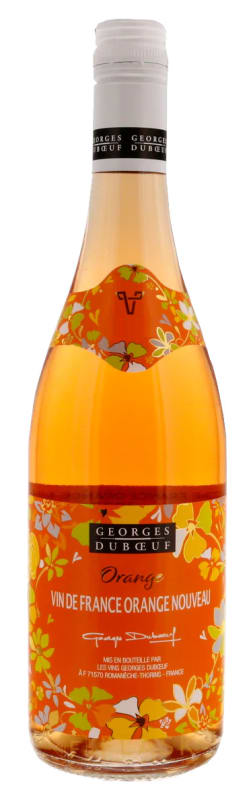


Winemaker Notes

What is orange wine?
“Orange wine” is the most common term in modern American culture used to describe a white wine that is made like a red wine. In other words, it is a white wine made from white grapes that ferment while in contact with their skins (rather than being pressed). You’ll also see the terms, “skin-contact wine,” or in Italian, ramato (copper-colored) to describe this style.
How is orange wine made?
In modern winemaking, to make fresh white wine, pale-skinned grapes need to be pressed immediately after harvest so that the juice can ferment free from the skins and seeds. In ancient winemaking they didn’t have presses or other fancy winery equipment so made use of the tools at hand—mainly just vats for fermenting. This skin-contact style dates back to the 6th millennium BC in what is modern day Georgia (the country). At that time, they fermented ripe white grapes together with their skins, seeds and stems in a clay amphora, called a qvevri, which were sealed and buried in underground vessels for 5-6 months.
Where does orange wine come from?
Today’s modern skin-contact winemakers pay homage to this non-interventionist style of white winemaking. Though some people dismiss it as a fad, this age-old style has been resurfacing on the global scene over the last twenty or so years. Multiple countries make it—Georgia (of course), Slovenia, Italy, the U.S. and Australia to name a few. Each country produces this style in a different way with time on skins ranging anywhere from a half a day to multiple weeks. This creates a range of results in the finished wine. The color of these wines can be golden yellow to vibrant popsicle orange.
Tasting notes for orange wine
The time on skins also adds tannins and phenols to the finished wine and skin-contact wines normally show off a bright acidity. Typical flavors and aromas include bruised apple, peach, orange rind, lemongrass, lemon balm, chamomile, juniper, ginger, exotic spice, honey, beeswax and hazelnut.
Perfect food pairings for orange wine
Because of their complexity in aromas and flavors, structure and good acidity, skin-contact wines pair with a wide variety of foods. Common pairings include cream sauces, curries, spicy foods, roasted poultry and any seafood including shellfish.

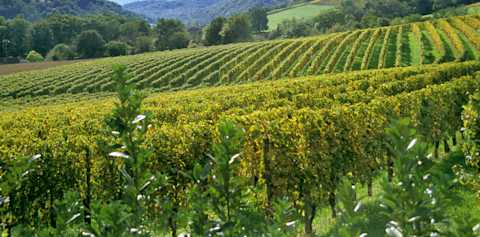
A sunny land braced by the influence of the Mediterranean Sea, the South of France extends from the French Riviera in the East to the rugged and mountainous Spanish border in the West. This expansive and stunning region remains the source of France's finest rosé and fortified wines, while the red and white wines continue to gain respect.
Provence, located farthest east, is revered for dry, elegant and quenching rosé wines, which make up the vast majority of the region’s production. These are typically blends of Mourvèdre, Grenache, Cinsault, Tibouren and other varieties.
Moving west from the Rhône Valley, spanning the Mediterranean coast to the Pyrenees mountains of Roussillon, Languedoc’s terrain is generally flat coastal plains. Virtually every style of wine is made in Languedoc; most dry wines are blends with varietal choice strongly influenced by the neighboring Rhône Valley.
Bordered by the rugged eastern edge of the Pyrenees Mountains and intense sunshine, Roussillon is largely defined by Spanish influence. The arid, exposed, steep and uneven valleys of the Pyrénées-Orientales zone guarantee that grape yields are low and berries are small and concentrated. While historically recognized for the vins doux naturels of Rivesaltes, Banyuls and Maury, the region’s dry reds are beginning to achieve the notoriety the deserve.
A catchall term for the area surrounding the Languedoc and Roussillon, Pays d’Oc is the most important IGP (Indication Géographique Protégée) in France, producing nearly all of France’s wine under the IGP designation.