

Winemaker Notes
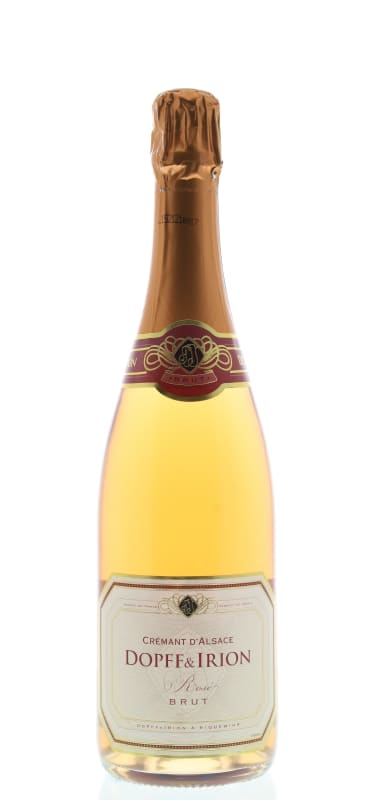
Pink with tinges of orange. The bouquet is full of red berry fruit. Mouth: Lively, round, and elegant on the palate. It is a harmonious wine with pleasant, long-lasting aromas.
Crémant Brut Rosé makes refined aperitif or cocktail wine and is ideal for receptions. Its freshness and finesse make it a wine to be drunk throughout a meal, even with dessert.
Professional Ratings
-
The Somm Journal
This 100% Pinot Noir reflects the sure footing of its estate, established in 1945 by two families with centuries-old roots in Riquewihr. While its salmon hue, steady perlage, and vibrant notes of strawberry dotted with herbs are comme il faut, touches of nectarine and citrus also emerge on the slightly creamy palate.
-
Wine Enthusiast
A radiant copper-pink shade in the glass, this wine is all Honey crisp apple on the nose. Luscious mousse and apple freshness take over on the palate, with a bit of texture to bring it all back down to earth and add some gravitas.


What are the different types of sparkling rosé wine?
Rosé sparkling wines like Champagne, Prosecco, Cava, and others make a fun and festive alternative to regular bubbles—but don’t snub these as not as important as their clear counterparts. Rosé Champagnes (i.e., those coming from the Champagne region of France) are made in the same basic way as regular Champagne, from the same grapes and the same region. Most other regions where sparkling wine is produced, and where red grape varieties also grow, also make a rosé version.
How is sparkling rosé wine made?
There are two main methods to make rosé sparkling wine. Typically, either white wine is blended with red wine to make a rosé base wine, or only red grapes are used but spend a short period of time on their skins (maceration) to make rosé colored juice before pressing and fermentation. In either case the base wine goes through a second fermentation (the one that makes the bubbles) through any of the various sparkling wine making methods.
What gives rosé Champagne and sparkling wine their color and bubbles?
The bubbles in sparkling wine are formed when the base wine undergoes a secondary fermentation, which traps carbon dioxide inside the bottle or fermentation vessel. During this stage, the yeast cells can absorb some of the wine’s color but for the most part, the pink hue remains.
How do you serve rosé sparkling wine?
Treat rosé sparkling wine as you would treat any Champagne, Prosecco, Cava, and other sparkling wine of comparable quality. For storing in any long-term sense, these should be kept at cellar temperature, about 55F. For serving, cool to about 40F to 50F. As for drinking, the best glasses have a stem and a flute or tulip shape to allow the bead (bubbles) and beautiful rosé hue to show.
How long do rosé Champagne and sparkling wine last?
Most rosé versions of Prosecco, Champagne, Cava or others around the “$20 and under” price point are intended for early consumption. Those made using the traditional method with extended cellar time before release (e.g., Champagne or Crémant) can typically improve with age. If you are unsure, definitely consult our Customer Care team for guidance.

Small but mighty, this picturesque region in northeastern France is renowned for its white wines produced by passionate families whose winemaking roots span generations and even centuries. Nestled between the Vosges Mountains and the Rhine River, Alsace benefits from a sunny, dry climate and a long growing season. It is one of the most geologically diverse regions in the world — one of the many reasons why Alsace rocks!
Alsace wines include dry, mineral-driven Riesling, earthy Pinot Gris, refreshing Pinot Blanc, exuberant Gewurztraminer, elegant Pinot Noir, and more. From traditional-method sparkling wines to easy-drinking AOC Alsace, to complex Grand Cru bottlings from 51 distinct sites, and rich, late harvest wines, Alsace produces a wine for every occasion. Most Alsace wines are single-varietal bottlings and are labeled with the grape name. The region is also one of the greenest wine-producing areas in France, with 36% of its vineyard area certified organic.
Riesling, the region’s calling card, is dry, fresh and floral in its youth, developing complex mineral and flint character with age. Gewurztraminer is known for its signature spice and lychee aromatics. Pinot Gris is prized for its combination of crisp acidity and savory spice as well as ripe stone fruit flavors. Pinot Blanc is an affable food partner or porch sipper. Pinot Noir, the only red grape in AOC Alsace, is now authorized in three Grand Cru areas and is also used for Crémant d’Alsace sparkling rosé. Any bottle you choose will offer deliciousness, pleasure and value that is unprecedented in other wine regions.