


Winemaker Notes
1947 is a key date in the world of wine. This does not refer to a vintage but to the year the vines were planted. The oldest plot of the winery is also the cuvée of its spearhead. It is the most consistent one of the cellar. To put it simply, the wine is always good. Its color is vibrant, just like its nose: complex notes of black cherry, blackcurrant with a hint of pepper. Ample on the palate, with strong retro-olfaction. A strong Chambolle.
Professional Ratings
-
Decanter
Planted in 1946, this impressive premier cru comes from a 0.7ha parcel on the Morey-St-Denis side of the village. The wood is a little marked at present, but there's plenty of underlying texture and concentration here, with smooth tannins, sweet raspberry and stem ginger flavours, and supporting acidity.
-
Robert Parker's Wine Advocate
Produced from a plot planted in 1947 that's the source for the domaine's sélection massale, the superb 2017 Chambolle-Musigny 1er Cru Les Sentiers Vieilles Vignes wafts from the glass with notes of cherries, raspberries, candied peel, dried flowers, rose petal and dark chocolate. On the palate, the wine is medium to full-bodied, deep and velvety, with rich structuring tannins, excellent concentration and succulent acids. As usual, it's the domaine's finest wine.
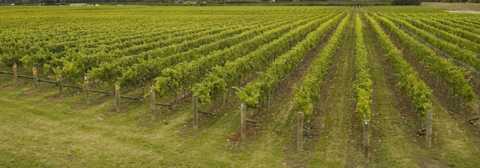
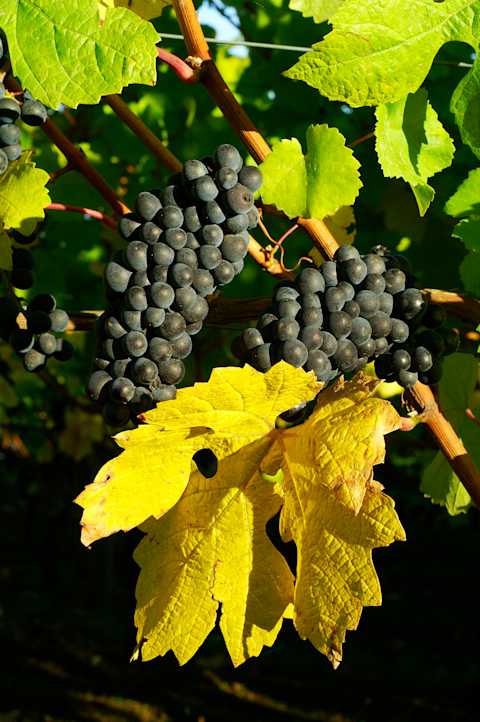
Thin-skinned, finicky and temperamental, Pinot Noir is also one of the most rewarding grapes to grow and remains a labor of love for some of the greatest vignerons in Burgundy. Fairly adaptable but highly reflective of the environment in which it is grown, Pinot Noir prefers a cool climate and requires low yields to achieve high quality. Outside of France, outstanding examples come from in Oregon, California and throughout specific locations in wine-producing world. Somm Secret—André Tchelistcheff, California’s most influential post-Prohibition winemaker decidedly stayed away from the grape, claiming “God made Cabernet. The Devil made Pinot Noir.”

Chambolle-Musigny represents the charm of the Côte de Nuits district of Burgundy. But you’ll find that term mainly in reference to the vineyards in its southern stretches, which border Clos Vougeot: the Grand Cru of Le Musingy and in part, its neighboring and most exceptional Premier Cru, Les Amoureuses. Some producers argue for the primacy of Les Amoureuses and its eligibility for Grand Cru status given its wines can sometimes surpass other Grands Crus.
Le Musigny ranks on par with the most acclaimed Grands Crus for Pinot Noir: Romanée-Conti, La Tâche, Richebourg, Chambertin, and Chambertin-Clos de Bèze. It is also the only Grand Cru in Côte de Nuits for Chardonnay. All of the others are in Côte de Beaune.
This village can in fact claim only two Grands Crus vineyards and—in the context of breaking down the minutiae—they are markedly different. Bonnes-Mares, the other one at the far northern end above the village, bordering Morey-St-Denis, offers power, strength and great aging potential. But Chambolle-Musigny includes a nice handful of exceptional Premiers Crus, as noted above with Les Amoureuses as the finest. Le Fuees and Les Cras are other noteworthy Premiers Crus.
Overall, a top Chambolle-Musigny offers pure aromas of violets, dark cherry and damp earth, coupled with a velvety elegance, supple mid-palate, an abundance of black and red berry, and finesse and power through a long and fine-grained finish.