


Winemaker Notes
Golden, crystalline in appearance with light reflections. On the nose, acacia flowers and chard apples. Freshness on the palate, with beautiful balance combining sweetness and finesse.
Professional Ratings
-
Robert Parker's Wine Advocate
A sweet wine produced from hail-damaged grapes grown in Châteauneuf-du-Pape (a blend of Clairette, Grenache Blanc, Bourboulenc and Roussanne), the 2022 Vin de France Vin Blanc Doux boasts striking aromas of green apple and guava. It's medium to full-bodied and silky in feel yet finishes tart and refreshing. Bottled in 500-milliliter bottles (900 of them), the final stats are 11.7% alcohol and 95 grams per liter of residual sugar.


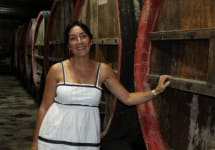
Ancestors of father and daughter team Paul and Laurence Féraud farmed olives, cherries and grapes in Chateauneuf-du-Pape dating back to the 17th century. The methods established centuries ago carry on in the current vintages, creating robust, concentrated, traditional red and white wines. For many years the winery was known as Domaine Feraud fils and they made traditional Chateauneuf-du-Pape.
In 1987 Domaine du Pegau was formed as we know it today, when Laurence Feraud returned from her winemaking studies and she teamed up with her father Paul to create the winery. Complementing each other they have conserved the authenticity and quality of their Chateauneuf-du-Pape whilst bringing it to the attention of wine lovers around the world.

Full-bodied and flavorful, white Rhône blends originate from France’s Rhône Valley. Today these blends are also becoming popular in other regions. Typically some combination of Grenache Blanc, Marsanne, Roussanne and Viognier form the basis of a white Rhône blend with varying degrees of flexibility depending on the exact appellation. Somm Secret—In the Northern Rhône, blends of Marsanne and Roussanne are common but the south retains more variety. Marsanne, Roussanne as well as Bourboulenc, Clairette, Picpoul and Ugni Blanc are typical.

A small category representing the wines that either fall outside of appellation lines or don’t subscribe to the law and traditions set forth by the French government within certain classified appellations, “Vin De France” is a catch-all that includes some of the most basic French wines as well as those of superior quality. The category includes large production, value-driven wines. It also includes some that were made with a great deal of creativity, diligence and talent by those who desire to make wine outside of governmental restrictions. These used to be called Vin de Table (table wine) but were renamed to compete with other European countries' wines of similar quality.