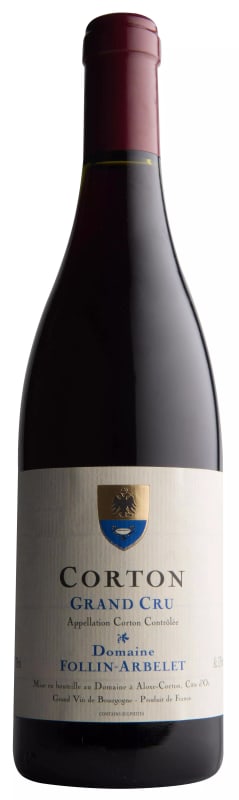


Winemaker Notes
Professional Ratings
-
James Suckling
From the heart of Corton. Densely packed dark fruit with a spice-driven lift and flor-edged aromas. The palate is lush and textural, with a seamlessly integrated mouthfeel and silky tannins. There is so much quality and no hard edges, so it can be drunk immediately or aged for decades to come. Drink or hold.
-
Jasper Morris
Their Corton is never the highest in alcohol, so below 14% this year. Dark crimson in colour with sunshine on the cherry fruit. Much more energy on the palate, a good natural acidity, and fine persistence. Not a flamboyant style of Corton, but good. Barrel Sample: 91-93


Thin-skinned, finicky and temperamental, Pinot Noir is also one of the most rewarding grapes to grow and remains a labor of love for some of the greatest vignerons in Burgundy. Fairly adaptable but highly reflective of the environment in which it is grown, Pinot Noir prefers a cool climate and requires low yields to achieve high quality. Outside of France, outstanding examples come from in Oregon, California and throughout specific locations in wine-producing world. Somm Secret—André Tchelistcheff, California’s most influential post-Prohibition winemaker decidedly stayed away from the grape, claiming “God made Cabernet. The Devil made Pinot Noir.”

Prevailing over the charming village of Aloxe, the hill of Corton actually commands the entire appellation. Corton is the only Grand Cru for Pinot Noir in the entire Côte de Beaune. Its Grand Crus red wines can be described simply as “Corton” or Corton hyphenated with other names. These vineyards cover the southeast face of the hill of Corton where soils are rich in red chalk, clay and marl.
Dense and austere when young, the best Corton Pinot Noir will peak in complexity and flavor after about a decade, offering some of the best rewards in cellaring among Côte de Beaune reds. Pommard and Volnay offer similar potential.
The great whites of the village are made within Corton-Charlemagne, a cooler, narrow band of vineyards at the top of the hill that descends west towards the village of Pernand-Vergelesses. Here the thin and white stony soils produce Chardonnay of exceptional character, power and finesse. A minimum of five years in bottle is suggested but some can be amazing long after. Fully half of Aloxe-Corton is considered Grand Cru.